A Walk That Changed Fastening#
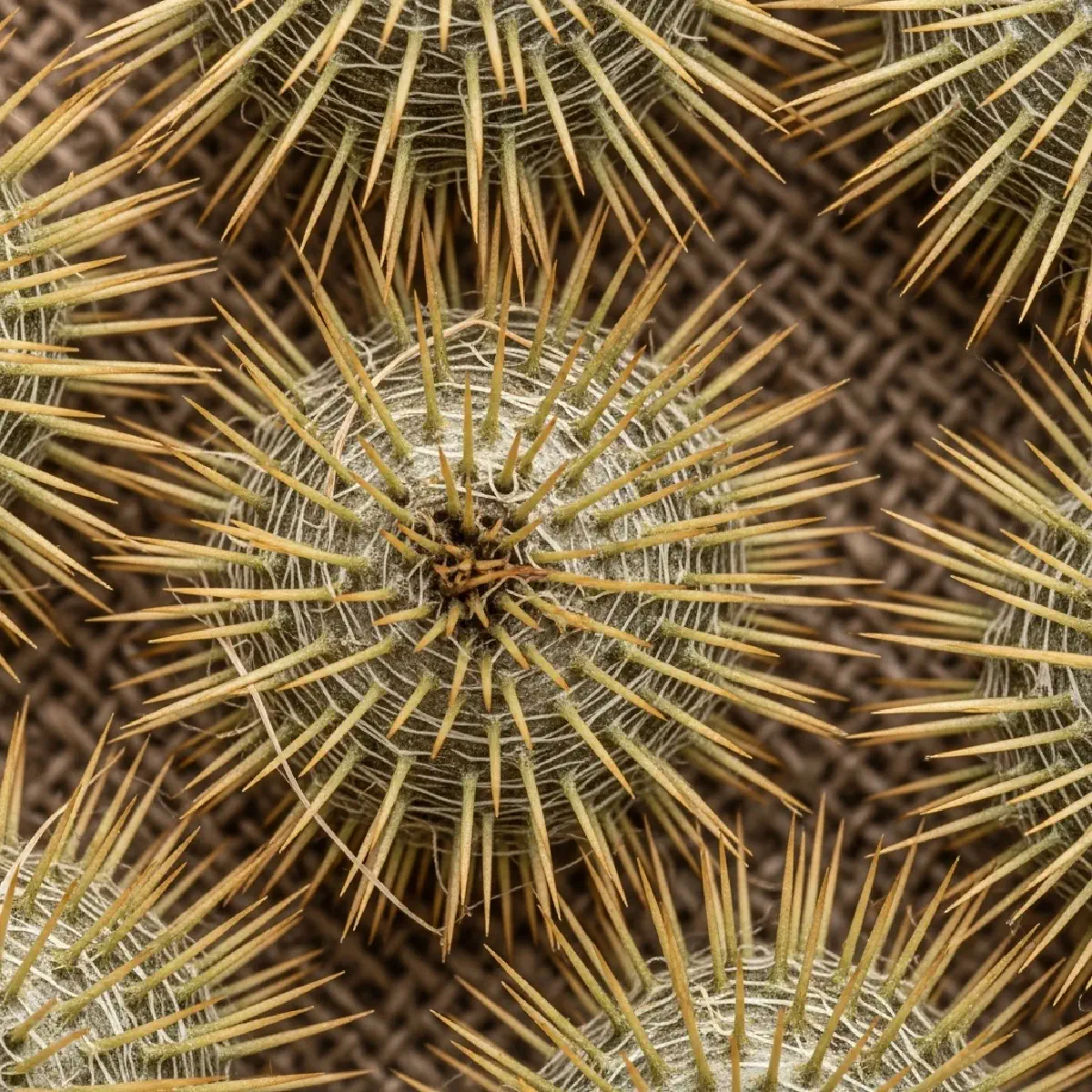
In 1941, Swiss engineer George de Mestral returned from hunting. Burrs clung stubbornly to his dog’s fur and his trousers. Under a microscope, he saw tiny hooks catching loops.
Eight years later, after refining nylon versions, he patented Velcro. Annual sales reached $100 million by the 1970s. NASA adopted it for space suits.
The invention succeeded not through isolated genius. It borrowed a proven natural mechanism.
Nature as Structural Blueprint#
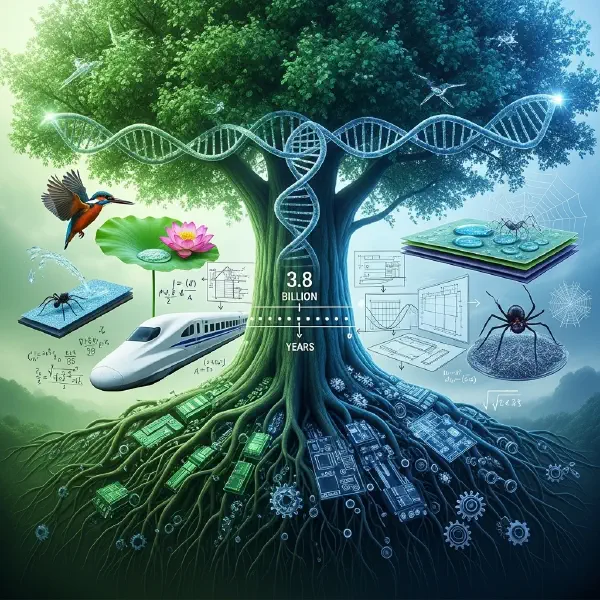
Biomimicry transfers evolved solutions to human designs. Biological systems optimize under resource constraints over millions of years. They achieve efficiency without waste.
Hooks and loops in burrs enable seed dispersal. The mechanism requires no energy input. It self-attaches under contact.
Human adoption depends on material translation. Nylon enabled mass production.
Principles of Biological Adaptation#
Nature’s designs emerge from environmental pressures. Structures minimize energy while maximizing function. Shark skin reduces drag through dermal denticles.
Termite mounds maintain stable temperatures via passive ventilation. Eastgate Centre in Zimbabwe copied this, cutting energy use by 90%.
These principles integrate biology and engineering. Outcomes prioritize resilience over speed.
Market and Institutional Filters#
Adoption faces structural hurdles. Velcro required textile industry alignment. Patents protected diffusion.
Competing fasteners like zippers held market share. Velcro penetrated niches: medical, aerospace, apparel.
Economic data show biomimetic products grow 15% annually. Yet they represent under 5% of innovations.
Ripple Effects Across Industries#
Consequences include reduced material use. Geckel adhesive, inspired by gecko feet, enables reversible bonding without residue.
Lotus-effect coatings repel water, cutting cleaning chemicals by millions of tons yearly.
Case studies reveal pattern: successful transfer aligns with existing manufacturing.
Echoes from Nature#
Biomimicry demonstrates borrowing as systemic strategy. Nature provides pre-tested structures.
Success hinges on translation fidelity and ecosystem fit.
This approach contrasts human path dependency. It imports external solutions to bypass lock-in.
Future designs may increasingly draw from biological archives.