Innovation Ecosystems: Design, History, and Biomimicry
Key Insights#
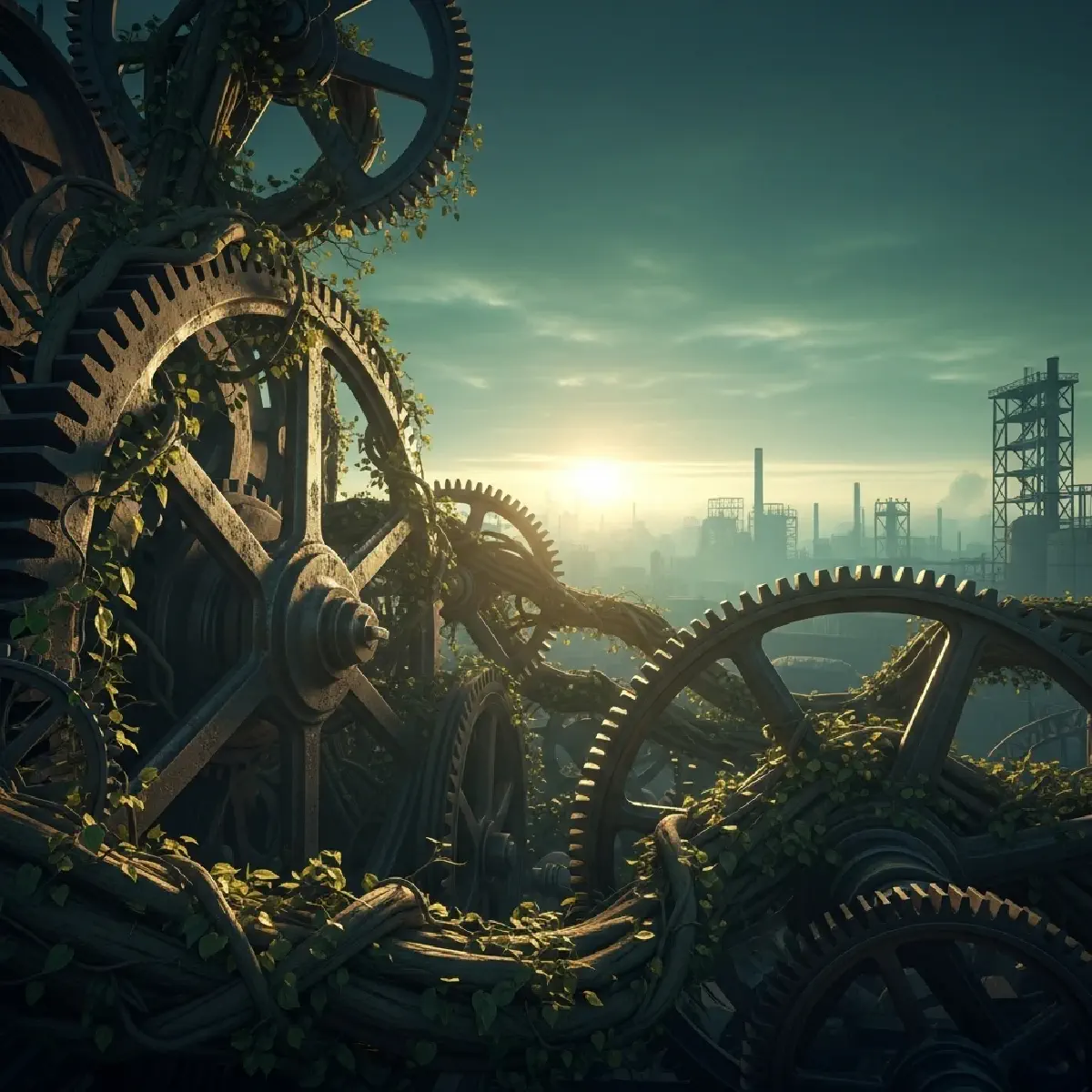
Technological evolution is heavily constrained by path dependency and structural lock-in, where early adoption creates reinforcing networks that make superior alternatives difficult to adopt, as exemplified by QWERTY keyboards and VHS format dominance.
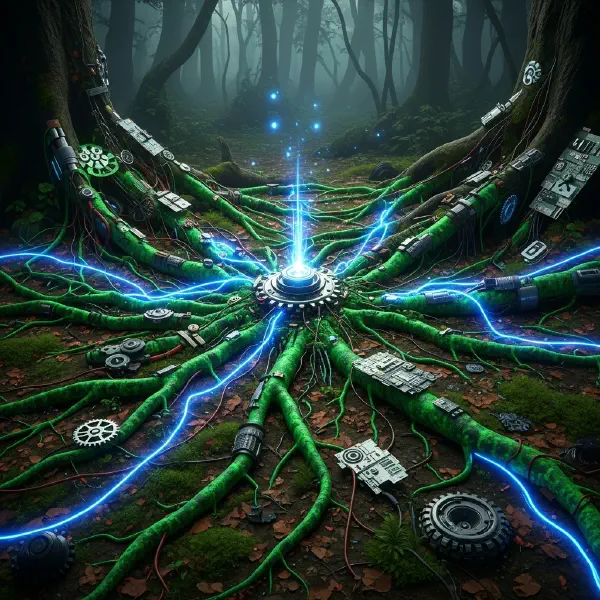
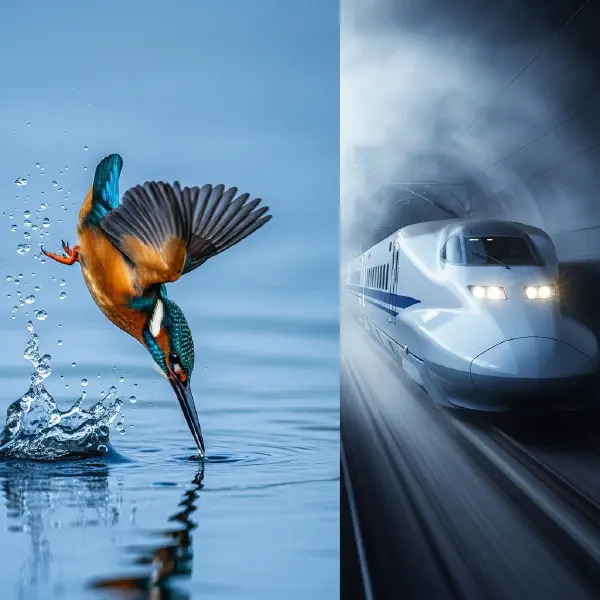
Biomimicry offers a powerful alternative to human-designed innovation by borrowing proven biological mechanisms that have evolved under resource constraints, enabling solutions like Velcro from burrs and aerodynamic train designs from kingfisher beaks.
Successful innovation requires ecosystem alignment rather than isolated invention, with networks of users, regulations, and complementary assets determining whether breakthroughs achieve widespread adoption.
Breaking path dependency requires deliberate systemic interventions including modular standards, open-source models, and regulatory foresight to prevent early lock-in and enable more resilient, nature-inspired innovation.
The future of innovation lies in biomimetic approaches that prioritize ecosystem resilience over isolated efficiency, with biomimetic products already growing 15% annually and projected to reach 20% market share by 2040.
References#
David, P. A. (1985). Clio and the economics of QWERTY. American Economic Review, 75(2), 332–337.
Arthur, W. B. (1989). Competing technologies, increasing returns, and lock-in by historical events. The Economic Journal, 99(394), 116–131.
Benyus, J. M. (1997). Biomimicry: Innovation inspired by nature. William Morrow.
Kennedy, E. B., & Marting, T. A. (2021). Biomimicry: Streamlining innovation in engineering. Nature Reviews Materials, 6(8), 677–679.
Liebowitz, S. J., & Margolis, S. E. (1995). Path dependence, lock-in, and history. Journal of Law, Economics, and Organization, 11(1), 205–226.
Hargadon, A. (2003). How breakthroughs happen: The surprising truth about how companies innovate. Harvard Business Review Press.
Vincent, J. F. V., et al. (2006). Biomimicry: Its practice and theory. Philosophical Transactions of the Royal Society B, 361(1473), 1551–1561.
Japan Railway Technical Research Institute. (1990s). Shinkansen aerodynamic improvements report (internal documents referenced in secondary sources).
Forbes, P., & Griffiths, G. (2003). The kingfisher’s beak: Inspiration for the bullet train. Biologist, 50(4), 165–169.
International Energy Agency. (2022). Energy efficiency gains from biomimetic designs in transport. IEA Publications.