Cross, N. (2008). Engineering Design Methods: Strategies for Product Design. Wiley.
Ulrich, K. T., & Eppinger, S. D. (2015). Product Design and Development. McGraw-Hill Education.
Brown, T. (2009). Change by Design: How Design Thinking Creates New Alternatives for Business and Society. HarperBusiness.
Kelley, T., & Littman, J. (2005). The Ten Faces of Innovation: IDEO's Strategies for Defeating the Devil's Advocate and Driving Creativity Throughout Your Organization. Currency/Doubleday.
Pugh, S. (1991). Total Design: Integrated Methods for Successful Product Engineering. Addison-Wesley.
The difference between a brilliant idea and a catastrophic failure often lies in institutional capacity: effective project management, rigorous communication protocols, and adherence to a professional code of ethics dedicated to the public good.
The detail design phase is where creative concepts face the harsh realities of manufacturing costs, material science, and safety regulations. It requires sophisticated digital tools to ensure the product is not only desirable, but truly resilient and viable.
The core challenge of product design is converting ambiguous customer desires into concrete, measurable engineering specifications. This post details the systematic tools—from project planning to Quality Function Deployment—that transform wishes into realizable blueprints.
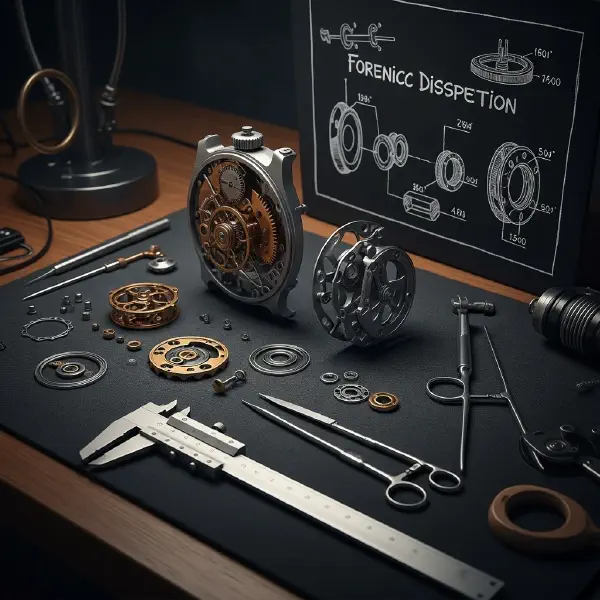
Not all problems are solved equally. This post explores the fundamental difference between fixed analysis and open design, detailing the systematic strategies engineers use—from rigorous testing (robust design) to forensic disassembly (reverse engineering)—to master complexity.
Engineering design is often seen as purely technical, yet it is a human-centered decision-making process. The structure of this process determines whether resources are converted optimally, or wasted on predictable failure.
Engineering design is often seen as purely technical, yet it is a human-centered decision-making process. The structure of this process determines whether resources are converted optimally, or wasted on predictable failure.