The Digital Twin: Simulation before Fabrication
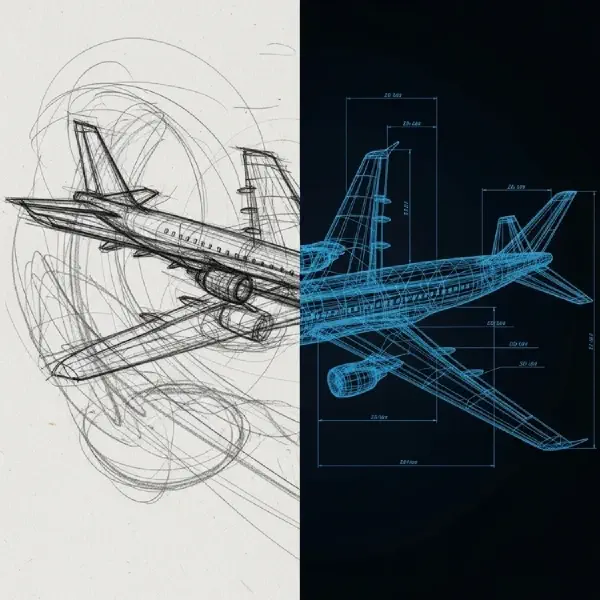
In modern engineering, the transition from a candidate concept to a physical product increasingly relies on virtual engineering. Virtual design allows engineers to visualize product performance and perform design optimization more effectively than by building physical models. For instance, Finite Element Analysis (FEA) can predict how a product will behave under load by breaking down the geometry into thousands of smaller elements. This digital simulation enables the detection of design flaws before a single piece of material is cut.
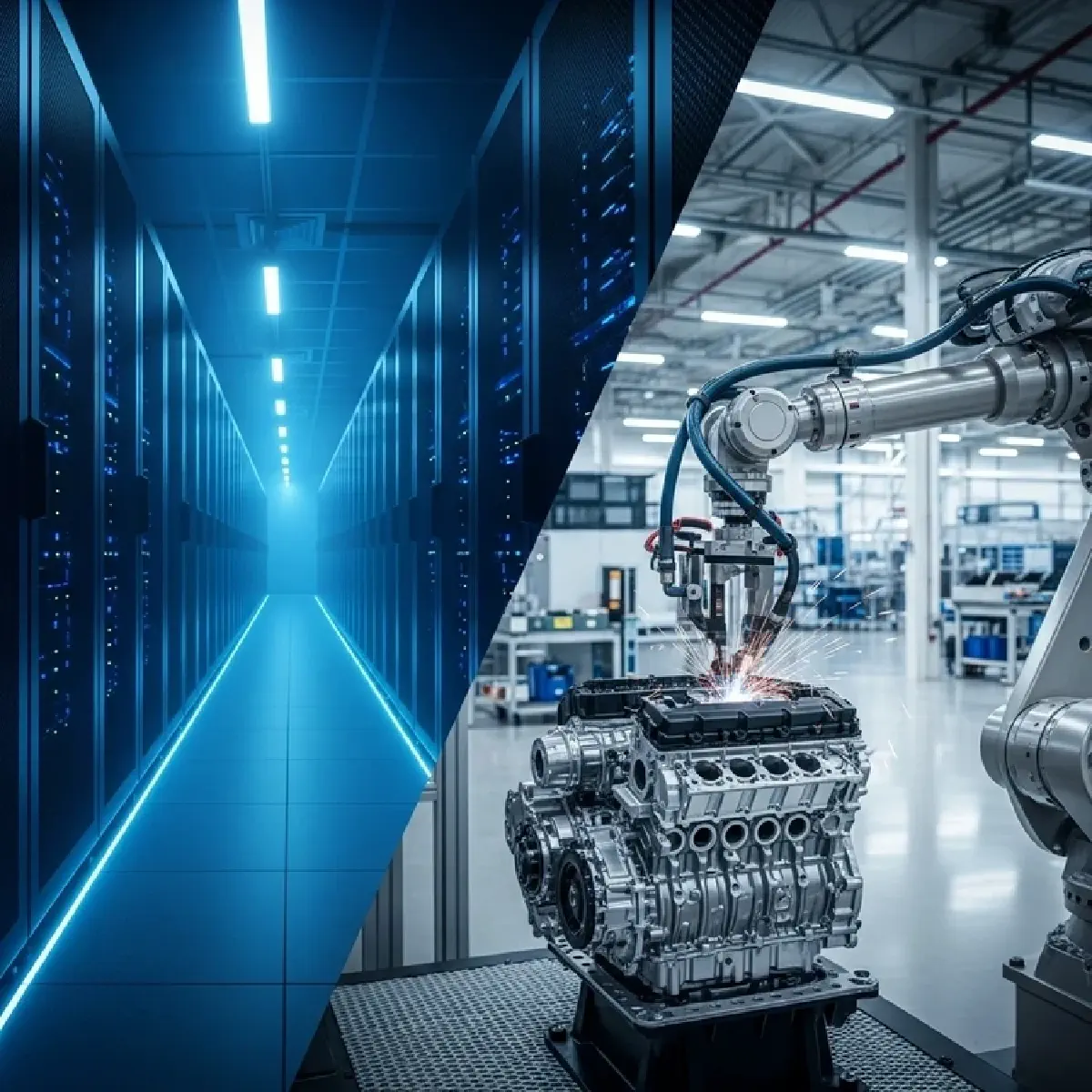
Once a design is finalized in a Computer-Aided Design (CAD) environment, it can be moved into Computer-Aided Manufacturing (CAM) to generate instructions for CNC machines. This integration is managed through Product Data Management (PDM) systems, which store CAD models, test results, and manufacturing plans. This digital ecosystem ensures that the final product meets the exact specifications developed during the design journey.
Virtualization and Ethics as Safeguards of Systemic Integrity#
The central claim of the realization phase is that the successful delivery of a product depends on the simultaneous management of digital precision and ethical accountability. Detail design is an iterative process where products are evaluated for performance, cost, and production. However, technical success is insufficient if it ignores safety or the engineering code of ethics. Engineers must prioritize the benefit of society, taking responsibility for design decisions that impact human life and the environment.
The Mechanism of Detail Design and Analysis#
Detail design involves dimension synthesis, material selection, and stress analysis to refine a concept into a final design. Engineers use CAD tools to create layout drawings, detail drawings, and assembly drawings. A Bill of Materials (BOM) is also generated, listing every item, quantity, and material needed for assembly. Computer-Aided Engineering (CAE) tools then simulate structural or thermal performance. For example, the design of a 150 lb [68.04 kg] man’s vaulting pole requires varying the material and diameter to ensure it deflects exactly 4" [10.16 cm] without failing.
The Crucible of Safety and Failure Analysis#
Design for Safety involves identifying potential product failures before they occur using Failure Modes and Effects Analysis (FMEA). This stepwise procedure examines all the ways a part might fail—such as a screw coming loose or a hydraulic hose leaking—and estimates the adverse effects. Risk priority numbers are calculated to prioritize which failures must be addressed first based on safety and cost. This rigorous approach is vital in critical systems like aerospace or automotive engineering where human lives are at risk. The BP Oil Spill and the Three Mile Island disaster remain cautionary examples of where combinations of human error and design flaws led to catastrophic systemic failure.
Cascading Impacts of Professionalism and Ethics#
The engineering profession is a noble one, dedicated to applying technology for the benefit of society. National organizations like ABET and NSPE have developed codes of ethics to guide engineers when they face dilemmas involving public safety or environmental protection. Adhering to these codes ensures that the engineering “profession”—which requires advanced skills and judgment—results in positive public service. Furthermore, project management ensures that these ethical and technical tasks are completed within the “project triangle” of scope, cost, and time. Successful teams manage these factors by moving through stages of forming, storming, norming, and performing.
Delivering Innovation with Integrity#
The design engineering journey concludes with the realization of a product that is functional, safe, and ethically sound. Final documentation, including written guides for maintenance and quality control, must be communicated to all stakeholders. The success of projects like the NASA Moonbuggy or low-cost ambulances for developing countries demonstrates the power of the systematic design process.
Engineering is a lifelong pursuit of learning, curiosity, and teamwork. As technology changes rapidly, the close of one design process often marks the start of the next generation of products. By balancing digital tools like CAE and virtual prototyping with a profound understanding of human ethics, engineers can continue to create products that are truly responsive to the needs of society.