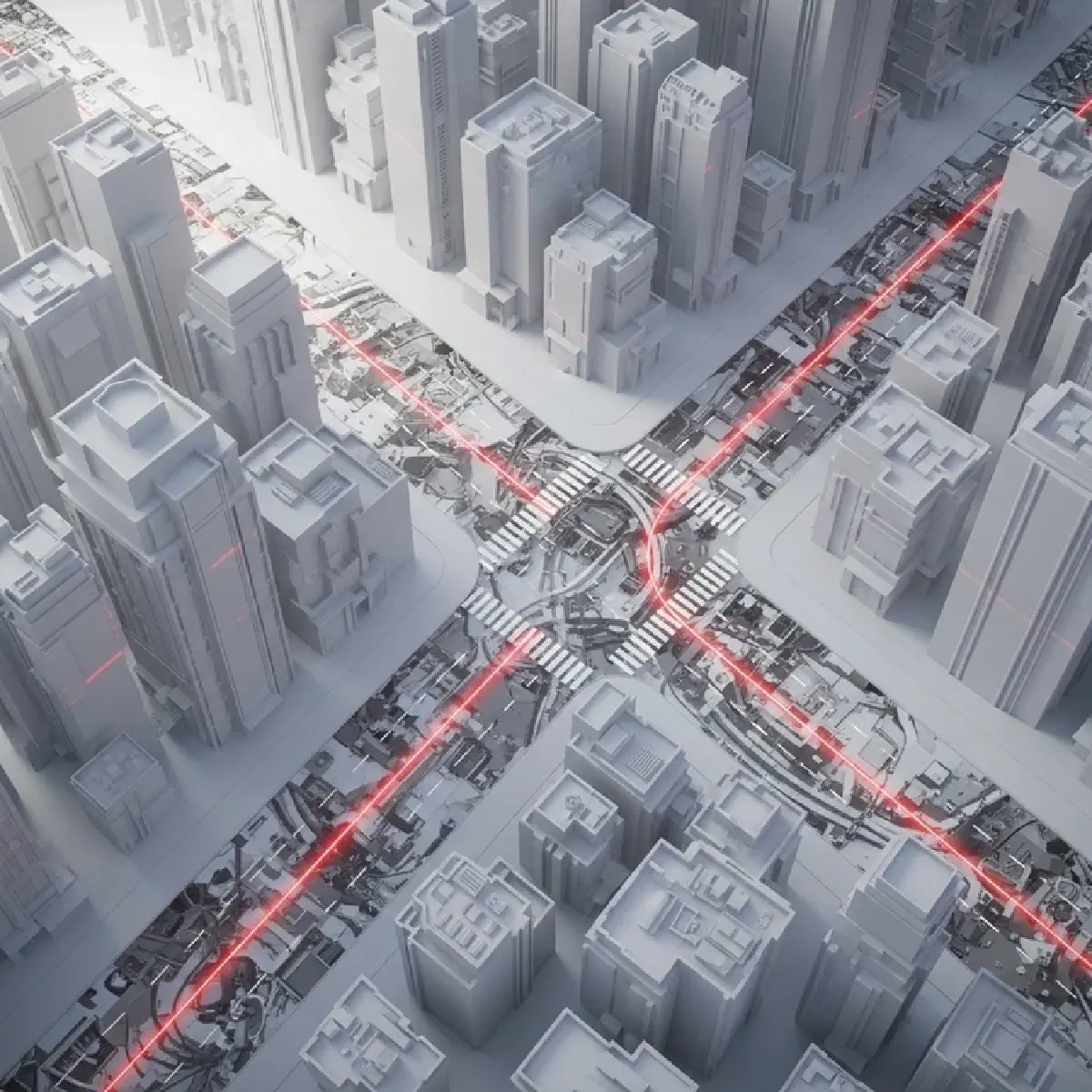
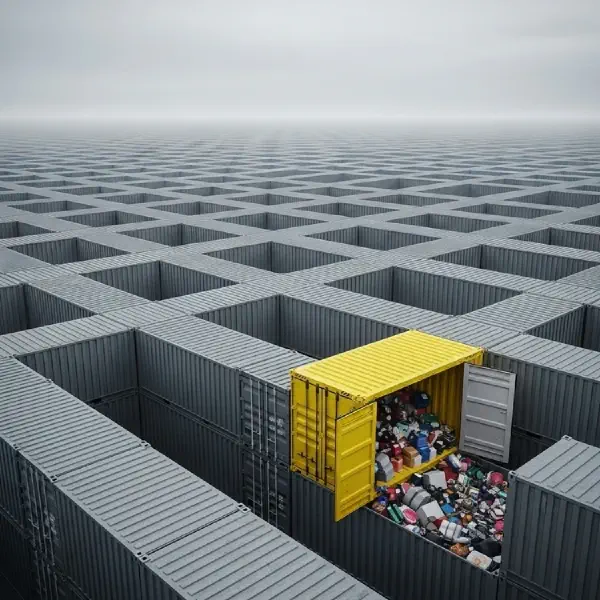
Convenience-driven design often hides systemic costs, creating externalities in labor, environment, and resilience that undermine long-term efficiency.
Speed as a design objective leads to brittle systems that fail catastrophically when disrupted, prioritizing immediacy over robustness.
Cognitive offloading through technology erodes human skills and agency, creating dependency while redistributing mental labor invisibly.
Environmental debt accumulates through linear consumption patterns, externalizing costs to future generations and vulnerable communities.
The political economy of effortlessness concentrates power in platforms and algorithms, reshaping governance through defaults and nudges.
Designing friction back in can restore feedback loops, preserve capabilities, and foster more sustainable and meaningful systems.