Key Insights
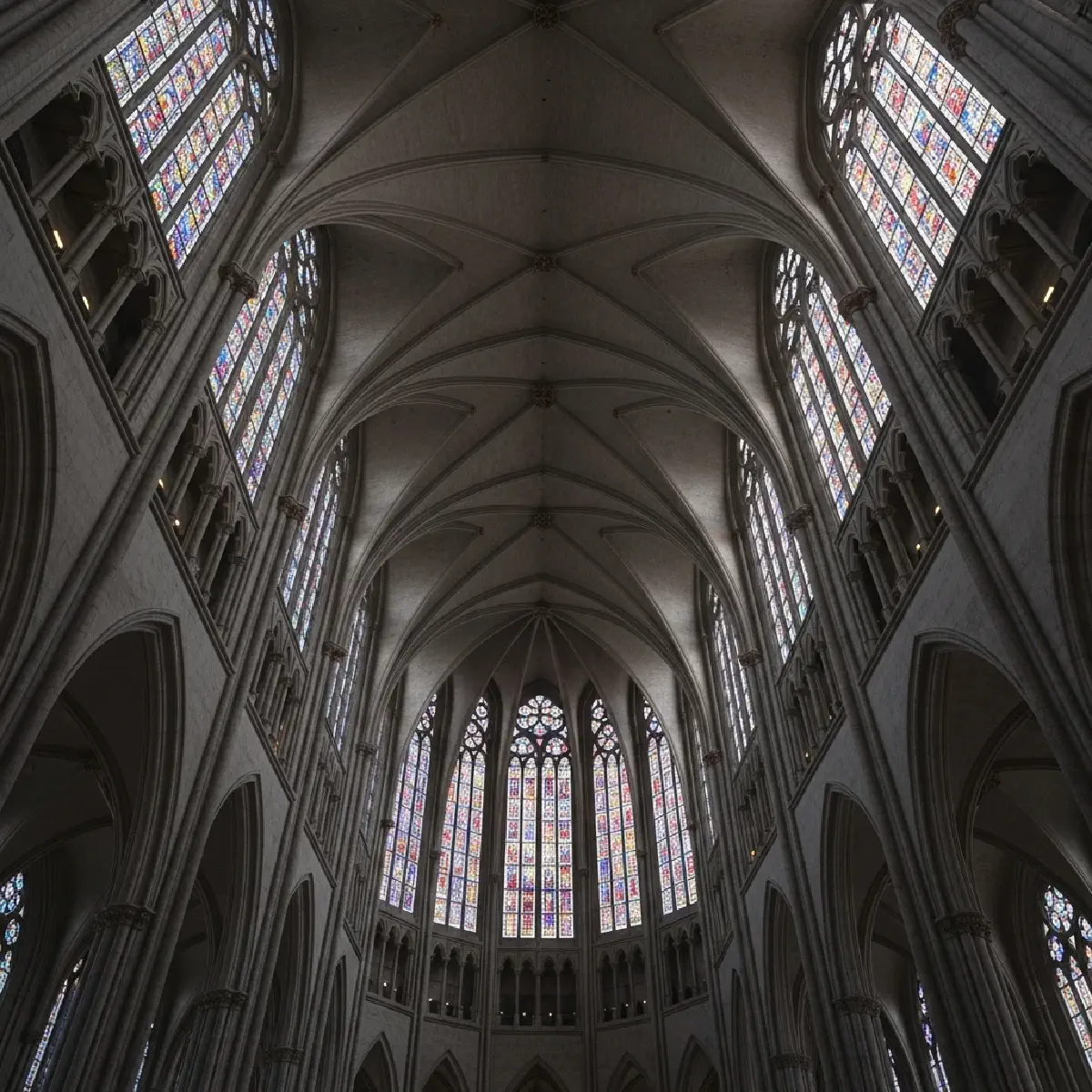
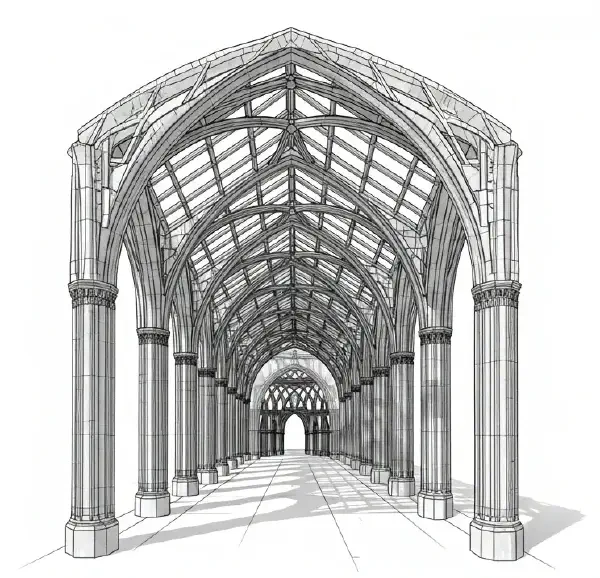
#- Structural innovation enabled architectural transformation
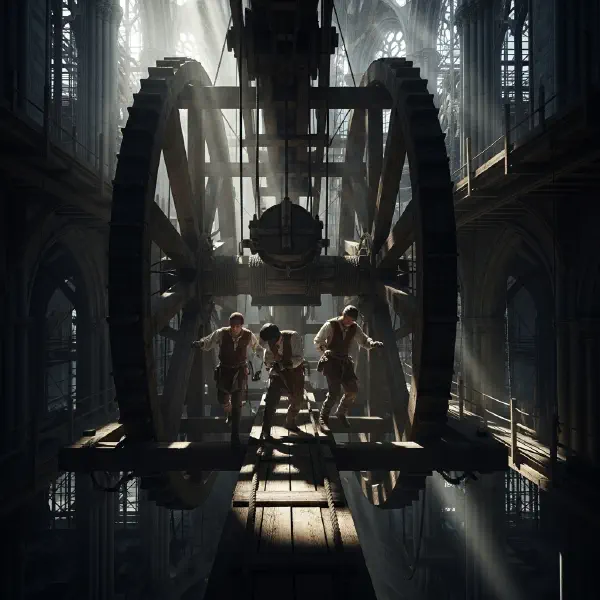
- Mechanical advantage revolutionized construction logistics
- Information technology supported administrative complexity
- Standardization created cultural unity across distances
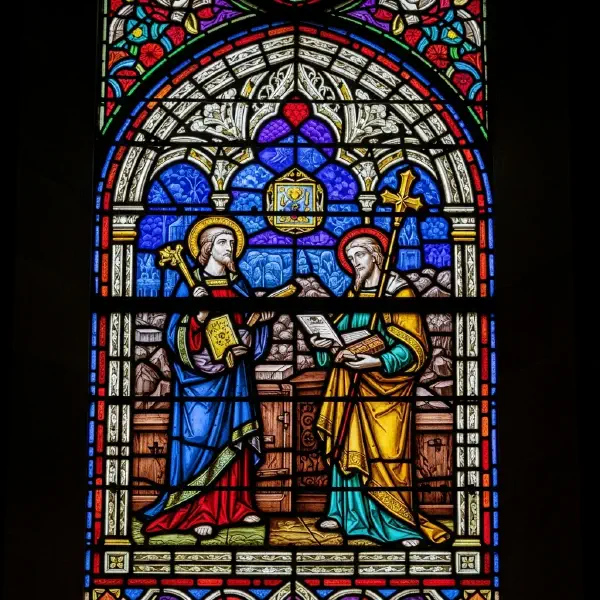
- Chemical engineering produced enduring visual narratives
References
#De Camp, L. S. (1963). The ancient engineers. Doubleday.
Fisher, R., Hammond, N., Kelsall, A. N., Stewart, J., & Stuart, G. S. (1986). Builders of the ancient world: Marvels of engineering. National Geographic Society.
Joseph, F. (2021). Ancient high tech: The astonishing scientific achievements of early civilizations. Bear & Company.
Pazwash, H. (2024). Qanats and historic structures in Persia: Potential modern applications. CRC Press.
Pike, D. (2018). The history of navigation. Pen & Sword Books Limited.
Pollard, J. (2011). Wonders of the ancient world: Antiquity's greatest feats of design and engineering. Quercus.
Smith, M. (2025). The engineering marvels of the Roman Empire: Leaders and builders. Heritage Books, Inc.
Thorpe, J. (1994). Ancient inventions. Random House.