
Caesar’s Flank and the Sound of Dread#
In 55 BC, Julius Caesar’s invasion of Britain was stalled by massed ranks of charioteers and javeliners along the shoreline. To break the stalemate, Caesar ordered his warships to run ashore on the enemy’s right flank and utilize their on-board artillery to drive the native forces back. The natives, terrified by the unfamiliar machines and the whirring sound of projected stones, retreated. This success was built on the backbone of Roman torsion engines—the Ballista and the Scorpio. Unlike the trebuchet, which relied on gravity, these weapons used the physics of rotational stress to store energy in highly maintenance-intensive skeins of organic fiber.
The High-Maintenance Sprint of Sinew Springs#
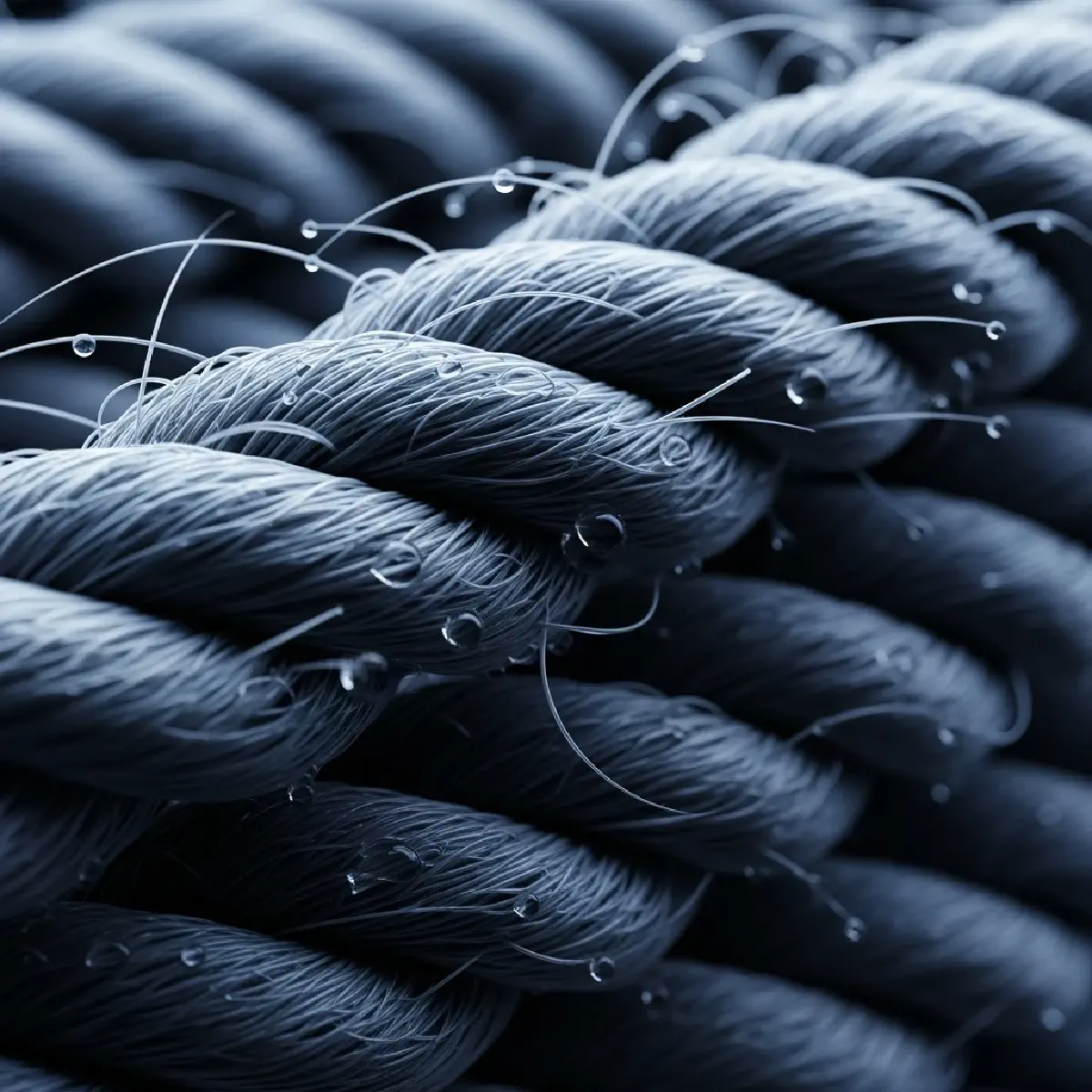
The engineering of Roman artillery was predicated on a singular principle: a lever inserted into a skein of twisted material to increase torsion. When released, the freed energy launched projectiles with a precision that allowed individual soldiers to be “picked off” from the walls. However, the dependence on organic materials like animal sinew or human hair created a mission-critical vulnerability. Torsion engines were high-maintenance devices that became useless if their skeins were affected by wet or damp conditions, which caused the fibers to slacken and lose tension. This forced the Romans to develop a specialized engineering corps dedicated to the production and maintenance of these fragile systems.
The Foundation of Torsional Energy Storage#
Torsion engines represented a significant leap over early tension-based weapons like the gastraphetes (belly-bow). By the 1st century AD, every Roman legion was equipped with a battery of 10 onagers and 55 cheiroballistae. Potential energy was stored by drawing back arms inserted into vertical “skein” springs contained in a rectangular frame. The Romans discovered that sinew from the necks of oxen or the feet of deer provided a superior “spring” compared to horsehair. This energy-storing capacity was far greater than that of a wooden beam, especially in the warm Mediterranean climate where wood would lose its performance at temperatures above 25°C.
The Crucible of Mechanical Friction and Precision#
The transition from wood to all-metal frames in later designs, like the cheiroballista, allowed for larger angles of movement and increased projectile velocity. However, early designs suffered from extreme internal friction between the wooden levers and the frame. This engineering bottleneck was solved with the invention of metal washers, which allowed for precise tension adjustment and prevented the frame from being destroyed by the very force it was designed to contain. Roman libratores ensured that these machines were perfectly level in the field, as any tilt would compromise the trajectory and accuracy of the shot.
The Cascade of Precise Lethality#
The scorpio, a smaller, highly portable torsion engine, was often described as having an “armor-piercing sting”. Operated by only one or two men, it could deliver bolts with deadly accuracy both in the field and during sieges. For larger targets, the onager utilized a single-armed “kicking” motion to launch 26 kg stones up to 370 meters. While these weapons were not powerful enough to demolish the 2-meter-thick walls of major cities, they were devastating against battlements and infantry. The Roman law of the ram dictated that any city failing to surrender before the first artillery strike began would lose all rights, making the “thud” of a ballista stone a potent tool of psychological warfare.
The Demise of the Torsion System#
The decline of the torsion engine was a direct result of the deteriorating administrative structures of the late Roman Empire. As the expertise needed to maintain complex sinew-based systems vanished, simpler machines like the traction trebuchet became preferable. Torsion power effectively disappeared from the Western world for seven centuries, only reappearing in the 13th-century springald as a defensive anti-personnel tool. Modern engineering parallels can be seen in high-tension systems like aircraft carrier launch cables, where the management of transient stress and material fatigue remains the primary barrier to reliability.