Key Insights
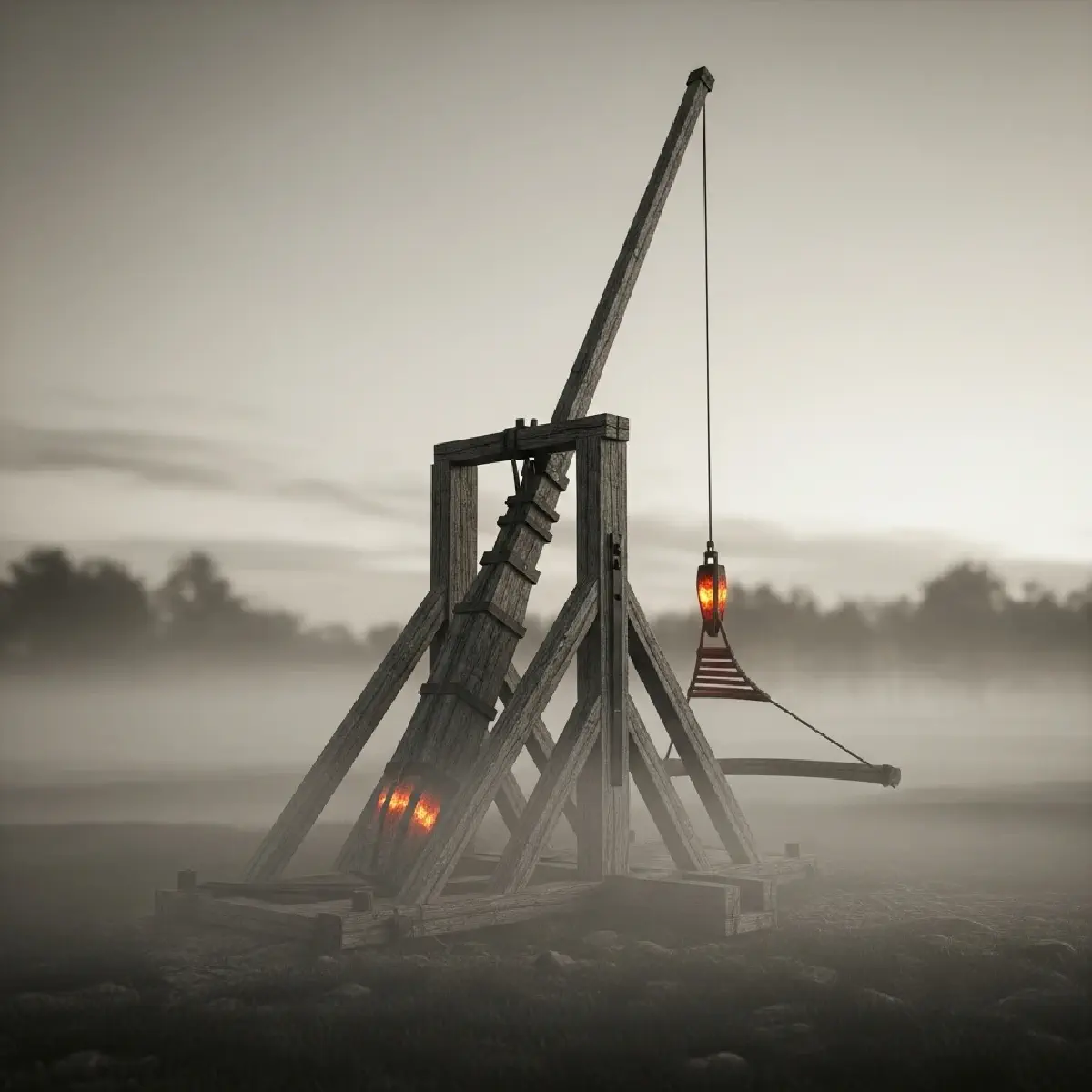
#- The trebuchet demonstrated the power of gravitational potential energy, shifting warfare from manpower to mechanical advantage.
- Roman torsion engines highlighted the challenges of maintaining high-performance organic materials in combat conditions.
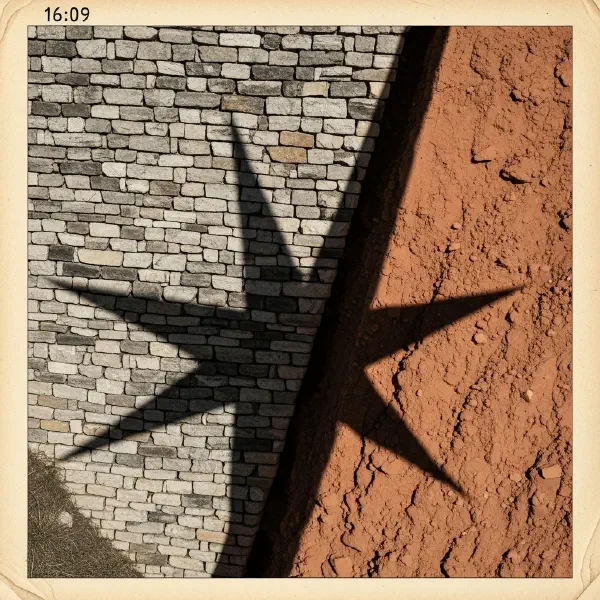
- Star forts revolutionized defensive architecture by using geometry to eliminate blind spots and redirect projectile force.
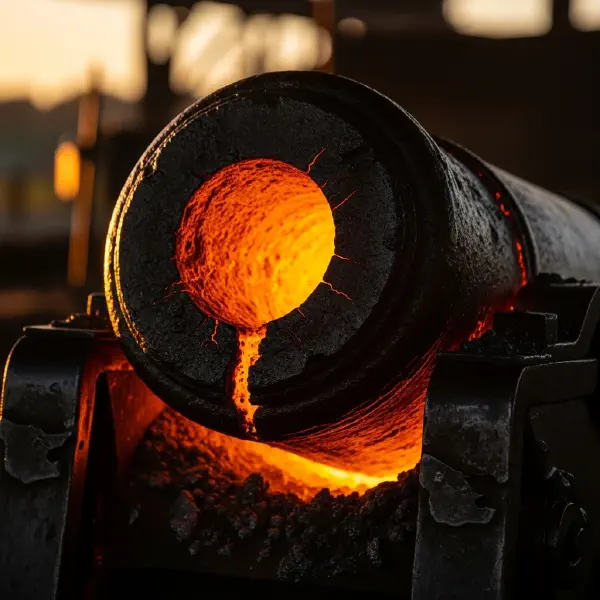
- The development of gunpowder weapons introduced the engineering challenge of containing extreme internal pressures.
- Composite materials in bows and swords showed how heterogeneous structures could optimize for both strength and flexibility.
References
#- Andrade, T. (2016). The Gunpowder Age: China, Military Innovation, and the Rise of the West in World History. Princeton University Press.
- Bishop, M. C., & Coulston, J. C. N. (2006). Roman Military Equipment from the Punic Wars to the Fall of Rome. Oxbow Books.
- Blair, C. (1958). European Armour Circa 1066-Circa 1700. B.T. Batsford.
- Chevedden, P. E., et al. (1995). The Trebuchet. Scientific American, 273(1), 66-71.
- Coates, J. F. (2000). The Athenian Trireme. Cambridge University Press.
- Duffy, C. (1979). Siege Warfare: The Fortress in the Early Modern World 1494-1660. Routledge.
- Kelly, J. (2004). Gunpowder: Alchemy, Bombards, & Pyrotechnics. Basic Books.
- Marsden, E. W. (1969). Greek and Roman Artillery: Historical Development. Oxford University Press.
- Needham, J. (1986). Science and Civilisation in China, Vol. 5, Part 7: Military Technology – The Gunpowder Epic. Cambridge University Press.
- Verhoeven, J. D., et al. (1998). The Key Role of Impurities in Ancient Damascus Steel Blades. JOM, 50(9), 58-64.
·599 words·3 mins
·568 words·3 mins
·596 words·3 mins
·651 words·4 mins
·716 words·4 mins