On March 27, 1980, the Alexander L. Kielland oil platform in the North Sea capsized and sank, killing 123 people. The platform was a floating accommodation unit, designed to house workers for the Edda oil field. The disaster occurred during a storm with winds of 40 knots and waves up to 12 meters. The platform had been in service for 14 years and was considered structurally sound. However, a combination of fatigue cracks, design flaws, and human factors led to the catastrophic failure.
The Fatigue That Fractured the Frame#
The Alexander L. Kielland was a semi-submersible platform with five cylindrical pontoons and a deck supported by six legs. The legs were connected to the pontoons by bracing structures. The failure originated in one of the bracing members, where fatigue cracks had developed over time. Fatigue is the progressive weakening of a material due to cyclic loading. In the North Sea environment, the platform was subjected to constant wave action, which caused repeated stress cycles.
The Crack That Started It All#
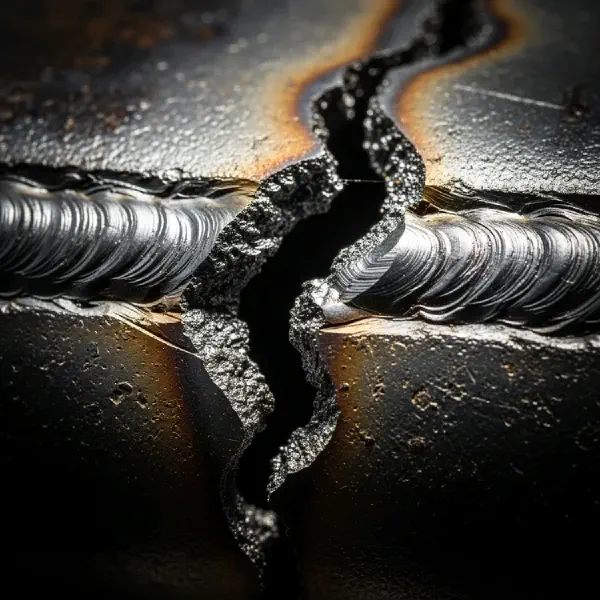
The critical failure was in the D-6 bracing member, a tubular steel element connecting the pontoon to the leg. The member had developed fatigue cracks due to poor weld quality and stress concentrations. The cracks were initiated at the weld toes, where the weld metal met the base metal. Over time, these cracks propagated through the thickness of the tube. The platform’s design included inspection hatches, but these were not regularly used for non-destructive testing.
The Design Flaw That Amplified the Problem#
The Alexander L. Kielland was designed with a high degree of redundancy, but this redundancy was compromised by the fatigue cracks. The bracing system was intended to provide stability in multiple directions, but the failure of one member created an imbalance. The platform’s stability was also affected by its ballast system. During the storm, the platform was in a transit configuration with reduced ballast, making it more susceptible to capsizing.
The Human Factor in the Equation#
The disaster was exacerbated by human factors. The platform was operating in marginal weather conditions, with waves exceeding the design limits. The crew was aware of the deteriorating conditions but continued operations. The inspection and maintenance procedures were inadequate, and there was no systematic fatigue monitoring. Following the disaster, the Norwegian Petroleum Directorate implemented stricter inspection requirements and fatigue analysis for offshore structures.
The Lessons from the Deep#
The Alexander L. Kielland disaster led to significant changes in offshore platform design and operation. Modern platforms incorporate fatigue-resistant designs, regular non-destructive testing, and advanced monitoring systems. The incident highlighted the importance of considering environmental loads, material fatigue, and human factors in structural design. It also emphasized the need for redundancy and the dangers of complacency in maintenance.
The sinking of the Alexander L. Kielland was a tragic reminder that even well-designed structures can fail if not properly maintained. The disaster resulted in 123 deaths and led to a reevaluation of safety standards in the offshore industry. Today, offshore platforms are designed with multiple layers of protection against fatigue and environmental loads. The incident serves as a cautionary tale about the cumulative effects of small flaws and the importance of proactive maintenance.