On August 1, 2007, the I-35W bridge over the Mississippi River in Minneapolis collapsed during evening rush hour, killing 13 people and injuring 145. The 1,900-foot-long structure, built in 1967, was carrying 140 vehicles when it failed. The collapse occurred at the northwest end of the bridge, where the deck fell 60 feet into the river below. The failure was not a sudden event but the culmination of decades of corrosion, design flaws, and inadequate inspection. This disaster revealed how infrastructure can appear solid while being critically compromised beneath the surface.
The Corrosion That Ate the Bridge#
The I-35W bridge was designed with a fracture-critical design, meaning that if any single structural element failed, the entire bridge could collapse. This design philosophy was common in the 1960s but is now considered obsolete. The bridge featured a deck truss system with steel box girders and a concrete deck. The critical failure point was at the U10 nodes, where diagonal members connected to the main truss. These nodes were constructed with gusset plates that were too thin and inadequately welded.
The Design Flaw That Wasn’t#
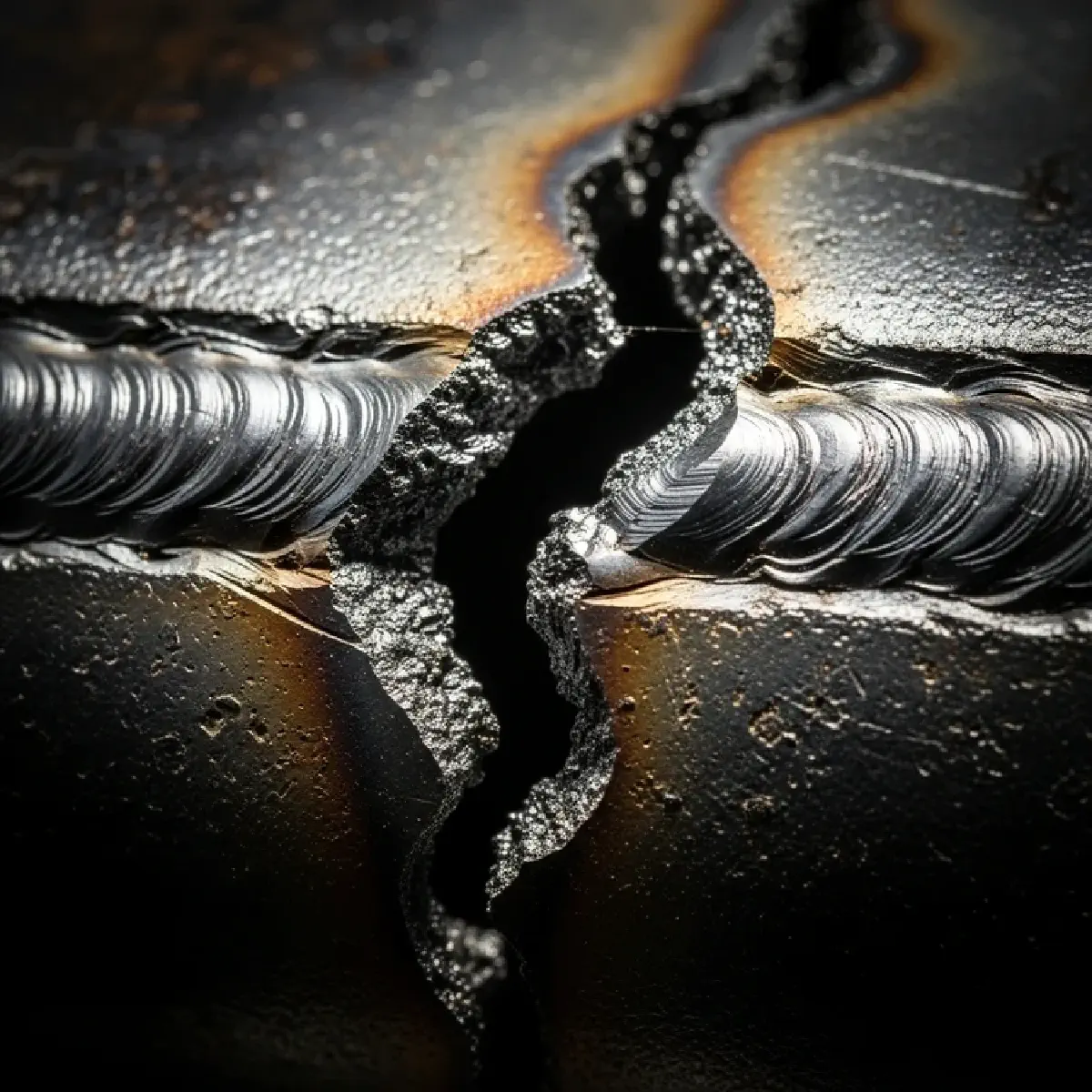
The gusset plates at the U10 nodes were designed with a thickness of only 0.5 inches, far below modern standards. The welds connecting these plates were also deficient, with incomplete penetration and lack of proper inspection. Over time, corrosion exacerbated these issues. The bridge was located in a region with heavy de-icing salt use, which accelerated corrosion of the steel members. The gusset plates developed cracks and holes, reducing their load-carrying capacity by up to 90%. Despite these visible signs of deterioration, the bridge was rated as “structurally deficient” but not “fracture critical” in the National Bridge Inventory.
The Inspection That Missed the Obvious#
The Minnesota Department of Transportation conducted regular inspections, but these were visual only and did not include non-destructive testing of the gusset plates. In 1990, inspectors noted “severe corrosion” on the gusset plates but did not recommend immediate action. By 2005, the corrosion had progressed to the point where holes were visible in the plates. Despite this, the bridge was not closed for repairs. The inspection protocols at the time did not require detailed analysis of fracture-critical members. Following the collapse, the National Transportation Safety Board recommended that all fracture-critical bridges be inspected using ultrasonic testing and magnetic particle inspection.
The Load That Broke the Camel#
The final failure was triggered by an overload condition. The bridge was designed for an HS20-44 loading (a 20-ton truck with 32,000 lb axle loads), but the actual loads were higher. On the day of the collapse, construction work was underway to replace the deck, which added additional weight. The gusset plates at the U10 nodes were carrying loads far beyond their reduced capacity. When one diagonal member failed, it created a cascading failure that brought down the entire span. The collapse occurred in 0.4 seconds, giving drivers no time to react.
The Aftermath and the Lessons#
The I-35W collapse led to a nationwide reevaluation of bridge inspection and maintenance practices. The replacement bridge, completed in 2008, cost $234 million and incorporated modern design standards with thicker gusset plates and redundant load paths. The disaster highlighted the dangers of fracture-critical designs and the importance of proactive maintenance. It also exposed the limitations of visual inspections and the need for advanced non-destructive testing methods. The collapse serves as a reminder that infrastructure failure is often not a single event but the result of accumulated neglect and systemic flaws.