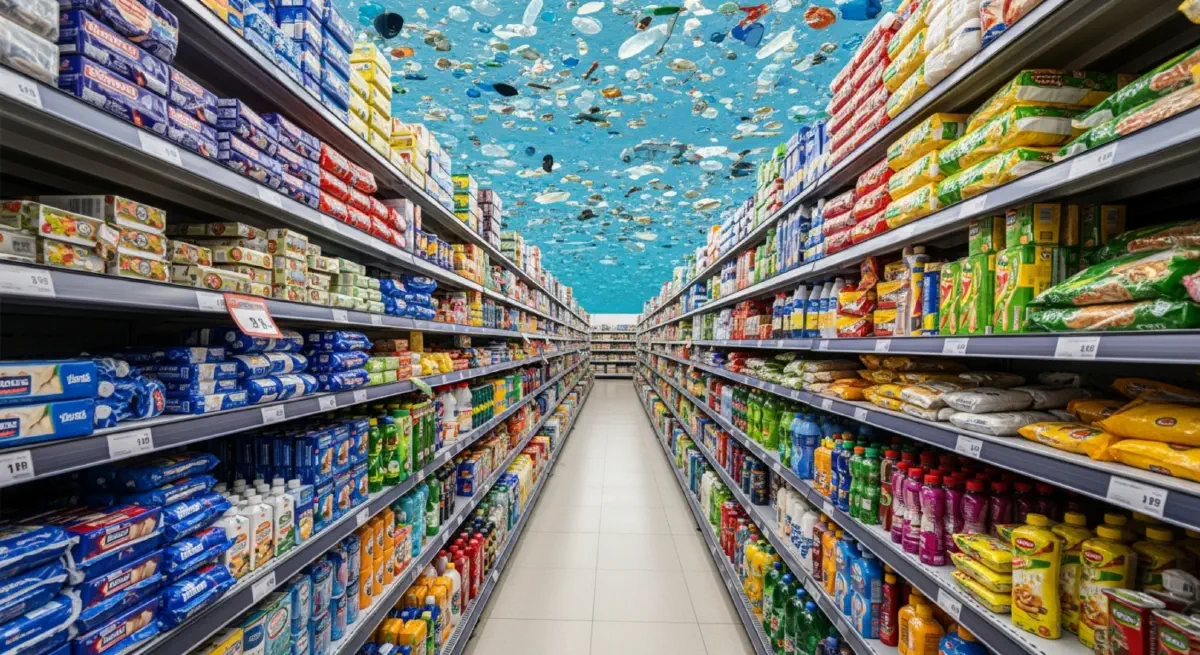
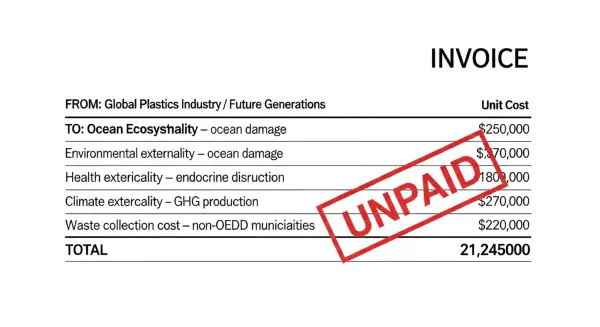
The Plastic Cost Coverage Ratio reveals a systematic market failure of global scale: PCCR = Costs internalized by plastic producers through end-of-life obligations (EPR fees, recycling levies, take-back costs) ÷ Total estimated environmental and health externality cost per tonne of plastic produced. Current EPR obligations globally recover approximately $5–15 per tonne of plastic produced. Total external cost estimates — incorporating ocean pollution, land pollution, greenhouse gas emissions, health costs of microplastic and chemical exposure, collection and processing costs currently borne by municipal waste systems — are estimated at approximately $300–1,000 per tonne. PCCR = approximately 0.01–0.05.
Plastic production subsidies from fossil fuel tax regimes add an inverse premium above the zero externality pricing: Plastic feedstocks — primarily ethylene and propylene derived from natural gas liquids and oil refining — benefit from fossil fuel tax regimes, royalty structures, and petrochemical investment subsidies that effectively reduce their cost below what a carbon-priced and externality-priced market would produce. If these subsidies were removed and a carbon price applied at the social cost of carbon to plastic feedstock production, the economy signaling would point away from linear plastic use and toward circular material loops — the opposite of current price signals, which make virgin plastic cheaper than consistently available recycled feedstock in most markets.
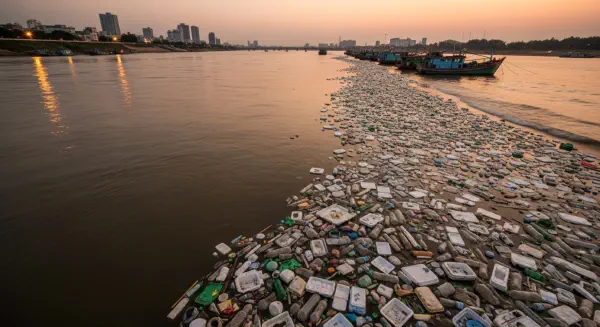
The geography of ocean plastic entry is dominated by uncollected waste in rapidly industrialising economies: The Jambeck et al. 2015 study in Science, the most widely cited analysis of ocean plastic input by source, estimated that 80% of ocean plastic originates from land-based sources, and that the ten rivers contributing the most plastic to the ocean were all in Asia (the Yangtze, Indus, Yellow, Hai, Nile, Ganges, Pearl, Amur, Niger, and Mekong). The analysis was subsequently refined and challenged; later estimates give higher weight to sub-Saharan African rivers. The common factor across high-input rivers is not consumer behaviour but waste collection infrastructure: countries with poorly capitalised municipal waste collection services inevitably see more uncollected waste reaching waterways.
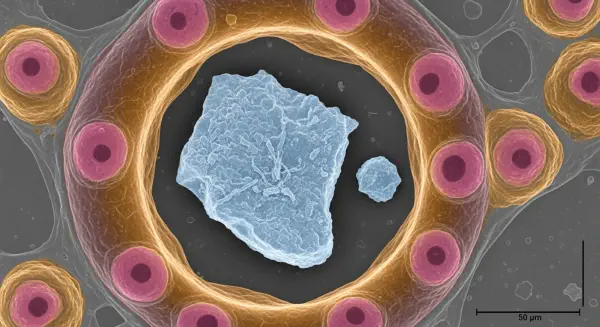
The chemistry of plastic additives creates a partially separate externality from the polymer matrix itself: Plastic products routinely contain chemical additives — flame retardants, plasticisers (phthalates, BPA and its replacements), UV stabilisers, anti-oxidants, colorants — whose toxicological profiles are often poorly characterised and whose regulatory approval in plastics used for food contact, medical devices, and children's products lags considerably behind the discovery of health effects. Phthalates, used as plasticisers in PVC, are endocrine disruptors with documented effects on male reproductive development at ambient exposure levels. Bisphenol A (BPA) is an oestrogen mimic associated with metabolic and reproductive effects; its replacement plasticisers (BPS, BPF) show similar endocrine activity in preliminary toxicological studies.
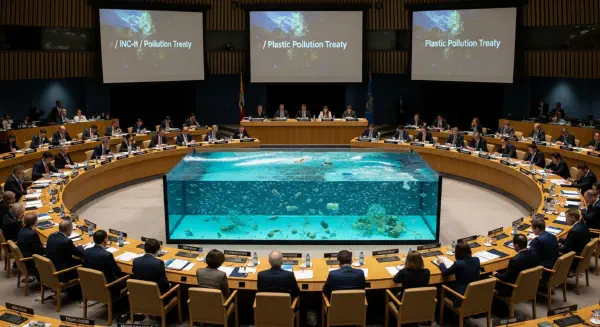
The Global Plastics Treaty represents the most ambitious attempt since the Paris Agreement to regulate production side of a global pollution problem: The UNEA Resolution 5/14 of March 2022 mandated the development of a legally binding international agreement on plastic pollution, covering the full lifecycle from production to waste management. The Intergovernmental Negotiating Committee (INC) conducted five sessions between 2022 and 2024. The core fault line in negotiations is whether the treaty will mandate reductions in total plastic production — advocated by a coalition of "High Ambition Coalition" countries including the EU and most OECD nations — or restrict itself to waste management improvements without production caps, as preferred by major petrochemical-producing nations including Russia, Saudi Arabia, Iran, and to a lesser extent the United States. The treaty's effectiveness as a PCCR-improving instrument will be determined almost entirely by which of these two positions prevails.