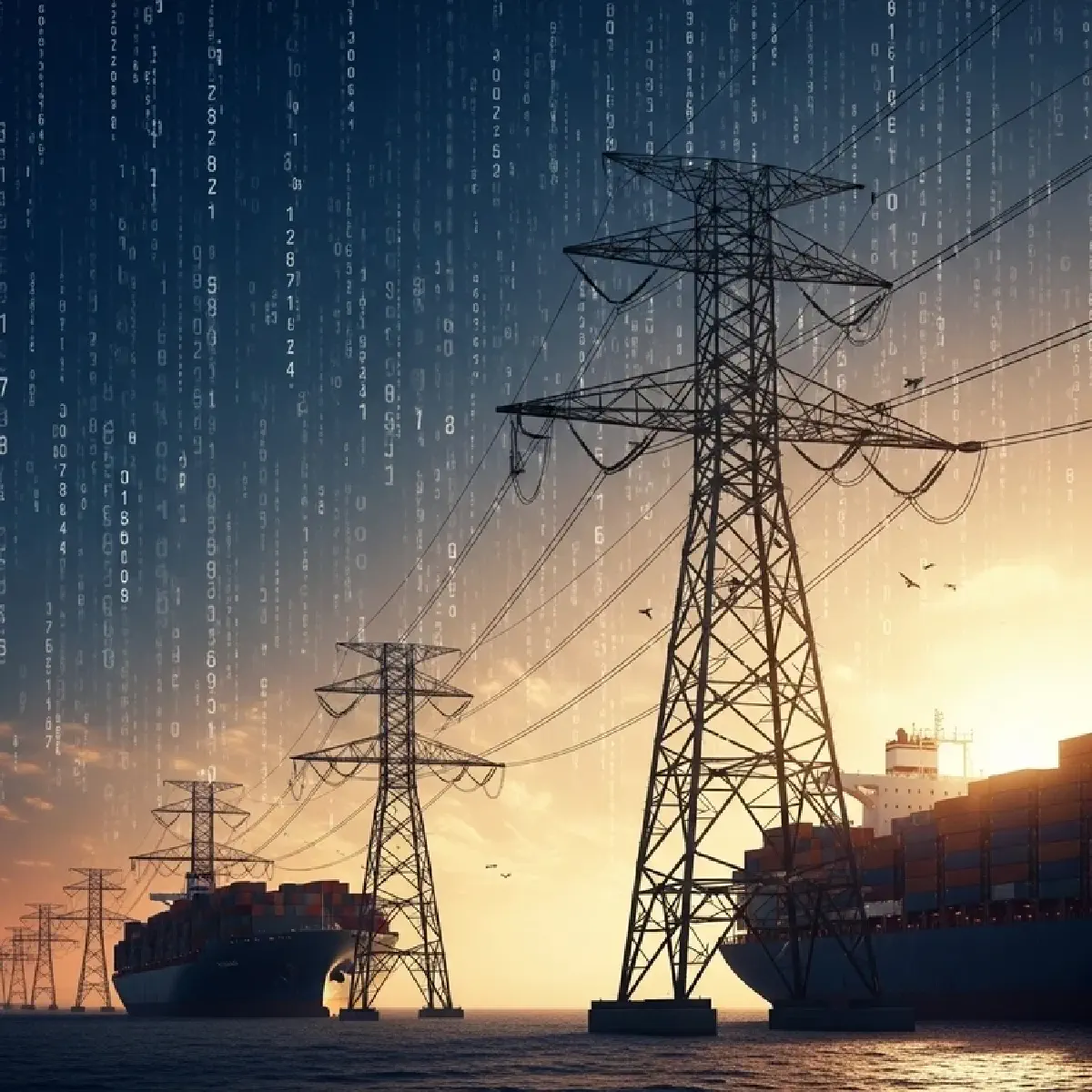
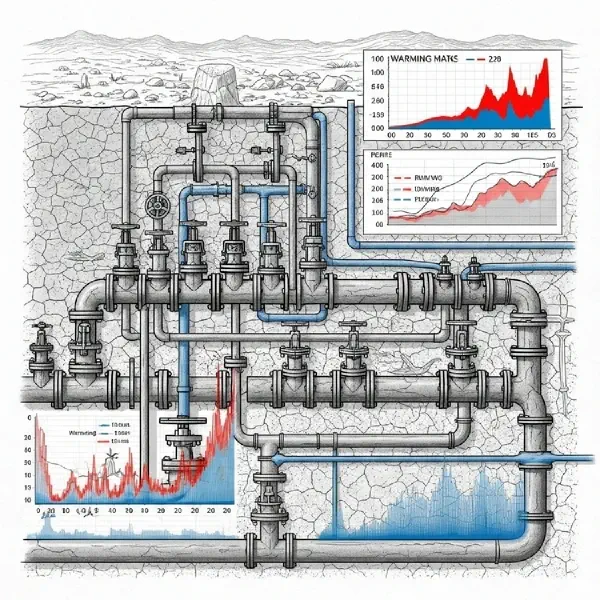
Modern civilization is built on seven interdependent pillars: energy, food, water, materials, transportation, communication, and waste management.
Each pillar relies on complex systems that have evolved over centuries, often without consideration for sustainability or resilience.
The scale and efficiency of these systems have enabled unprecedented growth but also created vulnerabilities, such as resource depletion and environmental degradation.
Understanding the interconnections between these pillars is crucial for addressing global challenges like climate change, social inequality, and economic instability.
Future development must focus on redesigning these pillars to be more sustainable, equitable, and adaptable to changing conditions.
Smil, V. (2022). How the world really works : the science behind how we got here and where we’re going (First North American edition). Viking.
Friedman, T. L. (2008). Hot, flat, and crowded : why we need a green revolution–and how it can renew America (First edition). Farrar, Straus and Giroux.
Jackson, T. (2009). Prosperity without growth : economics for a finite planet. Earthscan.
Meadows, D. H., Meadows, D. L., Randers, J., & Behrens III, W. W. (1972). The limits to growth; a report for the Club of Rome’s project on the predicament of mankind. Universe Books.