Key Insights
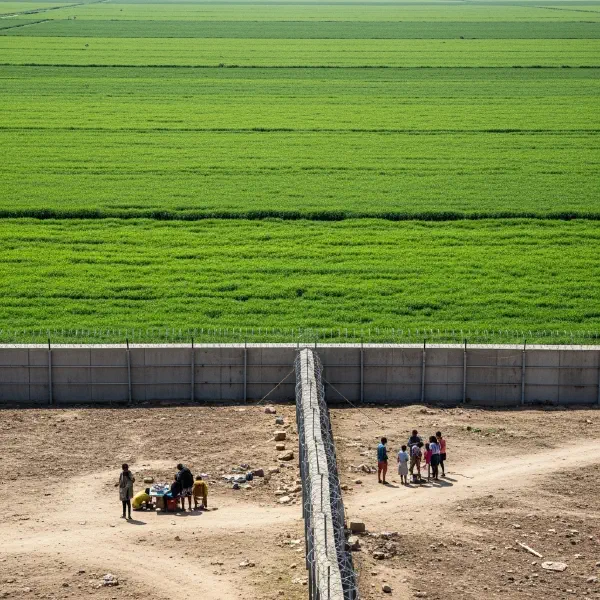
#- 500+ million people suffer from hunger despite global food abundance
- Famines are historical/political events, not inevitable natural phenomena
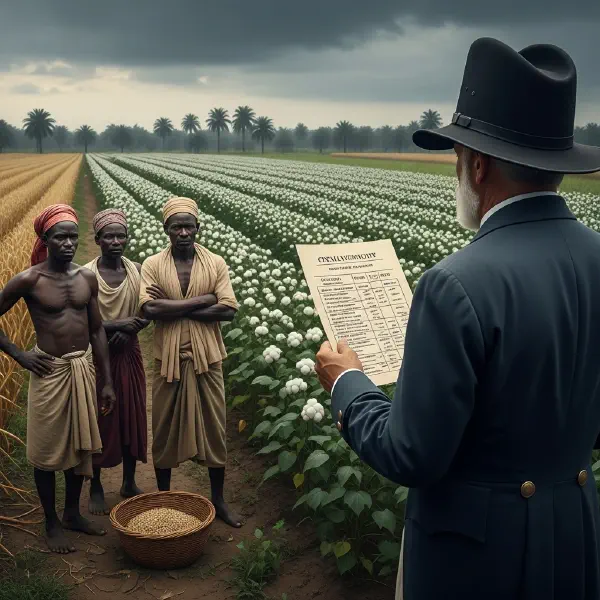
- Colonial systems deliberately shifted agriculture from subsistence to cash crops
- The “Green Revolution” worsened inequality by concentrating resources among elites
- Modern agribusiness and international debt maintain structures of dependency
- “Food First” requires democratizing control over food production resources
References
#- Tiranti, D., Stalker, P., Offley, C., Lappé, F. M., & Nebraskans for Peace. (1977). Food first : beyond the myth of scarcity. Nebraskans for Peace.
- Sen, A. (1981). Poverty and Famines: An Essay on Entitlement and Deprivation. Oxford University Press.
- Patel, R. (2007). Stuffed and Starved: The Hidden Battle for the World Food System. Melville House.
- Shiva, V. (1991). The Violence of the Green Revolution: Third World Agriculture, Ecology, and Politics. Zed Books.
- McMichael, P. (2005). Global Development and the Corporate Food Regime. Monthly Review Press.
- Clapp, J. (2017). Food. Polity Press.
·1266 words·6 mins
·881 words·5 mins
·756 words·4 mins
·420 words·2 mins