The View from the Basement#
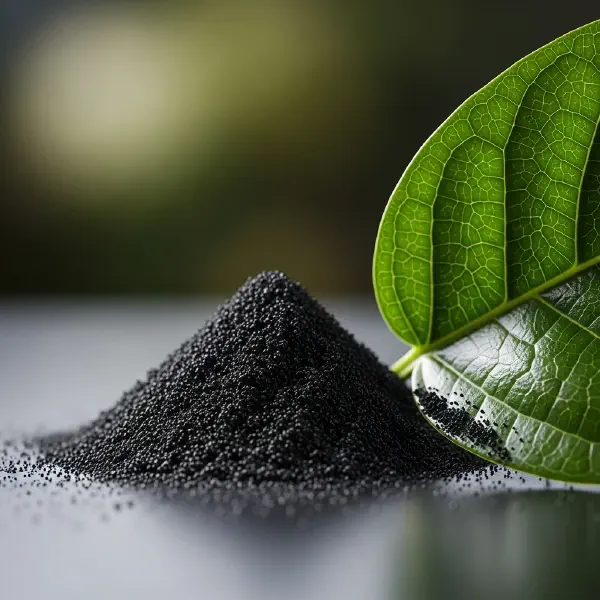
In the basement of a Norwegian university, the air is thick with the sound of elaborate ventilation ducts. The team working here is diverse, with researchers from India, Pakistan, and Indonesia. L, the Indonesian metallurgist, recalls how people in his home country take apart batteries with bare hands in “artisanal mining”. In Norway, he works behind plexiglass with gloves and safety goggles because black mass is considered carcinogenic. This contrast highlights the “uneven exposures” of the global energy transition.
The Geography of Privilege#
The transition minerals rush perpetuates colonial modernities by concentrating power and knowledge in affluent regions while externalizing harm. The Norwegian “green shift” is not happening in a vacuum; it relies on the appropriation of Indigenous land and the brain drain of the Global South. We must recognize that “good intentions” can still maintain colonial relations.
The Human Infrastructure of Transition#
Explaining the System: The Knowledge Sink#
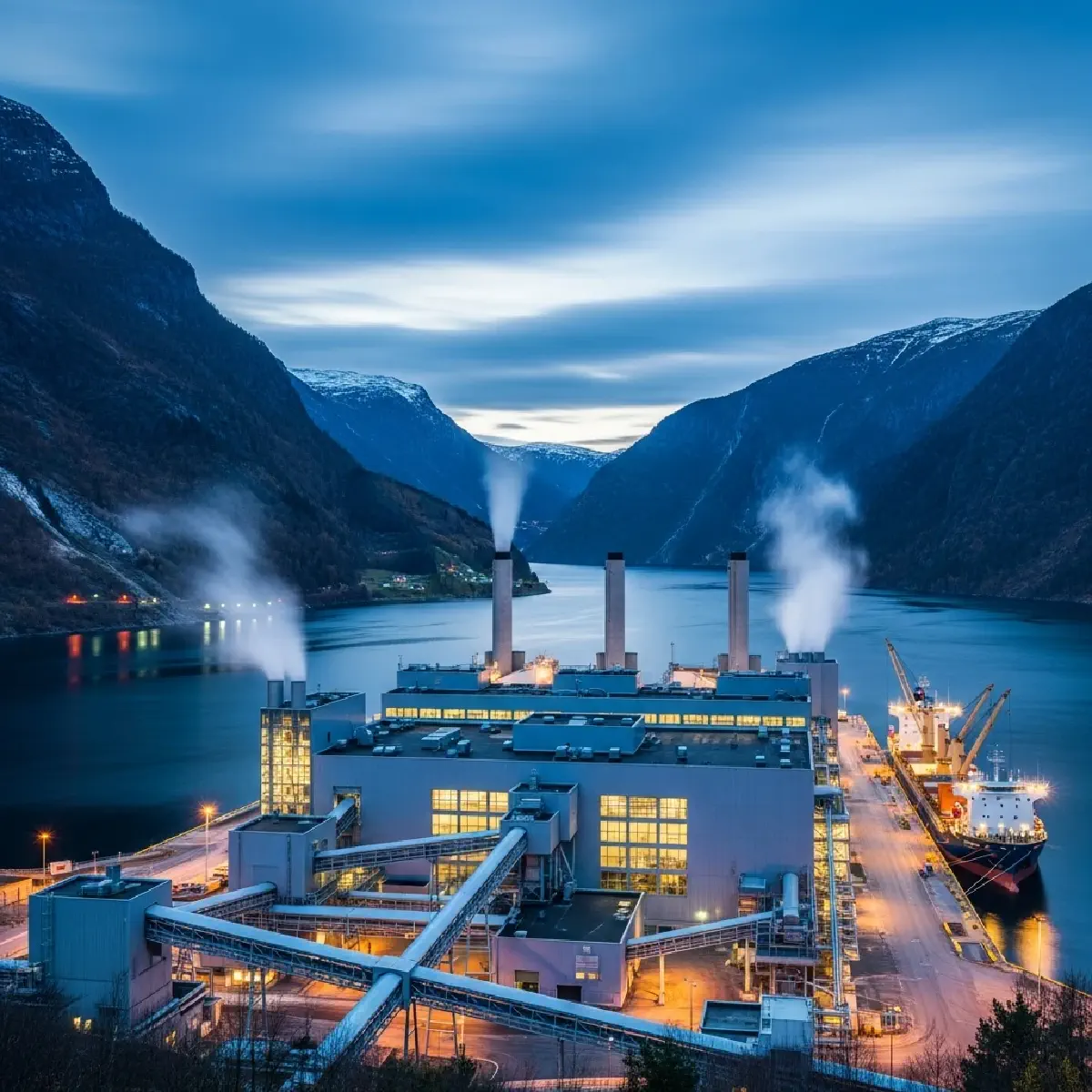
Norway is often presented as a “frontrunner” in green technology, but its position is tied to its unique oil-wealth and geography. The university’s research is funded by the revenues of fossil fuel exports, creating a “paradox on a societal scale”. This wealth allows for “Research and Development” (R&D) laboratories that are rare in the countries where the researchers originate. M, a master’s student from Pakistan, notes that Global North countries “don’t want to pollute their water… with carcinogens,” so the processing often stays in the Global South while the R&D moves North.
Complicating Factors: Uneven Concerns#
The priorities of battery science are often shaped by “range anxiety”—the fear of an EV running out of charge on the way to a mountain cabin. For the professor leading the Norwegian team, “T,” who is from India, this feels like a “kind of confusion”. When he presents his work in New Delhi, he feels awkward talking about EV recycling in a country still struggling with basic food security and coal-fired power. The “circular economy” often copies perspectives from one society and pastes them onto another without a “catching base”.
Tracing the Consequences: More-than-Chemical Separations#
These separations are not just conceptual; they are personal. Researchers like L and H live separated from their families by thousands of miles (kilometers) to pursue safety and opportunity in Norway. Furthermore, the rapid pace of battery innovation—driven by the need for longer range—makes recycling methods obsolete almost as soon as they are discovered. If scientists find a way to recycle lithium carbonate today, tomorrow’s “next-gen” batteries might use lithium metal, requiring a total process overhaul.
The Colonial Shadow#
The contemporary rush for transition minerals like lithium mirrors older forms of “exploitation colonization”. From copper in the Repparfjord of Northern Norway—affecting Sámi reindeer herding—to lithium in the Atacama, Indigenous rights are often sidelined for “greater environmental goods”. Green technologies can act as “green colonialism” when they serve national progress by erasing cultural practices. To build a liveable future, we must move beyond these “paradigms of exclusion”.