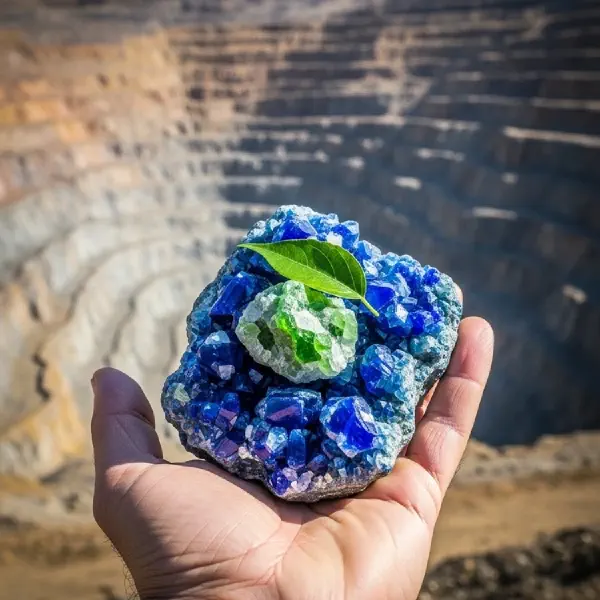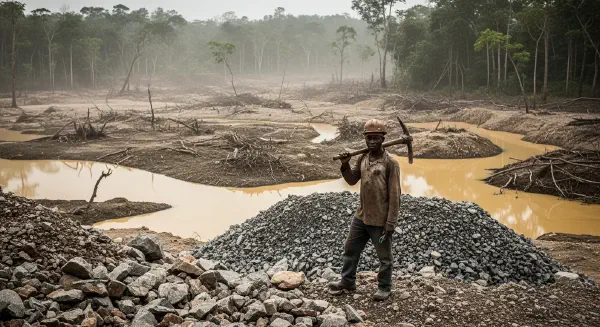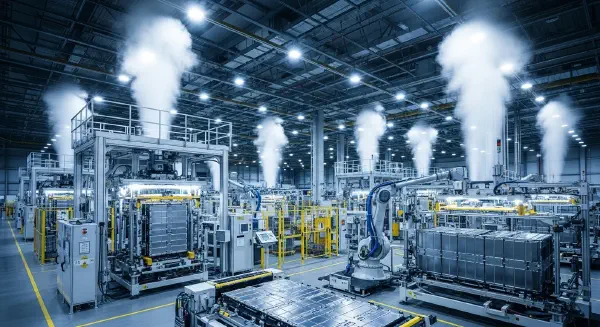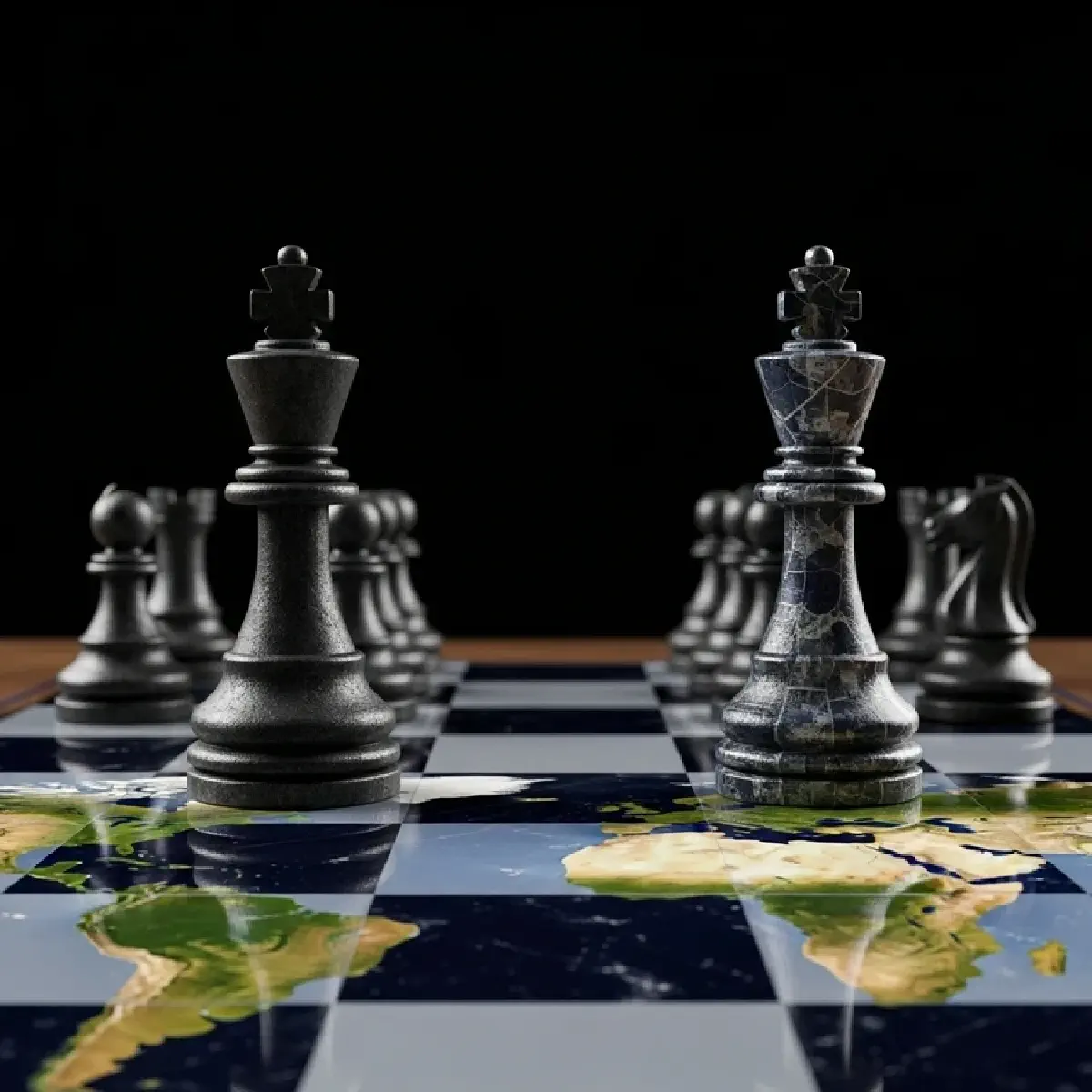
The concentrations of minerals, patents, and capital are not occurring in a vacuum. They are actively reshaping the board of global power, forcing nations to play a new and complex game. The 20th century was dominated by the geopolitics of oil; the 21st will be increasingly defined by the geopolitics of the battery, the solar panel, and the critical minerals that make them possible.
This new Great Game is less about controlling territory and more about controlling supply chains, setting technical standards, and mastering manufacturing ecosystems. The starkest manifestation is the strategic competition between the United States and China. China’s early and decisive moves to dominate mid-stream processing and manufacturing of green technologies have given it a first-mover advantage akin to Saudi Arabia’s role in OPEC. The West’s response, through the IRA and similar policies, is an attempt to rewire these supply chains through “friend-shoring” and onshoring.
This competition is fracturing the global trading system into blocs. We are moving from a world of integrated, just-in-time supply chains to a world of secured, just-in-case supply chains. The goal is no longer mere efficiency, but resilience and strategic autonomy. In this scramble, resource-rich nations in the Global South find themselves in a powerful but precarious position, courted by all sides as the new “swing states” of the energy transition.
The New Map of Influence#
The instruments of statecraft are evolving. Traditional military alliances are now complemented by “critical mineral partnerships.” The U.S.-led Minerals Security Partnership, Japan’s “Green Growth Initiative,” and the EU’s Critical Raw Materials Act are all diplomatic frameworks designed to secure supply and build alternative processing capacity.
Export controls are another potent weapon. China’s recent restrictions on the export of germanium, gallium, and certain graphite products—vital for semiconductors and batteries—were a clear demonstration of using mineral dominance as geopolitical leverage. This weaponization of green supply chains turns trade into a tool of coercion, creating vulnerabilities far more specific and disruptive than broad energy embargoes.
The Rise of the Resource Nationalist#
For producer nations, the transition offers a historic opportunity to move beyond the “resource curse” of being mere commodity exporters. Countries like Indonesia, Chile, and the DRC are no longer passive price-takers. Indonesia has banned the export of raw nickel ore to force foreign investment in domestic smelting and refining, successfully attracting billions and adding value within its borders.
Chile is moving to nationalize its lithium industry, seeking state-controlled partnerships to ensure environmental stewardship and capture more revenue. This trend of “resource nationalism 2.0” is a direct response to the high value and strategic nature of green minerals. It concentrates bargaining power in the hands of producer governments, potentially slowing near-term supply but aiming to redistribute the long-term benefits of the transition.
The Carbon Border as a Trade Weapon#
Geopolitical concentration is also expressed through climate policy itself. The European Union’s Carbon Border Adjustment Mechanism (CBAM) is a landmark policy that, starting in 2026, will impose a carbon tariff on imported goods like steel, cement, and aluminum. Its stated goal is to prevent “carbon leakage”—industries relocating to regions with weaker climate rules.
In effect, however, CBAM is a powerful new trade instrument that exports the EU’s climate ambition. It forces trading partners to decarbonize their industrial processes or pay a financial penalty. This grants the EU immense regulatory power, setting a de facto global industrial standard and protecting its own industries. Other blocs are considering similar measures, threatening a new era of “green protectionism” where climate policy becomes the rationale for trade barriers.
The Fragmentation of Technological Spheres#
The ultimate geopolitical consequence is the bifurcation of the global green tech ecosystem. We are moving toward a world with two competing sets of standards: one centered on Chinese technology and supply chains (dominant in Asia, Africa, and parts of South America), and another centered on Western technology (dominant in North America and Europe).
This fragmentation reduces efficiency, increases costs, and slows global deployment. A solar installer in Brazil may use Chinese panels and inverters, while one in Texas uses American-made ones, with the two systems potentially incompatible. This technological “splinternet” could become one of the most lasting and damaging legacies of the new geopolitical concentration, hindering the very global cooperation needed to solve a global problem.
A Divided World, Powered Differently#
The green transition, intended as a unifying global project, is instead becoming a primary axis of geopolitical competition. The concentrations of resources and technology are redrawing alliance maps and creating new forms of leverage and vulnerability.
The era of cheap, globally integrated supply chains for energy technology is ending. In its place is an era of strategic industrial policy, mineral diplomacy, and climate-driven trade wars. The nations that navigate this new game successfully will be those that can secure resilient supply chains, master key technologies, and wield tools like CBAM to their advantage. The result is a world not simply transitioning to clean energy, but reorganizing its fundamental power structures in the process.