
The Concentrated Green: Power, Paradox, and the New Energy Order
Key Insights#
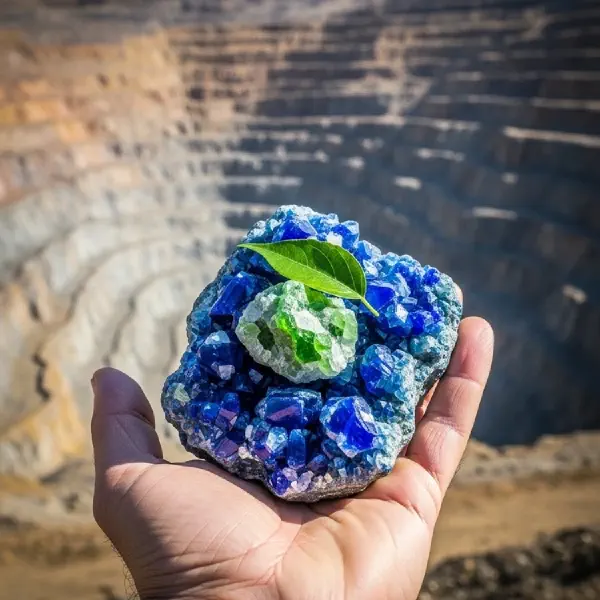
Geological Concentration: The minerals essential for the green transition—lithium, cobalt, nickel, rare earths—are geographically concentrated in a handful of nations, creating new resource dependencies that rival or exceed those of fossil fuels.
Intellectual Property Walls: The race to lead in green technology has produced formidable patent portfolios and proprietary standards, concentrating technological control in a few corporate and national champions and potentially locking in suboptimal paths.
Capital Cascades: Over 95% of global renewable energy investment flows to just 50 countries, with institutional capital consolidating the transition into megaprojects and established players, leaving early-stage innovations and vulnerable regions starved of funding.
Geopolitical Fragmentation: The competition for critical minerals and green technology dominance is fracturing global supply chains into strategic blocs, turning climate policy into a tool of statecraft and trade warfare.
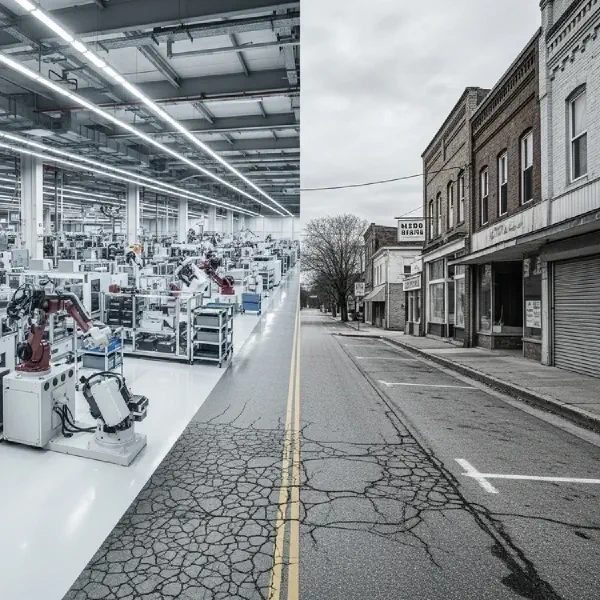
Inequality by Design: The benefits of the green transition are concentrating spatially and socially—in high-tech clusters and wealthy nations—while costs and burdens fall disproportionately on fossil fuel-dependent communities, the Global South, and mineral-extracting regions.
References#
- International Energy Agency. (2023). World Energy Outlook 2023. OECD/IEA.
- International Energy Agency. (2021). The Role of Critical Minerals in Clean Energy Transitions. OECD/IEA.
- Manberger, A., & Johansson, B. (2019). The geopolitics of metals and metalloids used for the renewable energy transition. Energy Strategy Reviews, 26, 100394.
- Lee, J., & Bazilian, M. (2021). Considering critical mineral constraints in renewable energy transitions. Science, 373(6553), 185-186.
- Overland, I. (2019). The geopolitics of renewable energy: Debunking four emerging myths. Energy Research & Social Science, 49, 36-40.
- Meckling, J., & Hughes, L. (2022). The politics of technology bans: Industrial policy competition and green goals. Science, 376(6593), 525-527.
- Van de Graaf, T., & Bradshaw, M. (2018). Stranded wealth: Rethinking the politics of oil in an age of abundance. International Affairs, 94(6), 1309-1328.
- Agrawala, S., & Fankhauser, S. (2021). The economics of climate adaptation. Routledge.
- Carley, S., & Konisky, D. M. (2020). The justice and equity implications of the clean energy transition. Nature Energy, 5(8), 569-577.
- Newell, P., & Mulvaney, D. (2013). The political economy of the ‘just transition’. The Geographical Journal, 179(2), 132-140.