The Seduction of Analogy#
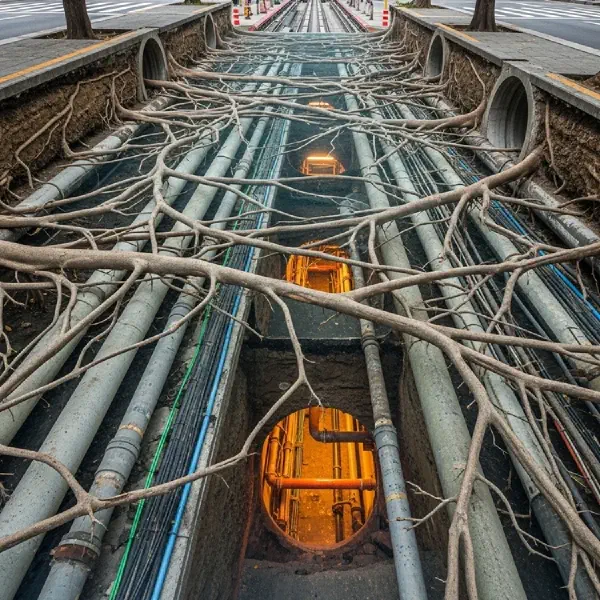
Biomimicry’s power lies analogy—seeing natural patterns human problems. Lotus leaf inspires self-cleaning surfaces. Gecko feet inspire adhesives. Termite mounds inspire climate control. Each analogy reveals possibility: nature solved similar problem, perhaps we can too.
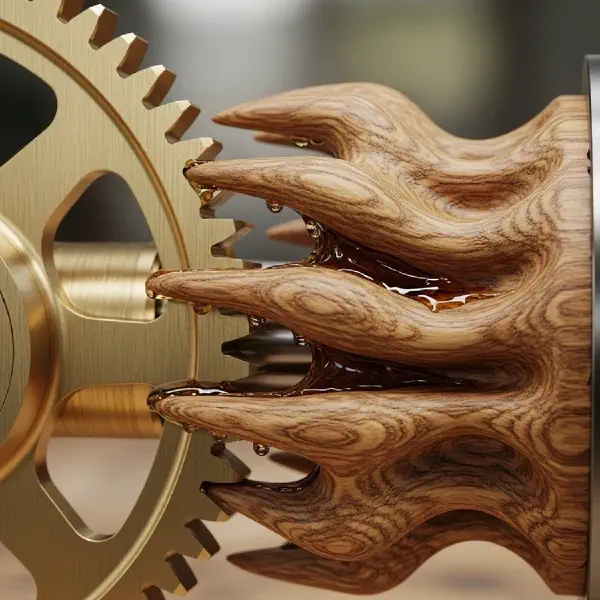
But analogies seductive. They simplify complex systems into digestible stories. They provide confidence—nature’s “proven” solutions. They create emotional connection—working with nature rather against. These qualities make biomimicry compelling but also dangerous. For analogies, while useful, inherently limited. They highlight similarities while obscuring differences. They work best when differences small; break down when differences large.
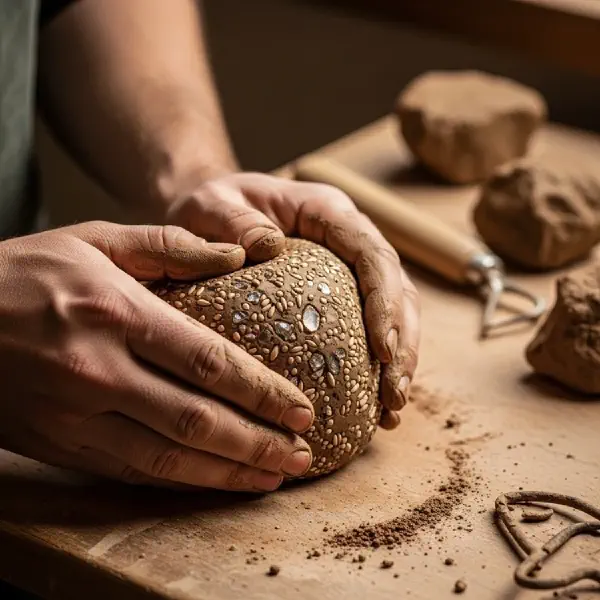
Consider Velcro. George de Mestral, inspired burdock burrs clinging dog fur, invented hook-and-loop fastener. Analogy worked: both involve mechanical attachment. But human Velcro differs burdock: designed specific materials, manufactured scale, used controlled environments. Burr works once, Velcro millions times. Analogy captured essence but ignored scale, durability, manufacturing differences.
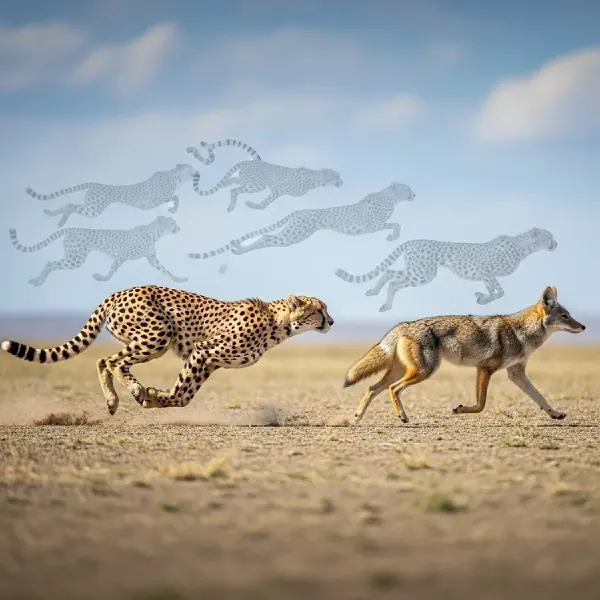
This illustrates biomimicry’s core challenge: nature’s solutions evolved through billions years trial-and-error, operating different constraints than human systems. Natural systems optimize energy, materials, information flows within ecological contexts. Human systems optimize profit, performance, regulatory compliance within economic contexts. Similarities exist but differences often matter more.
The Scale Problem#
Nature operates different scales than human technology. Consider spider silk: strongest material weight, five times steel’s strength. Biomimicry researchers attempt replicating silk’s molecular structure. But spider produces silk room temperature, water solvent, using proteins body produces. Human attempts require toxic solvents, high temperatures, expensive equipment. Result: lab silk costs $100 million per pound versus spider’s free.
Scale differences create fundamental incompatibilities. Bacterial quorum sensing allows thousands bacteria coordinating behavior through chemical signals. Human attempts replicating this wireless communication use expensive sensors, complex algorithms. Bacterial system works because bacteria small, numerous, live short times. Human systems larger, fewer, longer-lived—different economics make bacterial model impractical.
Consider photosynthesis. Plants convert sunlight, water, CO2 into energy with 95% efficiency. Human solar panels achieve 20-25% efficiency. Biomimicry attempts replicating plant’s quantum processes but face quantum mechanics challenges: maintaining coherence at room temperature, scaling from molecular to industrial levels. Plant evolved over millions years within leaf’s constraints; human technology must work global energy system.
These examples reveal biomimicry’s scale limitation: natural processes optimized specific scales. What works leaf may not work factory. What works bacterium may not work building. Attempting direct translation often fails because ignores scale’s fundamental role shaping solution.
The Context Problem#
Natural systems exist within ecological contexts providing resources, constraints, feedback loops. Human systems exist within economic, social, political contexts with different resources, constraints, feedback.
Consider beaver dams. Beavers build dams regulating water flow, creating ponds supporting ecosystems. Biomimicry inspired “living machines”—constructed wetlands treating wastewater. But beaver dams part natural ecosystem: beavers eat trees, create habitat other species, respond seasonal changes. Living machines isolated systems: built specific purpose, maintained humans, disconnected broader ecosystem.
Context differences create challenges. Natural systems self-sustaining; human systems require maintenance. Natural systems evolve; human systems designed. Natural systems part larger wholes; human systems often isolated. These differences mean biomimicry solutions often require significant adaptation working human contexts.
Another example: slime mold Physarum polycephalum solves shortest path problems growing toward food sources, retracting inefficient paths. Researchers used this inspiring algorithms routing networks. But slime mold operates petri dish with simple food sources, no predators, no competition. Real networks have multiple objectives (cost, reliability, security), complex constraints, human users. Analogy captures optimization idea but ignores complexity real-world applications.
This reveals biomimicry’s context limitation: natural solutions evolved specific ecological niches. Human problems exist different niches with different rules. Direct translation often fails because ignores context’s role shaping solution.
The Optimization Problem#
Natural systems optimized different objectives than human systems. Evolution optimizes reproductive success through survival, reproduction. Human systems optimize profit, performance, user satisfaction.
Consider bird flight. Birds achieve remarkable efficiency through wing shape, muscle structure, flight patterns. Aircraft designers studied birds creating more efficient wings, lighter structures. But birds optimize energy per distance flown; aircraft optimize speed, payload, fuel efficiency. Birds fly short distances, land frequently; aircraft fly long distances, stay airborne hours. Different optimization objectives lead different solutions.
Human systems often optimize single metrics: profit, performance, efficiency. Natural systems optimize multiple metrics simultaneously: energy efficiency, structural strength, reproductive success, predator avoidance. This multi-objective optimization creates complex trade-offs human systems rarely consider.
Consider termite mounds. Termites build mounds maintaining constant internal temperature despite external fluctuations. Mound design includes ventilation shafts, insulation, thermal mass. Biomimicry inspired passive cooling buildings. But termite mounds optimize colony survival: temperature regulation supports brood development, fungus cultivation, humidity control. Human buildings optimize energy costs, occupant comfort, construction costs. Different objectives lead different design priorities.
This illustrates biomimicry’s optimization limitation: natural systems solve multi-objective problems with evolutionary timeframes. Human systems solve single-objective problems with engineering timeframes. Solutions may look similar but serve different purposes.
The Ethics Problem#
Biomimicry assumes nature’s solutions inherently good, worthy emulating. But nature contains violence, exploitation, extinction. Should we emulate cuckoo birds laying eggs other species’ nests, leaving foster parents raising young? Or bombardier beetles exploding chemicals defending themselves? Or orchids mimicking female wasps attracting males pollination?
These examples reveal biomimicry’s ethical limitation: nature not moral guide. Natural processes amoral—whatever works evolutionarily succeeds. Human systems operate moral frameworks valuing fairness, sustainability, human rights. Blindly following nature can lead unethical outcomes.
Consider eugenics movement early 20th century, inspired animal breeding improving livestock. Advocates applied same principles humans, leading forced sterilizations, racial purity laws. Analogy worked technically but failed ethically because ignored human moral context.
Modern biomimicry avoids such extremes but still faces ethical questions. Should we emulate ants’ slave-making behaviors corporate raiding? Or wolves’ pack hierarchies organizational structures? Or viruses’ reproductive strategies software design? Each analogy raises questions appropriateness human contexts.
This suggests biomimicry needs ethical framework. Not all natural solutions appropriate human emulation. We need criteria evaluating analogies: sustainability, equity, human well-being. Biomimicry becomes not copying nature but learning nature’s principles within human ethical constraints.
The Innovation Problem#
Biomimicry’s focus natural analogies can limit innovation by constraining thinking existing biological solutions. If problem doesn’t have direct biological analog, biomimicry offers little guidance. This creates paradox: biomimicry most useful when biological analogies exist, but those may be exactly problems where human innovation already explored similar paths.
Consider transportation. Biomimicry inspired bullet trains mimicking kingfisher beaks reducing noise, or bionic cars mimicking boxfish reducing drag. But these incremental improvements rather than fundamental innovations. Electric vehicles, autonomous driving, hyperloop—all came from engineering, physics, computer science rather than biology.
This reveals biomimicry’s innovation limitation: while useful incremental improvements, rarely drives radical innovation. Most transformative technologies (transistor, laser, internet) came from physics, mathematics, human ingenuity rather than biological inspiration. Biomimicry excels refinement but struggles creation.
Some argue this strength rather than weakness. In age where technological possibilities outstrip wisdom applying them, biomimicry provides tested solutions millions years evolution. Rather than inventing scratch, we learn nature’s accumulated wisdom. This conservative approach may appropriate complex, interconnected world where unintended consequences common.
But innovation requires both learning and creating. Biomimicry teaches us nature’s patterns but doesn’t teach us transcending them. For problems without biological precedents—climate engineering, artificial intelligence, space colonization—we need human creativity. Biomimicry can inform these efforts but cannot replace them.
Toward a Mature Biomimicry#
These limitations don’t invalidate biomimicry but suggest need more sophisticated approach. Rather than seeking direct analogies, biomimicry should seek principles underlying natural solutions. Instead copying specific mechanisms, understand design strategies nature uses.
Janine Benyus, biomimicry pioneer, identifies six principles: nature runs solar energy, uses only energy needs, fits form function, recycles everything, rewards cooperation, banks diversity. These principles transcend specific analogies, providing framework human innovation.
This principle-based approach allows biomimicry scaling different contexts. Solar energy principle applies whether designing building or computer chip. Recycling principle applies whether managing waste or designing materials. These principles flexible enough applying diverse human problems while grounded nature’s wisdom.
Another approach combines biomimicry other methodologies. Bio-inspired design integrates biomimicry with engineering, materials science, computer modeling. This allows testing biomimicry ideas human constraints before implementation. Living labs—real-world experiments biomimicry solutions—provide feedback refining approaches.
Biomimicry also benefits interdisciplinary collaboration. Biologists, engineers, designers, ethicists working together ensure biomimicry solutions technically feasible, ethically sound, economically viable. This prevents biomimicry becoming biologist-led rather than problem-led.
Finally, biomimicry needs humility. Nature’s solutions impressive but not perfect. Evolution produces kludges, compromises, dead ends. Human systems can sometimes improve nature’s designs—consider telescopes seeing farther than eyes, airplanes flying faster than birds. Biomimicry should inspire us, not limit us.
The Promise Beyond the Limits#
Despite limitations, biomimicry offers unique value human innovation. By studying life 3.8 billion years, we access knowledge base far larger than human experience. This allows us discovering patterns we might otherwise miss, solving problems with unprecedented elegance.
Consider synthetic biology. By understanding natural genetic circuits, researchers design bacteria producing insulin, biofuels, materials. Here biomimicry not copying but composing—using nature’s building blocks creating new capabilities.
Or consider materials science. Studying abalone shells’ nacre (mother-of-pearl), researchers create stronger, tougher composites. By understanding hierarchical structures, they design materials combining strength, lightness, fracture resistance.
These examples show biomimicry’s potential when used principles rather than analogies, when combined other disciplines, when applied humility. Rather than seeing nature as source direct solutions, we see it as source inspiration, patterns, principles we adapt human needs.
Ultimately, biomimicry reminds us we part larger web life. Our innovations don’t occur vacuum but within biosphere shaped billions years evolution. By learning nature’s lessons, we create technologies not just efficient but sustainable, not just powerful but harmonious.
The limits of analogy teach us biomimicry not about copying nature but learning from it. It’s not about finding perfect matches but discovering deeper patterns. It’s not about replacing human ingenuity but augmenting it. In doing so, biomimicry helps us create future not just technologically advanced but biologically informed—one where human innovation respects, learns from, enhances natural world rather than dominating it.
For all its limitations, biomimicry offers path forward. Not perfect path, but path grounded reality life’s persistence. In world of accelerating change, that grounding may be exactly what we need—not answers all questions, but framework asking better ones.