The Cheetah’s Dilemma#
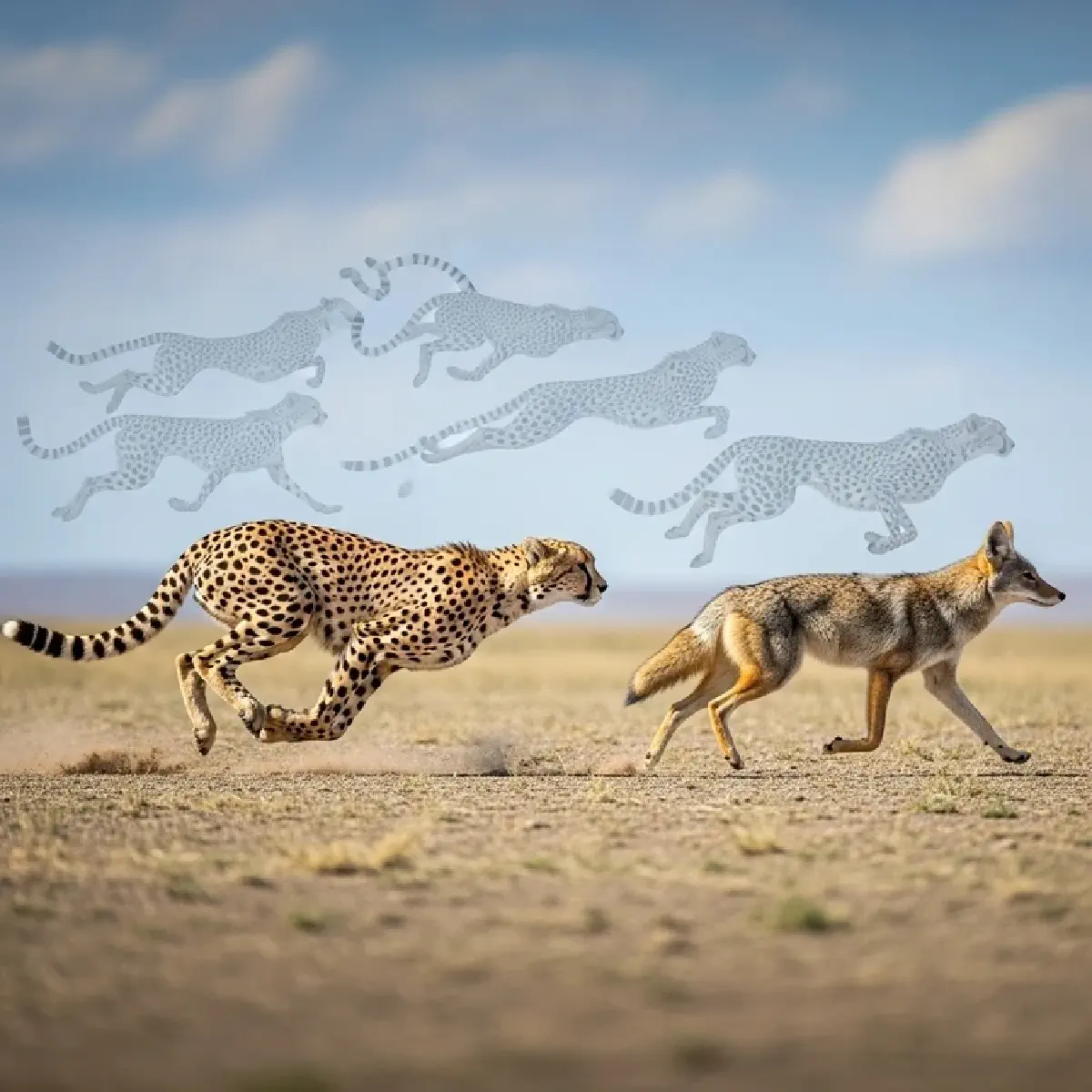
The cheetah is evolution’s masterpiece of optimization for single variable: speed. Lightweight skeleton (12% body weight versus 20% in lions), enlarged nostrils, non-retractable claws—every adaptation serves acceleration. Result: 0 to 60 mph in three seconds, top speed 70 mph. But peak performance comes at cost. Cheetahs lack strength defending kills. Slender build suffers in cold. Specialized diet makes vulnerable to prey swings. Perfectly adapted for niche—until niche changes. Then peak performer becomes endangered, only 7,100 adults remaining.
Contrast coyote, North America’s ultimate generalist. Neither fastest (43 mph) nor strongest (20-50 pounds), coyotes thrive Alaska to Panama, forests to cities. Eat everything rodents to garbage. Hunt alone or packs. Adjust breeding based on food availability. Not optimized for any condition but maintains capacity adapting to many. While specialists decline, coyote populations expand, 2-3 million across North America.
This trade-off between peak performance and adaptive capacity defines design choice. Human systems increasingly favor cheetah model: athletes optimized for events, corporations for quarterly earnings, supply chains for efficiency, algorithms for engagement. These excel under stable conditions but falter when conditions change. Biological systems, tested through extinctions and climate shifts, often favor coyote model: adequate performance across varied conditions rather than excellence in narrow ones.
The Economics of Generalism#
In 1975, evolutionary biologist Richard Levins formulated “jack-of-all-trades” theorem: generalist performing moderately well across environments outcompetes specialists when environments vary unpredictably. Mathematics straightforward: specialists excel preferred environment but suffer elsewhere; generalists maintain moderate performance everywhere. As environmental variation increases, generalist’s consistent moderate returns outperform specialist’s variable high-and-low.
Human economic systems largely ignored this, pursuing extreme specialization. Adam Smith’s pin factory celebrated division where workers specialized single tasks. David Ricardo’s comparative advantage justified national specialization. This boosted productivity but created vulnerability. When COVID-19 disrupted supply chains, countries discovered lacking capacity producing essential goods offshored.
Some regions rebuild generalist capacity. EU’s “strategic autonomy” aims self-sufficiency critical sectors pharmaceuticals, batteries, clean technology. Japan’s “China plus one” diversifies manufacturing beyond single-country dependence. These aren’t trade rejections but recognitions overspecialization creates systemic risk—like forest with one tree species vulnerable single pest.
At individual level, “T-shaped professional” balances specialization with generalization: deep expertise one area (vertical bar) with broad understanding across many (horizontal). This mirrors biological generalists like raccoons (specialized paws, generalized diet). Companies like IDEO seek T-shaped designers combining deep craft with interdisciplinary collaboration. Model recognizes innovation often happens intersections rather within specialties.
Generalists pay measurable costs for flexibility. Coyote’s digestive processes diverse foods but extracts less energy from each than specialist’s would. Human brain’s plasticity comes extended childhood and high energy consumption. Flexible manufacturing typically has higher capital costs than dedicated lines. These are prices of adaptability—investments capacity rather than immediate performance.
Human systems often avoid costs through just-in-time maximizing efficiency but eliminating slack. 2021 semiconductor shortage revealed trade-off: chip manufacturers optimized production specific, high-demand chips but lacked flexibility shifting when pandemic disrupted patterns. By contrast, Toyota’s production system—often misunderstood purely lean—maintains flexible capacity through cross-trained workers and adaptable equipment, allowing rapid model changes.
Military calls this “adaptive capacity” versus “specific capability.” F-35 fighter represents peak performance: stealth, sensors, networking optimized specific combat scenarios. But complexity makes maintenance difficult, upgrades expensive. A-10 Warthog—less advanced but simpler, more durable, easier maintaining—served 45 years through multiple conflict types. Latter embodies defense analyst Andrew Marshall’s “robustness through simplicity”—adequate capability across many scenarios rather than excellence few.
Balance depends predictability. Stable environments, specialists win. Variable environments, generalists win. As disruption frequency increases, economic advantage may shift toward generalism. This doesn’t mean abandoning specialization but balancing with resilience scholar Brian Walker’s “generalized resources”—backup capacities allowing adaptation when primary systems fail.
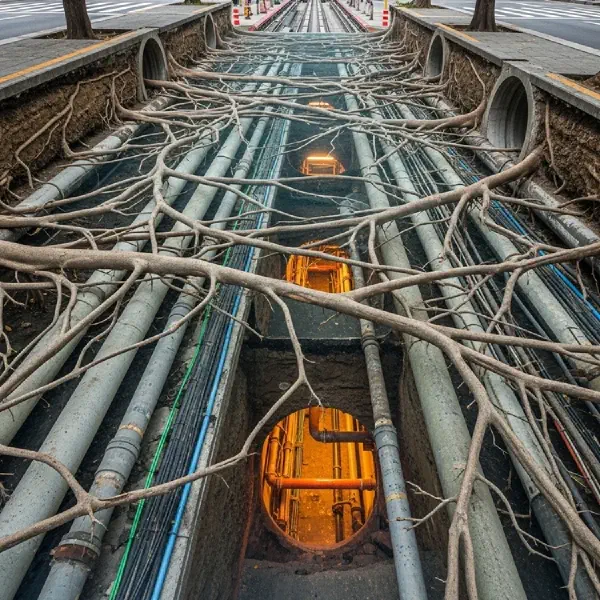
The Architecture of Adaptability#
Biological systems achieve adaptability through modularity—semi-independent units rearrangeable. Protein domains combine different configurations creating new functions. Gene regulatory networks allow same genes producing different body plans. This enables evolutionary biologist Sean B. Carroll’s “tinkering”—modifying existing structures new purposes rather than designing scratch.
Human systems adopt modular design. Smartphone essentially module platform: camera, processor, battery, screen upgradeable independently. IKEA furniture uses standardized connectors allowing infinite configurations. Modular construction (prefabricated units assembled site) reduces waste and enables adaptability needs change.
Insight: modularity trades peak performance for adaptability. Integrated designs (Apple’s unibody laptops) can be lighter, stronger but harder repairing, upgrading. Modular designs (Framework laptops swappable components) may be slightly heavier but allow user upgrades, repairs. Choice reflects values: disposability versus longevity, planned obsolescence versus continuous adaptation.
Cities exhibit similar trade-offs. Traditional mixed-use neighborhoods small blocks (Barcelona’s Eixample) allow incremental change—buildings adapt needs evolve. Modern single-use zoning superblocks creates efficiency but rigidity—when conditions change, entire areas become obsolete. Former represents modular urbanism; latter, integrated.
Most adaptable systems combine modularity multiple scales. Internet’s protocol stack (physical, data link, network, transport, application layers) allows innovation one layer without disrupting others. Similarly, biological hierarchies (molecules, cells, tissues, organs) allow evolution one level while maintaining function others. This creates systems theorist Herbert Simon’s “nearly decomposable systems”—connected enough cooperating, independent enough adapting.
Biological systems maintain redundancy—multiple ways achieving essential functions. Human body has two kidneys, duplicate genes, alternative metabolic pathways. Ecosystems multiple species performing similar roles (functional redundancy). This seems wasteful until failure occurs, when becomes essential.
Human engineering typically eliminates redundancy inefficiency. Aircraft design until 1950s used single-load-path structures where failure one component caused catastrophic failure. Modern aircraft use multiple load paths fail-safe design—redundancy adding weight but preventing crashes. Boeing 787 has six generators where previous models four, recognizing electrical systems now perform flight-critical functions.
Concept “slack”—excess capacity allowing adaptation—appears various domains. Project management critical chain builds buffers schedules rather than optimizing every task. Manufacturing Toyota maintains “heijunka” (production leveling) capacity handling demand fluctuations. Personal life calendar whitespace allows response unexpected opportunities crises.
COVID-19 pandemic revealed slack’s value. Hospitals surge capacity adapted better than running 95% occupancy. Companies cash reserves survived longer than optimized quarterly returns. Countries diversified supply chains weathered disruptions better than dependent single sources. Each case, what seemed inefficiency before crisis became essential during.
Design challenge lies determining optimal slack levels. Too little creates fragility; too much wastes resources. Biological systems achieve balance evolutionary testing. Human systems must achieve foresight values. As variability increases, optimal slack levels may rise—what once wasteful may become prudent.
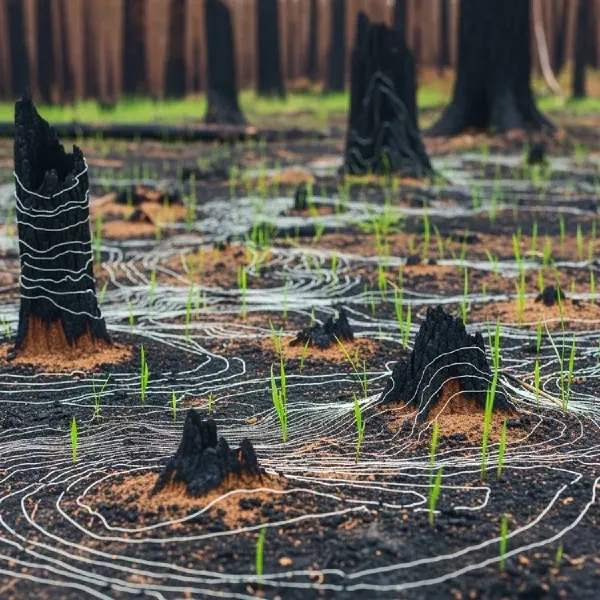
From Efficiency to Resilience#
Modern corporation emerged Industrial Revolution, optimized efficiency specialization, standardization, scale. This produced wealth but created fragility. As disruption frequency increases, some organizations shift efficiency optimization resilience building.
Haier’s “rendanheyi” replaces hierarchical departments self-organizing micro-enterprises responding directly customer needs. Model sacrifices some economies scale faster adaptation. Similarly, Spotify’s “squad” organizes missions rather functions, squads autonomy achieving objectives. These prioritize responsiveness over efficiency.
Measurement systems must shift accordingly. Traditional accounting measures efficiency (return investment, asset turnover). Resilience requires different metrics: redundancy levels, response times disruption, portfolio diversity. McKinsey advises clients measuring “resilience ROI” alongside financial ROI—recognizing investments adaptability have value even reducing short-term efficiency.
Balance point varies industry. Commodity businesses stable demand (utilities, basic materials), efficiency remains paramount. Innovation-driven businesses (technology, pharmaceuticals), adaptability matters more. Mistake occurs applying one model universally—when utilities ignore adaptability or tech companies ignore efficiency.
Peak performance assumes known future toward which optimize. Adaptive capacity assumes multiple possible futures prepare. Scenario planning, developed Royal Dutch Shell 1970s, creates multiple plausible futures tests strategies each. This doesn’t predict future but prepares multiple possibilities.
Some organizations build multi-future capacity structure. Amazon’s “two-pizza teams” (small enough fed two pizzas) operate autonomy pursuing opportunities without central approval. Company’s “Day 1” philosophy emphasizes maintaining startup-like adaptability rather becoming “Day 2” company optimized existing conditions.
Military concept “VUCA” (volatility, uncertainty, complexity, ambiguity) describes environments single-future planning fails. Special Operations train “adaptive planning”—developing multiple courses action switching between as conditions change. This recognizes complex environments, plan always wrong; what matters capacity adapting plan.
Designing multiple futures requires maintaining strategist Rita McGrath’s “options reserve”—investments preserving future possibilities. Apple’s development both ARM Intel chip expertise allowed shifting Macs Apple Silicon conditions changed. Netflix’s simultaneous development streaming DVD businesses allowed dominating former emerged. These weren’t efficiency decisions but adaptability decisions—paying premiums keeping options open.
Cheetah runs breathtakingly fast savanna, blur optimization. Coyote trots steadily through forest, desert, suburb, adapting pace terrain. One represents beauty perfect adaptation specific moment. Other represents wisdom adequate adaptation across many moments. As world becomes less stable savanna more changing terrain, we might learn trot as well sprint—from capacity keeping going conditions change, even never reaching absolute peak possible single condition. For long run, what matters may not how high peak but how broadly adapt—not maximum performance but minimum viable performance across widest range futures.