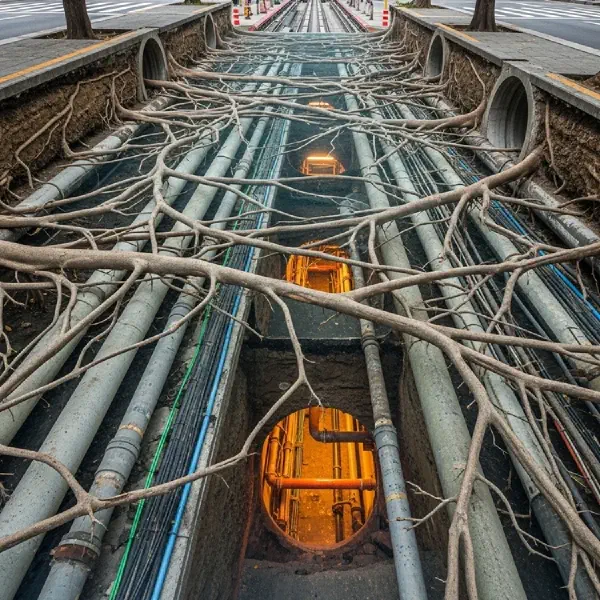
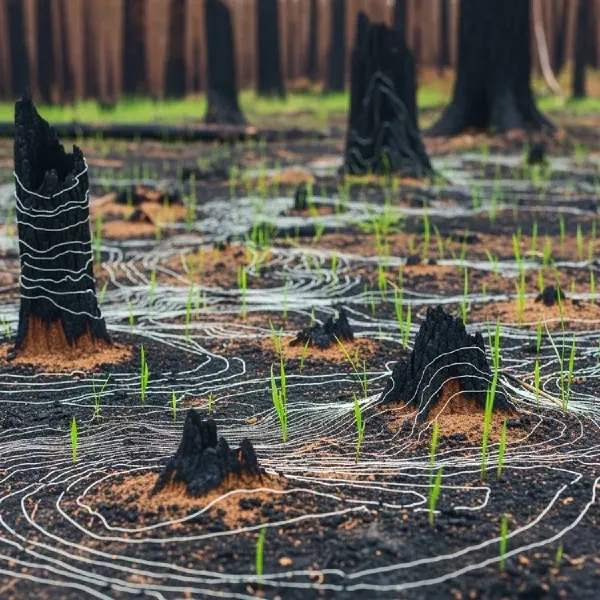
Biological systems prioritize adequacy over perfection, finding solutions that work sufficiently well given constraints of energy, materials, and time.
Failure in nature serves as information, triggering adaptation and regeneration rather than being avoided at all costs.
Circular economies are the norm in biology, where waste becomes input, creating systems without disposal categories.
Local adaptation to place-specific conditions produces resilient designs that work with rather than against environmental constraints.
Complex order emerges from simple rules and local interactions, without centralized blueprints or top-down control.
Adaptive capacity often trumps peak performance, with generalist strategies outperforming specialists in variable environments.
Biomimicry has boundaries; not all biological solutions transfer to human contexts due to temporal, material, and ethical incompatibilities.