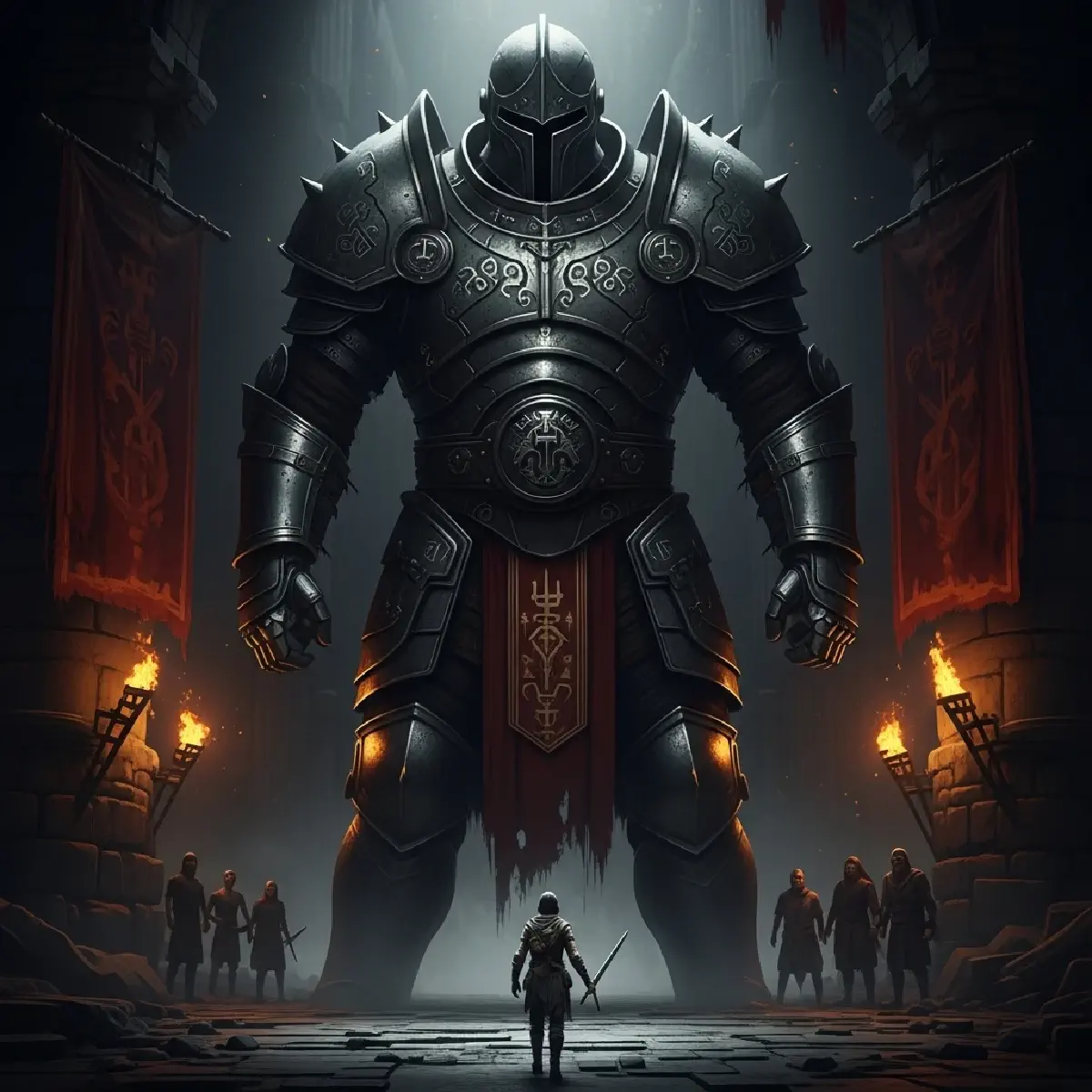
Standing Closer to Power#
When fear saturates a society, proximity to authority becomes a perceived asset. People do not merely obey; they reposition themselves. They stand closer, speak louder in praise, and adopt the language of power. The logic feels intuitive: danger radiates outward, so safety must lie near the source.
This intuition is wrong, yet persistent. Humans routinely misinterpret violent authority as selective rather than expansive. They assume power distinguishes carefully between loyal and disloyal, between useful and expendable. Alignment is treated as a contract. It is not.
The fantasy of exemption does not emerge from ignorance. It emerges from anxiety. When outcomes feel uncontrollable, the mind searches for levers, even illusory ones. Applause, visible loyalty, and public enthusiasm become symbolic levers—actions that feel consequential because inaction feels fatal.
Alignment as a Cognitive Shortcut#
Under threat, cognitive bandwidth shrinks. Moral reasoning gives way to pattern recognition. Authority becomes the dominant pattern. Aligning with it reduces uncertainty by simplifying the world into binary categories: with us or against us.
This simplification is psychologically efficient. It eliminates nuance and the burden of judgment. Once aligned, individuals no longer ask whether an act is right. They ask whether it is endorsed. Responsibility migrates upward. Relief follows.
Behavioral studies repeatedly show that people overvalue signals of belonging under stress. Visible alignment feels protective because exclusion is perceived as lethal. The crowd reinforces this belief. When many align, alignment appears rational, even inevitable.
What is missed is that alignment is not evaluated once. It is evaluated continuously. And each evaluation tightens standards.
The False Promise of Loyalty#
The core error behind the illusion of exemption is treating loyalty as cumulative. People believe past approval earns future protection. In reality, violent systems value immediacy, not memory. Yesterday’s applause carries no credit.
In the Assyrian Empire, loyalty was demonstrated publicly and repeatedly. Subjects praised victories, admired punishments, and internalized terror as civic virtue. Yet when political or military pressure shifted, previously loyal cities were destroyed without hesitation.
The system did not betray loyalty. It ignored it. Terror had already been normalized. Once normalized, it required no justification. The criteria for safety were not moral but operational: usefulness, convenience, and signal value.
Loyalty failed because it was never the currency being exchanged. What power sought was compliance and spectacle, not mutual obligation.
How Alignment Erodes Self-Protection#
Ironically, alignment undermines the very self-preservation it seeks to secure. By endorsing violence, individuals help dismantle the social norms that might later protect them. They weaken taboos against excess. They legitimize escalation.
Over time, aligned individuals lose the ability to object credibly. Their past approval becomes a trap. To protest later is to admit error. Silence becomes safer than reversal. The system interprets silence as consent.
This is how terror turns indiscriminate without resistance. Not because people fail to see danger, but because they have already argued—publicly and repeatedly—that danger is acceptable.
The illusion of exemption collapses quietly. There is no moment of revelation, only a narrowing of margins. Safety shrinks. Requirements multiply. Eventually, alignment becomes impossible to maintain.
Why the Fantasy Persists#
Despite historical repetition, the fantasy endures because it feels adaptive in the short term. Alignment can delay harm. Delay is mistaken for prevention. Survival for another day is taken as proof of strategy.
Human cognition is poorly equipped to assess long-term systemic risk under immediate threat. People optimize for the next checkpoint, not the end state. Violent systems exploit this bias. They reward early alignment just long enough to encourage deeper complicity.
By the time the cost becomes undeniable, the tools for resistance are gone. Moral language has been hollowed out. Social trust has eroded. Fear has become ambient.
The illusion of exemption does not fail because people are foolish. It fails because it asks power to behave in ways power never does. Power expands until constrained. Applause removes constraints.
Alignment may feel like standing behind the shield. In reality, it is standing inside the machine—hoping it will stop before it reaches you.