The Decline of the Consumer Durable#
In the saturated markets of developed nations, the mere presence of functionality is no longer a competitive advantage. Consumers select from arrays of near-identical products with near-identical prices, moving their decision-making criteria from “need” to “desire”. This shift necessitates the integration of industrial design at the earliest stages of the engineering process. Desire has effectively replaced need as the primary engine driving modern material innovation.
The Architecture of the Requirements Pyramid#
Value is determined by a three-tiered hierarchy where functionality forms the base, usability the middle, and satisfaction the apex. Engineering must satisfy all three to achieve a successful product character.
The Base of Functional Integrity#
At its most fundamental level, a product must support its loads, contain its pressures, and resist its environment. Mechanical design ensures the object is safe and economical while providing the “physiological” bones of the system. In high-tech sectors, material performance is prioritized over cost, allowing for the use of exotics like titanium or carbon fiber. For example, the 7150 aluminum alloy ($E = 70$ GPa or $10.1 \times 10^6$ psi) provides the necessary stiffness for aerospace frames while maintaining low density.
The Middle Tier of Intuitive Usability#
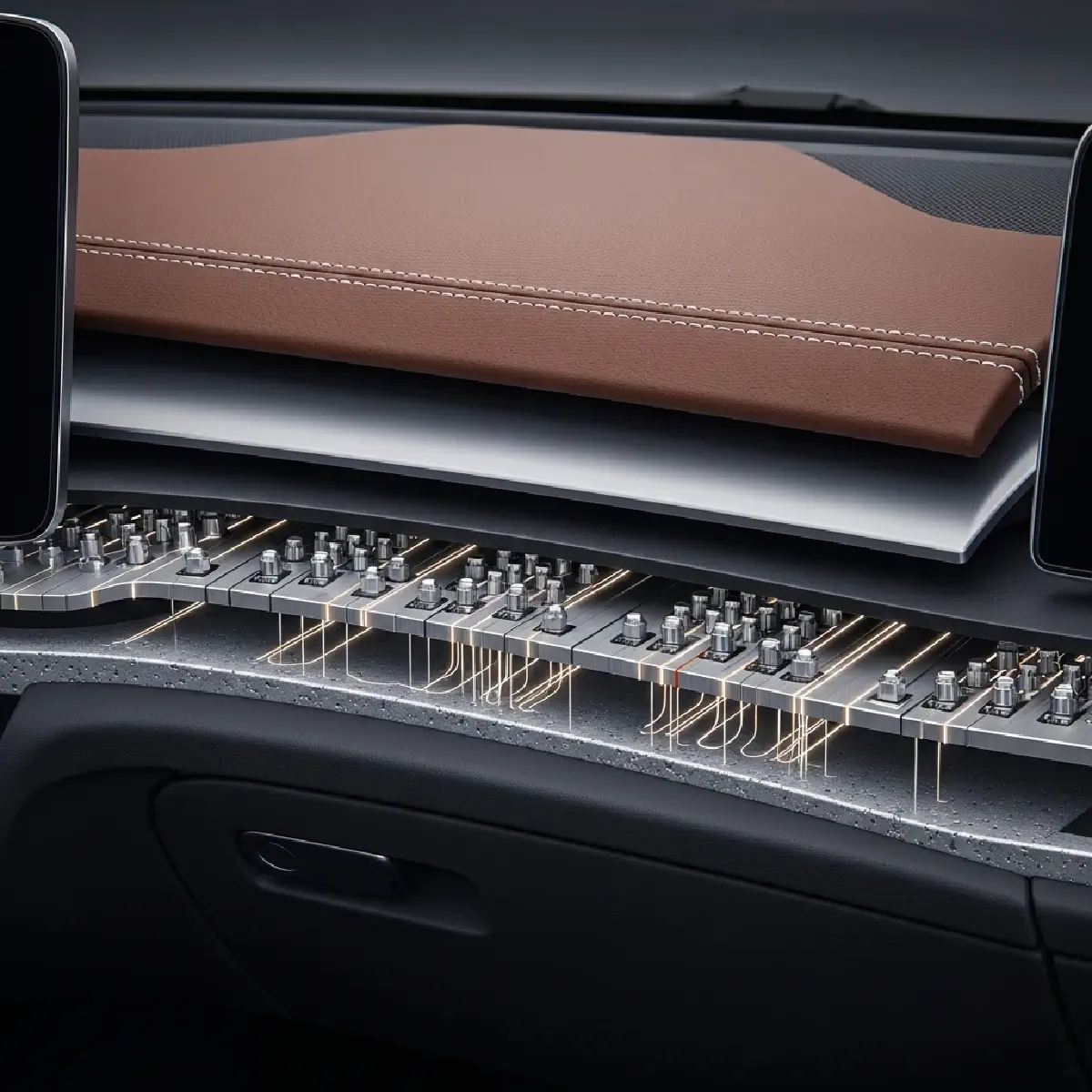
Usability concerns the interaction between the product and the user’s sensory and motor functions. A successful interface communicates the state of the product through visible, audible, or tactile feedback. Inclusive design ensures that products are accessible to the widest possible spectrum of the population, including the elderly and those with limited motor skills. Materials that offer superior grip or intuitive color-coding play a critical role in reducing the cognitive load on the user.
The Apex of Human Satisfaction#
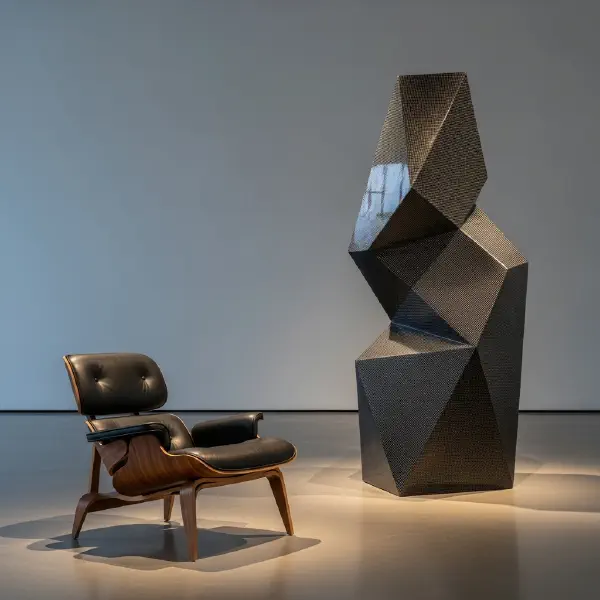
Satisfaction is the most abstract requirement, rooted in the pleasure derived from aesthetics and personality. A designer creates a “product personality” by manipulating perceptions—such as making an object appear aggressive, friendly, or futuristic. For instance, a desk lamp designed for an executive may use heavy cast iron bases and angular steel frames to signal stability and professional efficiency. A similar lamp for a child might use translucent acrylic and organic forms to create a playful, cheerful character.
The Systemic Cascade of Perception#
The choice of material and process ultimately imbues a product with a soul that reflects the manufacturer’s values. As the industry shifts toward service provision—selling “power by the hour” rather than jet engines—the priorities for material selection change. In these systems, reliability, ease of reconditioning, and standardization become the new drivers for “6-sigma” quality. The industrial mind must now engineer satisfaction not just for the moment of purchase, but for the entire life-cycle of the service.