Post 3: Honorific Waste and the Sabotage of Utility#
The Prestige of the Unnecessary#
In a 19th-century forge shop, employees were observed working only six hours to reach a self-imposed production quota, spending the remaining two hours in idleness to avoid triggering a piece-rate cut from management. This “restriction of output” is an act of industrial sabotage motivated by a sense of inequity. Veblen famously noted that in industrially advanced communities, the margin for “wasteful consumption” often exceeds 50% to 75% of the total product. Companies exploit this by producing goods whose commercial value is comprised of “honorific” elements rather than material serviceability. This concluding post analyzes how the drive for “pecuniary beauty” sabotages economic utility and creates a “Spite Premium” that society pays to satisfy the urge to level down.
The Prestige of Waste#
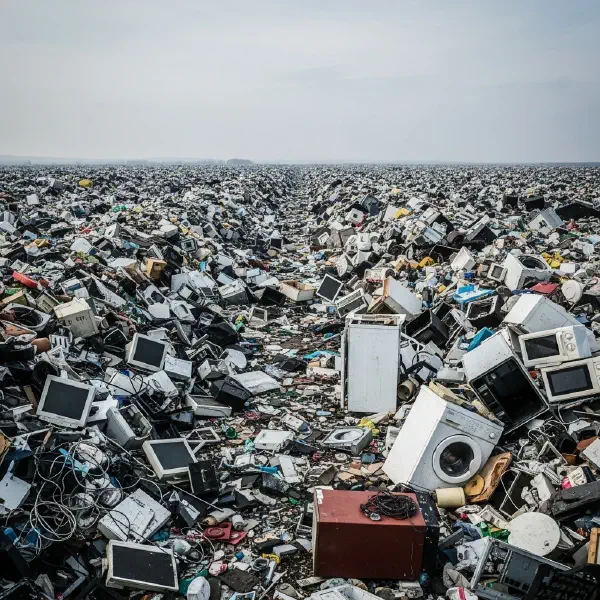
According to Veblen’s “canon of expensiveness,” a beautiful article that is not expensive is often accounted not beautiful. Hand-wrought silver is valued more than machine-made silver because it is a more wasteful method of production, and thus better evidence of “pecuniary reputability”. Companies direct their efforts toward this “honorific finish,” adding features that increase the cost without increasing practical serviceability. This is the “Genius of Waste”: articles which are unnecessarily expensive are considered more desirable because they demonstrate the owner’s “ability to sustain large pecuniary damage without impairing their superior opulence”.
The Deservingness Trap#
In modern marketing, “Brand Malicious Envy” is triggered when consumers perceive low economic mobility. If a “top dog” brand is successful but does not engage in “redistribution” (charity), it is viewed as undeserving of its achievements. Consumers then engage in “money burning”—willingly paying a personal cost to reduce the earnings of the brand. To counter this, successful firms resort to “conspicuous compassion” to prove they “care,” thereby buying off the threat of the “evil eye”. Yet, this sharing is often symbolic; the “Spite Premium” is paid when a substantial minority of participants (14–18%) preferred a policy that taxed the rich at 50% even if it delivered half the total aid to the poor, simply to satisfy the urge to level down.
The Sabotage of Utility#
The “Invidious Engine” ultimately leads to a “sabotage of utility”. Because labor markets are emotional systems, workers with “interdependent preferences” withdraw effort when they observe a rival’s superior outcome. Management often implements “wage compression,” paying the best workers less than their marginal product to subsidize higher-than-merit wages for low-ranked members, effectively “bribing” the bottom of the hierarchy to prevent the entire group from “unraveling” through a “domino effect”. This ensures stability but at the cost of aggregate industrial efficiency.
Designing for Workmanship, Not Spite#
The evidence across this series proves that envy is a persistent economic variable that distorts our perception of reality and justice. Companies have mastered the art of “psychological arbitrage,” leveraging the pain of comparison to drive the consumption of honorific waste. “So what?"—this multidisciplinary analysis demands that we decouple poverty alleviation (compassion) from wealth punishment (envy). For the consumer, the path out of the “envy trap” lies in “incremental thinking”—focusing on things over which one has control rather than the status markers of others. Future progress requires channeling the “calculus of comparison” toward the “instinct of workmanship” and the common good, rather than the unachievable end of material equity.