The Geometry of Power: Shaping Behavior Through Design

Key Insights
#

  • Architectural design can enforce social hierarchies and control behavior.
  • Open-plan offices may reduce privacy and increase surveillance, impacting productivity.
  • Spatial arrangements influence social interactions and organizational dynamics.
  • Understanding the geometry of power aids in creating equitable and effective environments.
  • Design choices reflect and reinforce societal power structures.

References
#

  1. Bernstein, E. (2012). The transparency paradox: A role for privacy in organizational learning and operational control. Administrative Science Quarterly, 57(2), 181–216. https://doi.org/10.1177/0001839212453028

  2. Bodin Danielsson, C., & Theorell, T. (2019). Office employees’ perception of workspace contribution: A gender and office design perspective. Environment and Behavior, 51(9), 995–1026. https://doi.org/10.1177/0013916518768210

  3. De Botton, A. (2008). The architecture of happiness. Vintage Books.

  4. Foucault, M. (1977). Discipline and punish: The birth of the prison (1st American ed.). Pantheon Books.

  5. Foucault, M. (2008). “Panopticism” from Discipline & Punish: The Birth of the Prison. Race/Ethnicity: Multidisciplinary Global Contexts, 2(1), 1–12.

  6. Heffernan, F. (2024). Modern cities as material expressions of power: Interrogating politics and design in Paris, Algiers, and Vienna. The Urban Equity Institute.

  7. Mather, W. G. (1971). Territoriality, proxemics, and housing. (National Bureau of Standards Report No. NBSIR 71-372). U.S. Department of Commerce, National Bureau of Standards.

  8. Newman, O. (2010). Newman, Oscar: Defensible space theory. In F. T. Cullen & P. Wilcox (Eds.), Encyclopedia of criminological theory (pp. 666–670). SAGE Publications.

  9. Pouwels, A. (2020). Open plan offices - The new ways of working The advantages and disadvantages of open office space. European Parliament Policy Department for Budgetary Affairs.

  10. Wright, A. J. (2025). Are open-plan offices just fancy panopticons? Untypicable.

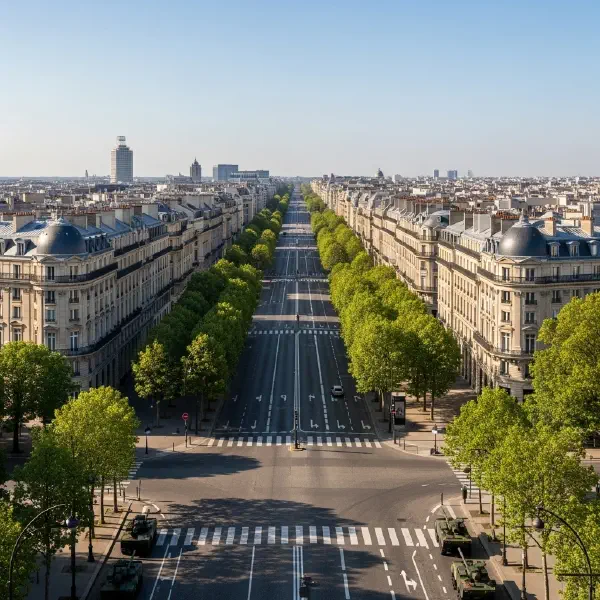
The Geometry of Power – Part 4: The Urban Blueprint: How City Design Materializes Political Control

The intricate layout of city streets and architectural structures serve as material expressions of power, shaping behavior, movement, and social order. Theorists emphasize that power is relational and spatial, working by shaping behavior and limiting freedom through the specific organization of space. Urban design f...

The Geometry of Power – Part 3: Architecture of the Self: Territoriality and Psychological Sanctuaries

The spaces humans inhabit profoundly shape behavior and psychological states, often working silently beneath our conscious awareness. Beyond utility, the environment communicates with its occupants, influencing emotional weight, focus, and security,. The layout of a room, the quality of light, and the texture of mat...

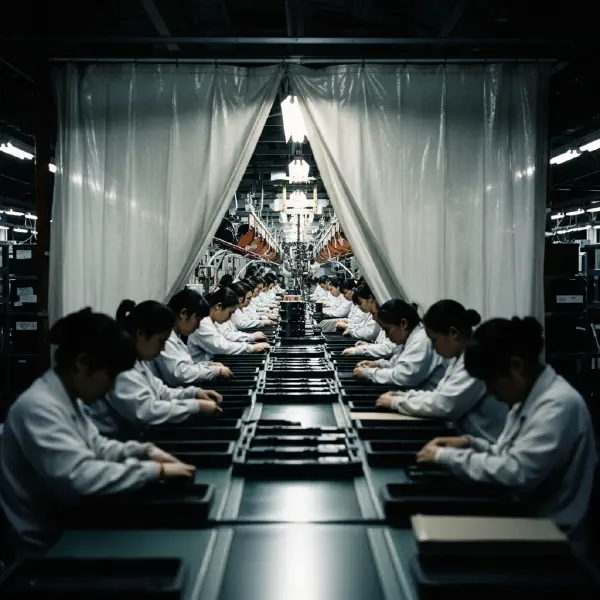
The Geometry of Power – Part 2: The Transparency Paradox: Why Privacy Boosts Productivity

The contemporary quest for productivity often relies on a "gospel of transparency," assuming that continuous and accurate observability of work activities is the foundation for both operational control and organizational learning,. Organizations frequently implement visible systems like open workspace designs or rea...

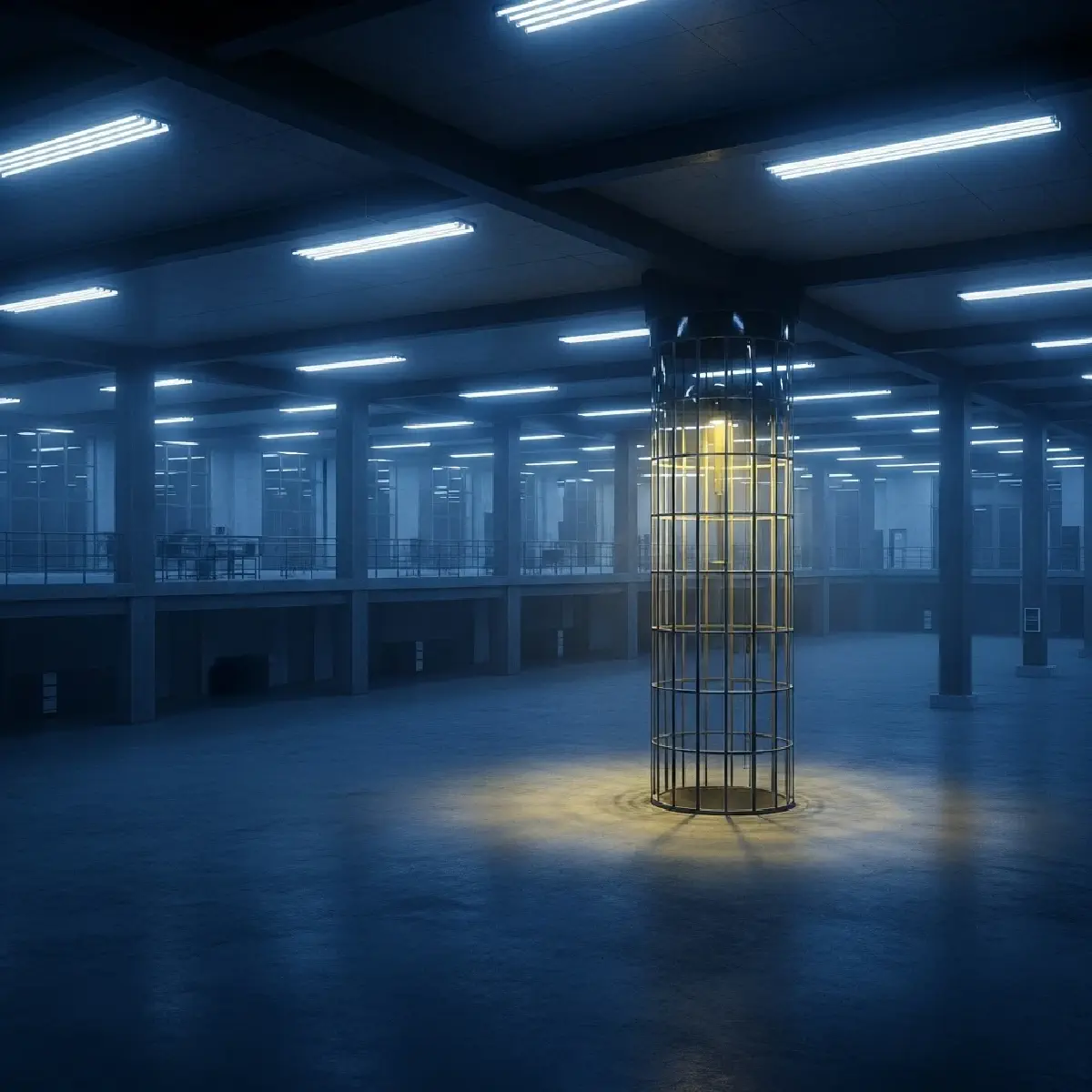
The Geometry of Power – Part 1: The Open Office and the Panoptic Gaze

The open-plan office is often presented as the embodiment of modern organizational virtues, promising collaboration, creativity, and egalitarianism. This design, however, frequently delivers the opposite results, cultivating distraction, anxiety, and a debilitating pressure to appear productive. The shift away from ...