Key Insights
# Envy drives both cooperation and conflict in economic systems Fairness perceptions are crucial for organizational performance Status competition creates significant welfare losses Political systems often institutionalize envious preferences Understanding envy is essential for effective economic policy Related Content
# References
# Frank, R. H. (1985). The demand for unobservable and other positional goods. The American Economic Review , 75(1), 101-116. Hirsch, F. (1976). Social Limits to Growth . Harvard University Press Layard, R. (2005). Happiness: Lessons from a New Science . Penguin Press. Sen, A. (1992). Inequality Reexamined . Harvard All Analysis
Series
Single Posts
9 March 2019 · 526 words · 3 mins
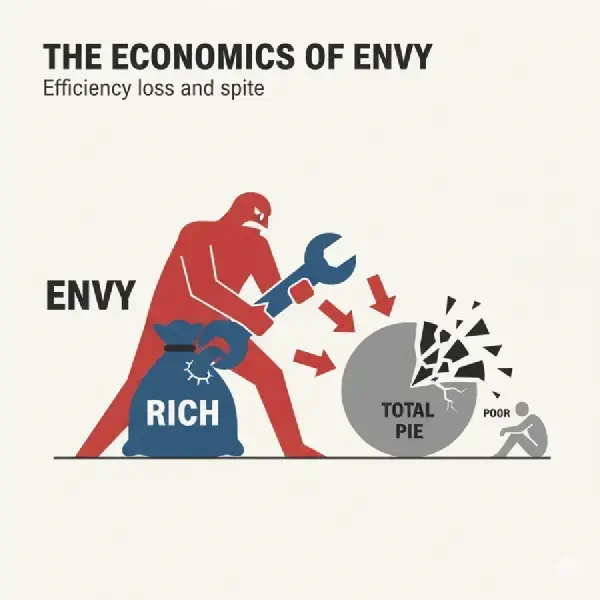
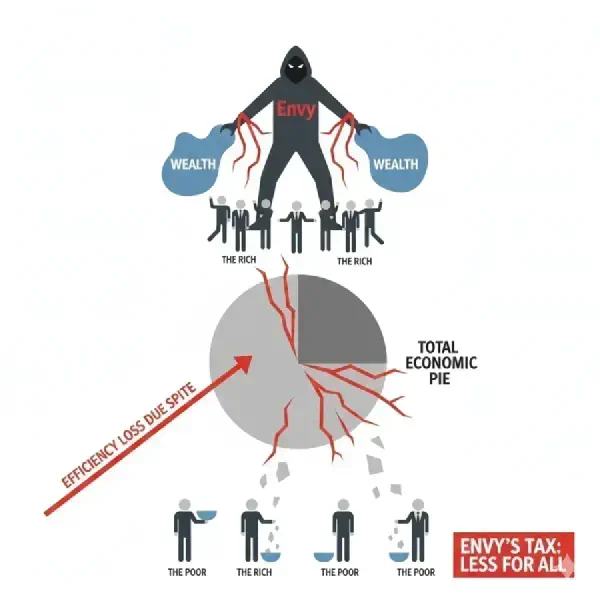
We analyze the Wealthy-Harming Preference (WHP), quantifying how spiteful envy drives support for economically inefficient tax policies.
8 March 2019 · 617 words · 3 mins
We analyze the historical proscription of envy and quantify its modern role as a hidden, punitive driver of demand for wealth redistribution.
7 March 2019 · 661 words · 4 mins
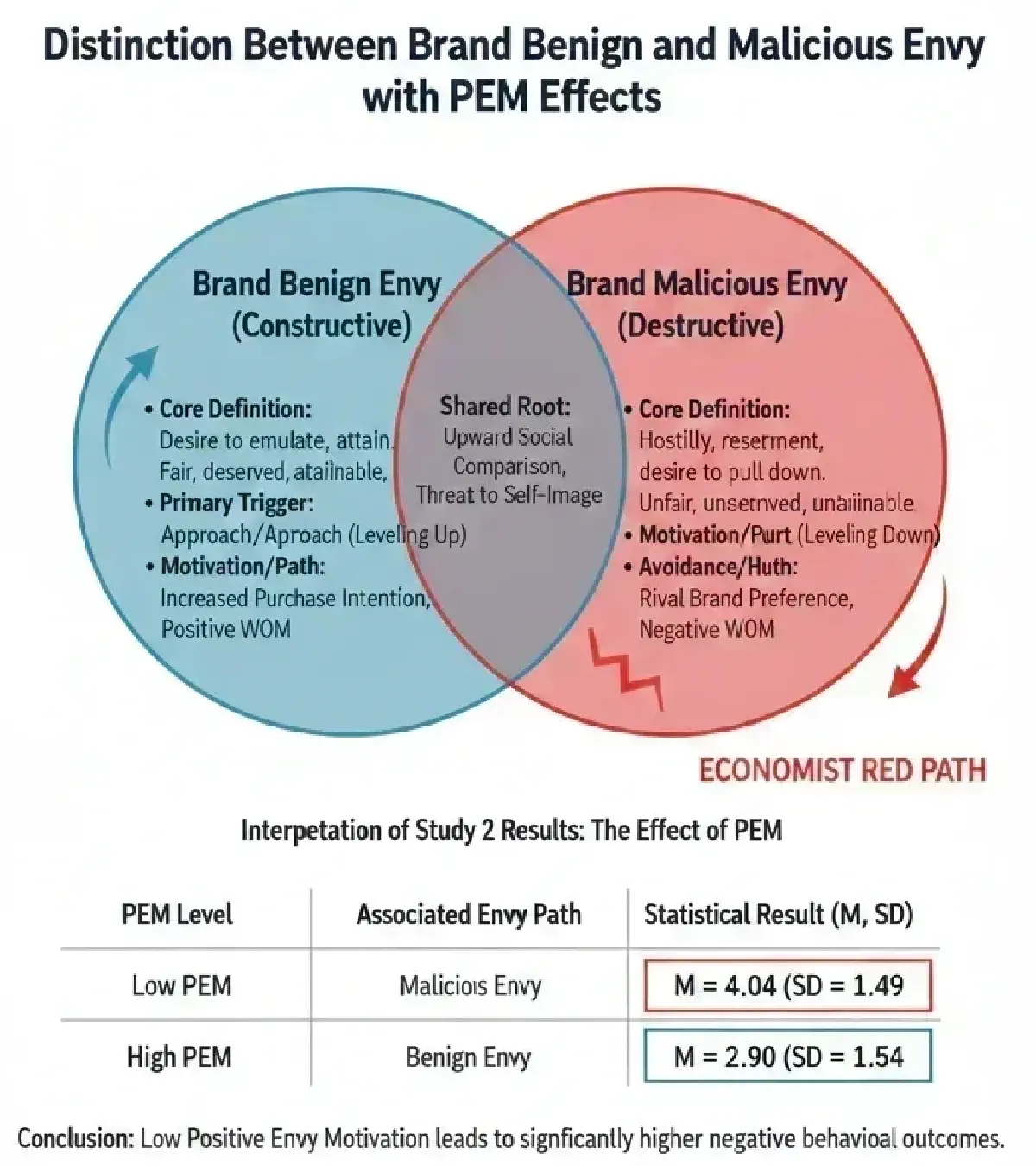
Successful brands must proactively manage malicious envy, especially in high-inequality markets, or face boycotts and negative word-of-mouth.
6 March 2019 · 543 words · 3 mins
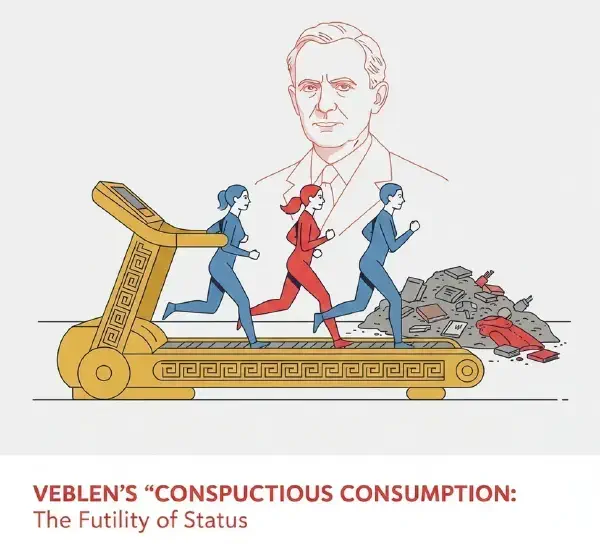
Veblen's concepts explain why competitive status seeking traps individuals in a costly, self-defeating cycle of spending, creating large societal welfare losses.
5 March 2019 · 677 words · 4 mins
Relative standing concerns translate directly into measurable inefficiency, undermining output and challenging competitive labor market theory.
4 March 2019 · 832 words · 4 mins
Managers and policymakers must differentiate constructive desire from spite-based destruction to maximize organizational output.