Why Intelligence Becomes Infrastructure#
Harmful systems do not survive on brute force alone. They survive on explanation. Violence may initiate control, but rationalization sustains it. This is where the educated class becomes structurally indispensable.
The educated are not required to cheer. They are required to interpret. They translate harm into necessity, excess into complexity, and injustice into inevitability. They provide the language that allows others to live with what is happening without feeling implicated.
This role is rarely assigned explicitly. It emerges organically. Those with vocabulary, credentials, and analytical confidence are deferred to. Their restraint is mistaken for depth. Their hesitation is read as insight.
In this way, intelligence becomes infrastructure. It carries harm forward quietly, efficiently, and respectably.
The Authority of Explanation#
Explanation has power because it feels corrective. To explain something is to tame it. To frame it is to contain it. The educated class excels at this containment.
They contextualize events historically, structurally, geopolitically. They emphasize constraints. They identify trade-offs. Each move narrows the space for judgment. Moral clarity is reframed as oversimplification.
This does not require dishonesty. Most explanations are technically accurate. The failure is not factual but directional. Explanations point away from responsibility and toward abstraction. They answer why this is happening while carefully avoiding what should be done.
Over time, explanation replaces response. Understanding becomes a substitute for intervention.
Respectability as Moral Shield#
One of the educated class’s greatest assets is respectability. It provides cover. Statements made calmly, cautiously, and with qualifications appear reasonable even when they excuse harm.
This respectability disciplines others. Those who speak plainly are dismissed as emotional. Those who demand action are labeled irresponsible. The tone of discourse becomes a gatekeeper. Only arguments that minimize disruption are allowed through.
The result is a narrowing of possibility. The range of acceptable responses contracts until only procedural adjustments remain. Structural harm continues uninterrupted, now fortified by consensus.
The system no longer needs to silence dissent aggressively. It marginalizes it politely.
The Reproduction of Inaction#
The educated class does not merely excuse harm. It teaches others how to excuse it. Through professional training, social norms, and institutional culture, rationalization is reproduced.
Young entrants learn what kinds of concern are rewarded and which are career-limiting. They learn how to speak without committing, how to criticize without challenging, how to care without acting. These are not moral lessons. They are survival lessons.
In this way, inaction becomes a transferable skill. It is refined, standardized, and passed on. Each generation becomes better at explaining why nothing can be done.
The machinery runs smoothly because it is well maintained.
Why This Group Matters Most#
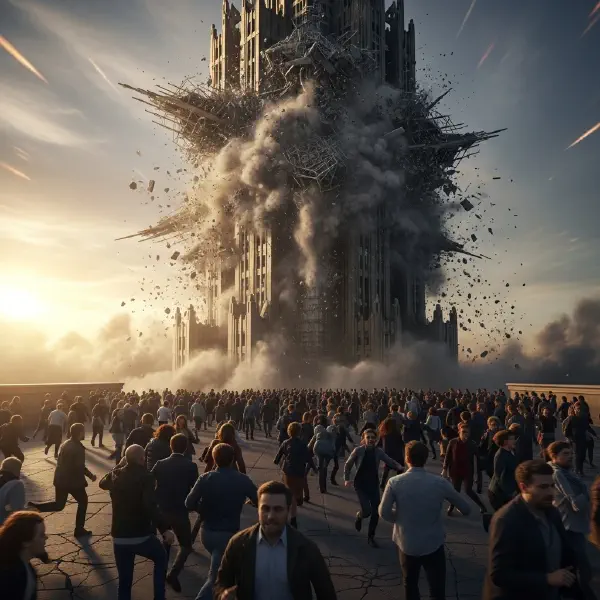
It is tempting to focus condemnation on zealots or enforcers. They are visible. They are loud. But they are rarely decisive. Systems can survive incompetence and brutality. They cannot survive sustained moral resistance.
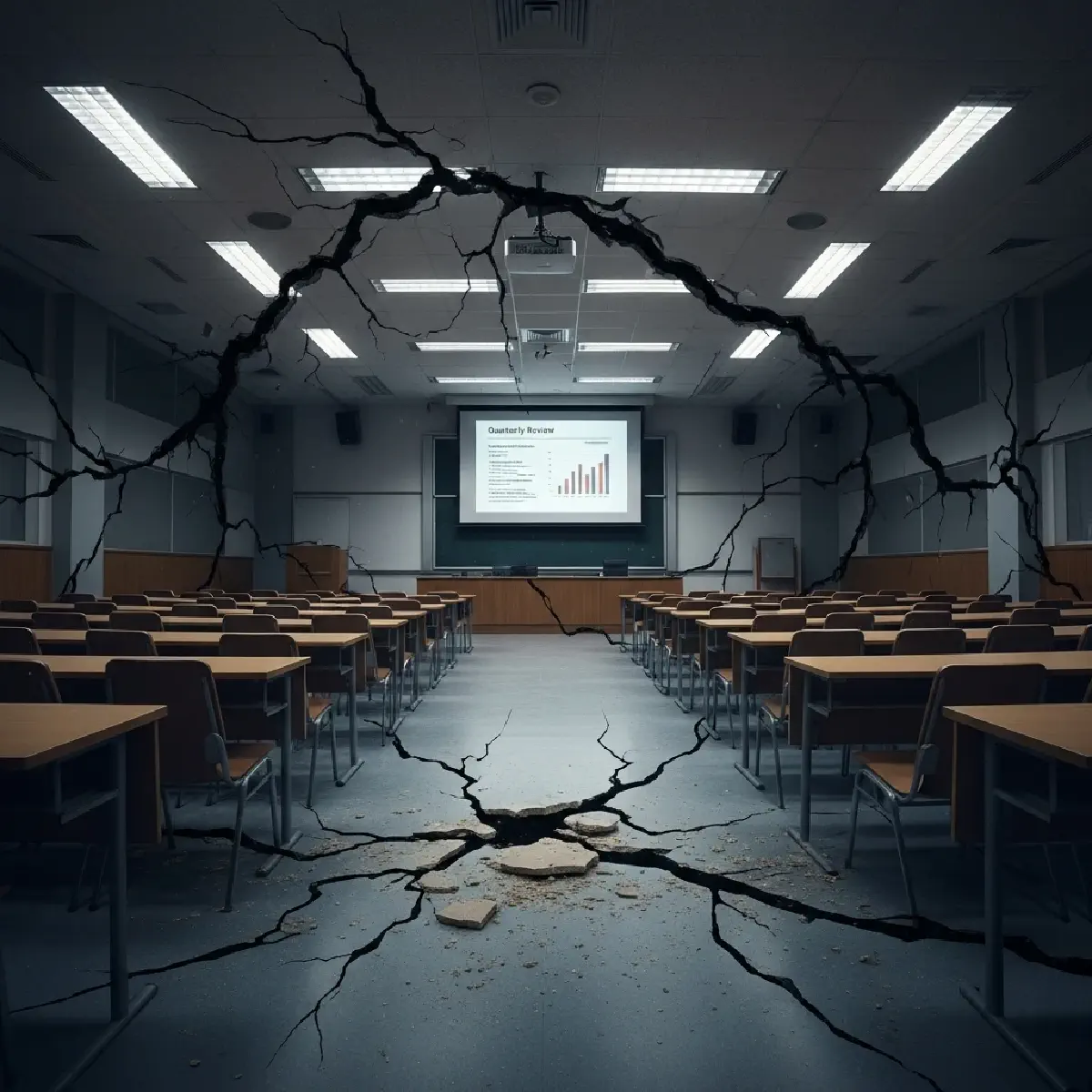
The educated class prevents that resistance from forming. Not by opposing it outright, but by dissolving it into analysis. By the time outrage reaches them, it has been translated into a briefing.
This is why their role is uniquely dangerous. They do not need to believe in harm. They only need to manage it.
The Final Abdication#
The deepest failure of the educated class is not cowardice in the face of danger. It is abdication in the presence of clarity. They often know enough to see the pattern, anticipate the outcome, and articulate the risk.
What they refuse is ownership. Ownership would require choosing a side, accepting consequence, and relinquishing neutrality’s comforts.
Instead, they choose explanation. They choose distance. They choose to remain interpreters of the world rather than participants in its correction.
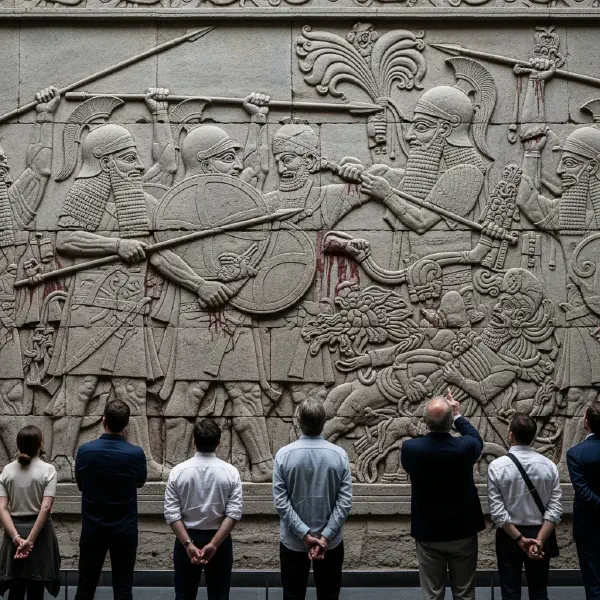
When history asks how harm became ordinary, the answer will not be found only in the hands that struck or the crowds that cheered. It will be found in the rooms where everything was understood, discussed, and carefully left unchanged.
That is how excuses become machinery—and how intelligence becomes an accomplice.