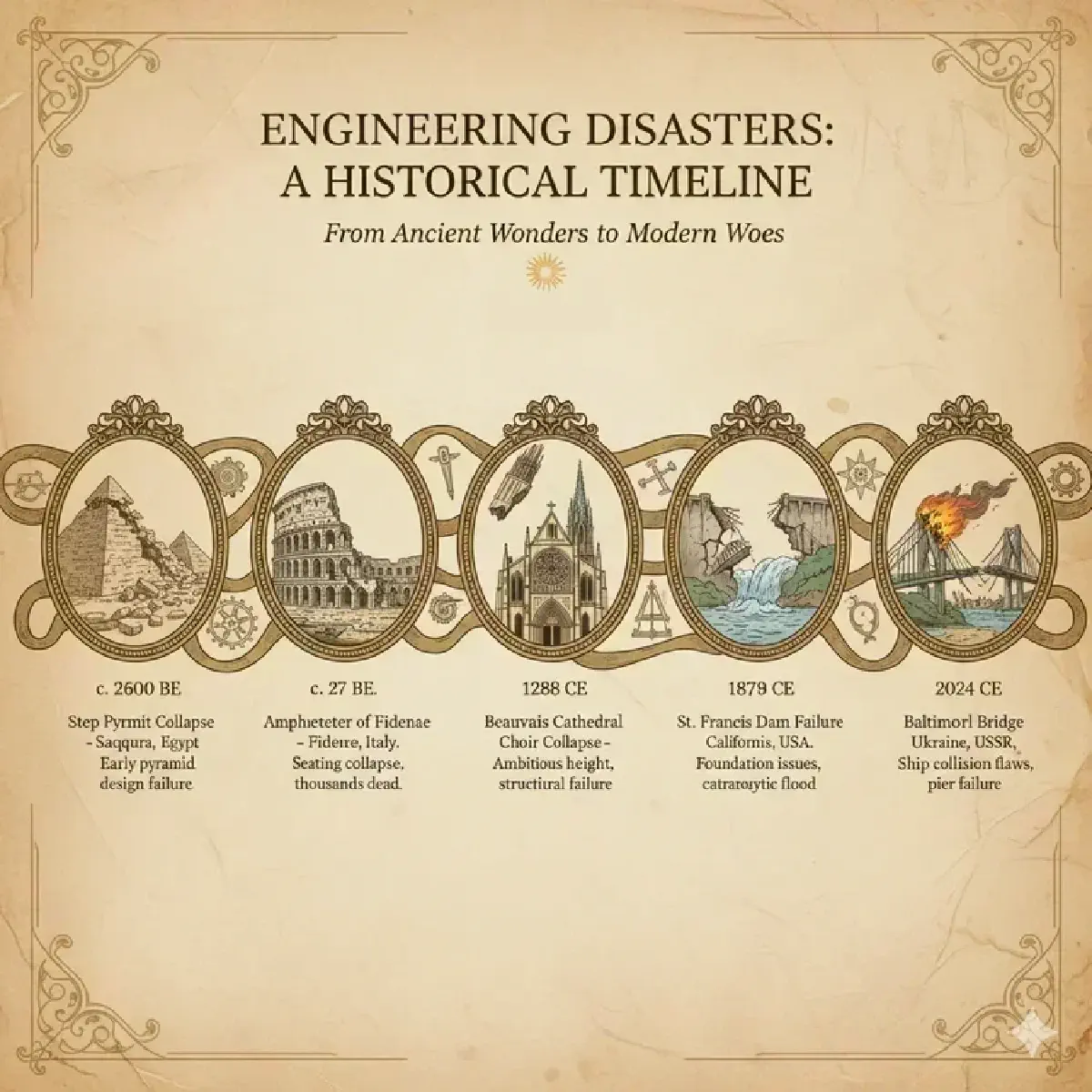
Chernobyl, Bhopal, and Three Mile Island weren't just nuclear or chemical failures—they were telling the same story we've been hearing since ancient Rome.
Solar physics data from the 2013 Walkie Talkie building reveal how curved glass facades can concentrate sunlight to 200°C, exposing the gap between computational modeling and real-world physics.
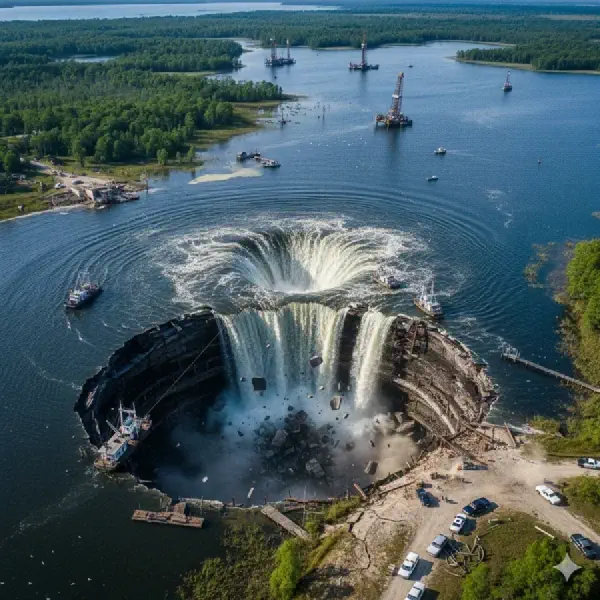
Surveying data from the 1980 Louisiana disaster reveal how coordinate errors can trigger cascading geological catastrophes with permanent environmental consequences.
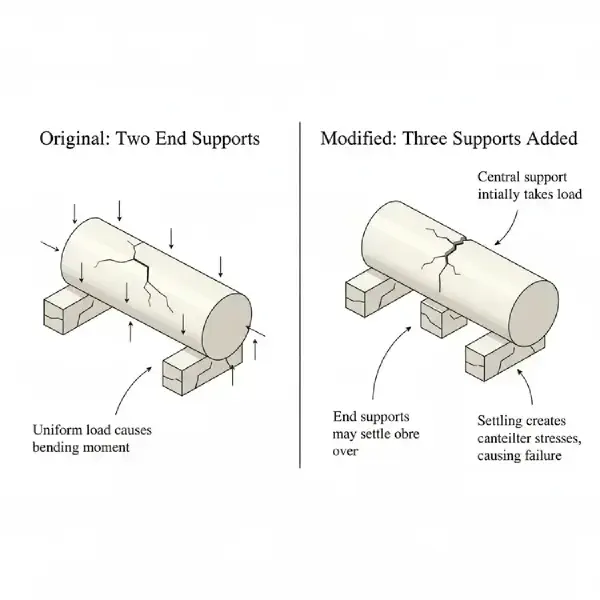
Structural mechanics data from Galileo's 1638 column experiment reveal how well-intentioned design changes can introduce catastrophic failure modes that defy intuition.
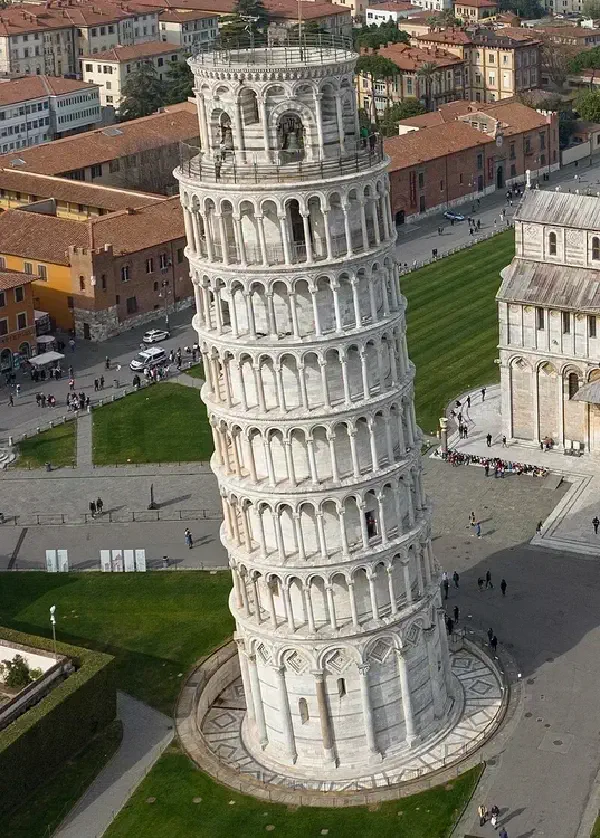
Geotechnical data from the 900-year-old bell tower reveal how inadequate foundations can transform engineering disasters into economic assets worth millions.
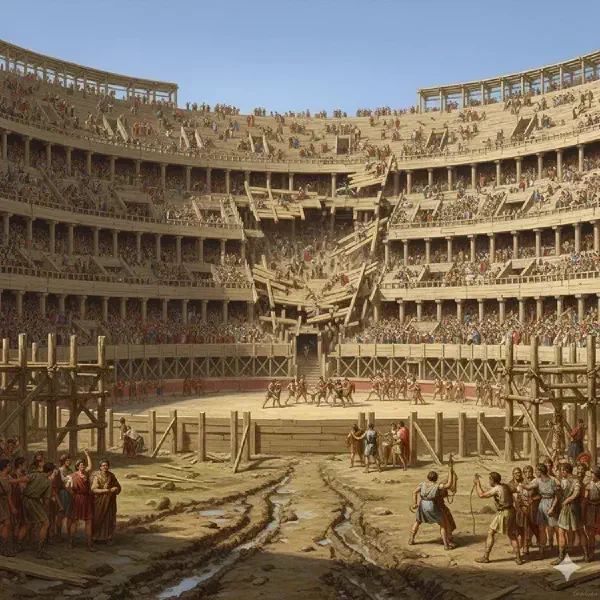
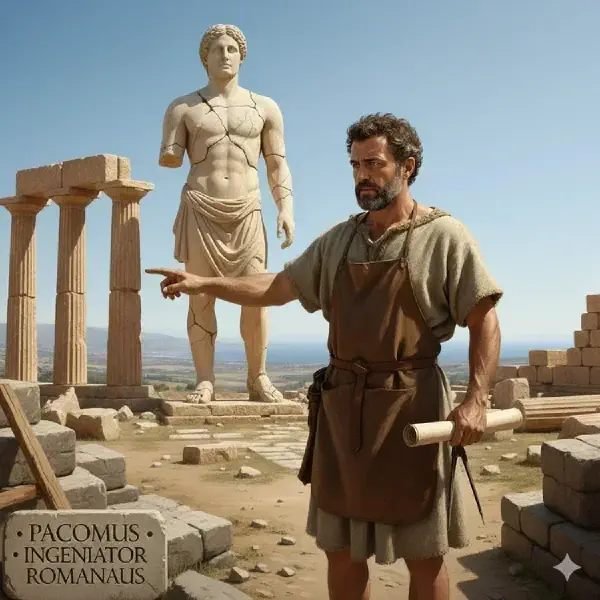
Economic data from ancient Roman construction reveal how untested innovations can bankrupt contractors, exposing the timeless tension between theoretical efficiency and practical reality.
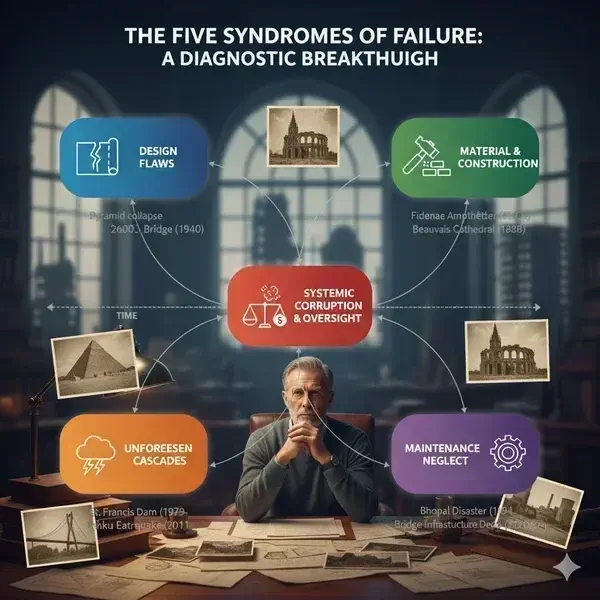
Introducing the Five Syndromes of Failure: a diagnostic framework for understanding why engineering disasters happen, drawn from 4,600 years of catastrophic failures.