The Mask of Modernization#
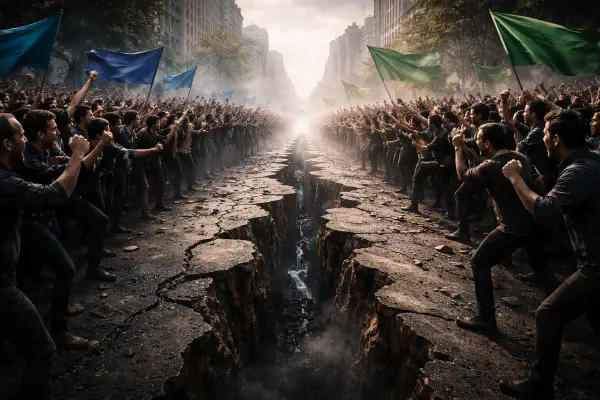
In 2007, Brazil was the only bidder for the 2014 World Cup, allowing the country to bypass the “winner’s curse” of competitive bidding while seeking to impress the world with its newfound economic primacy [Zimbalist]. This was the ultimate “soft power” move: using a global sporting extravaganza to signal that a developing economy is now a modernized, world-class player [Zimbalist, Costa & Moriconi]. However, beneath this “coming-out party” lay a calculated attempt to distract from woeful public transportation, poor schools, and insufficient housing [Zimbalist]. This is the essence of “beguilement”—treating the populace like children by offering them the “cartoon” of athletic glory while the rulers siphon public resources into private infrastructure [search.txt, Zimbalist].
The Mechanism of Pacification#
“Soft power” is the ability to achieve political goals through attraction rather than coercion, and sports have become its primary vector [Costa & Moriconi]. Governments now use sports as a “commercial diplomacy” tool to polish tarnished reputations and divert attention from chronic social problems [Costa & Moriconi].
Sportswashing and the Opiate of the Masses#
Non-democratic governments, particularly in the Gulf states, have invested billions in sport to “sportswash” their global image [Costa & Moriconi]. By hosting Formula 1 races or acquiring foreign flagship clubs like Manchester City or Paris Saint-Germain, these regimes appear legitimate on the world stage while diverting attention from human rights issues at home [Costa & Moriconi]. Sports thus function as a modern “opiate of the masses,” where the emotional investment in a team’s fortune supersedes investment in civic life [search.txt].
The Dictator’s Playbook#
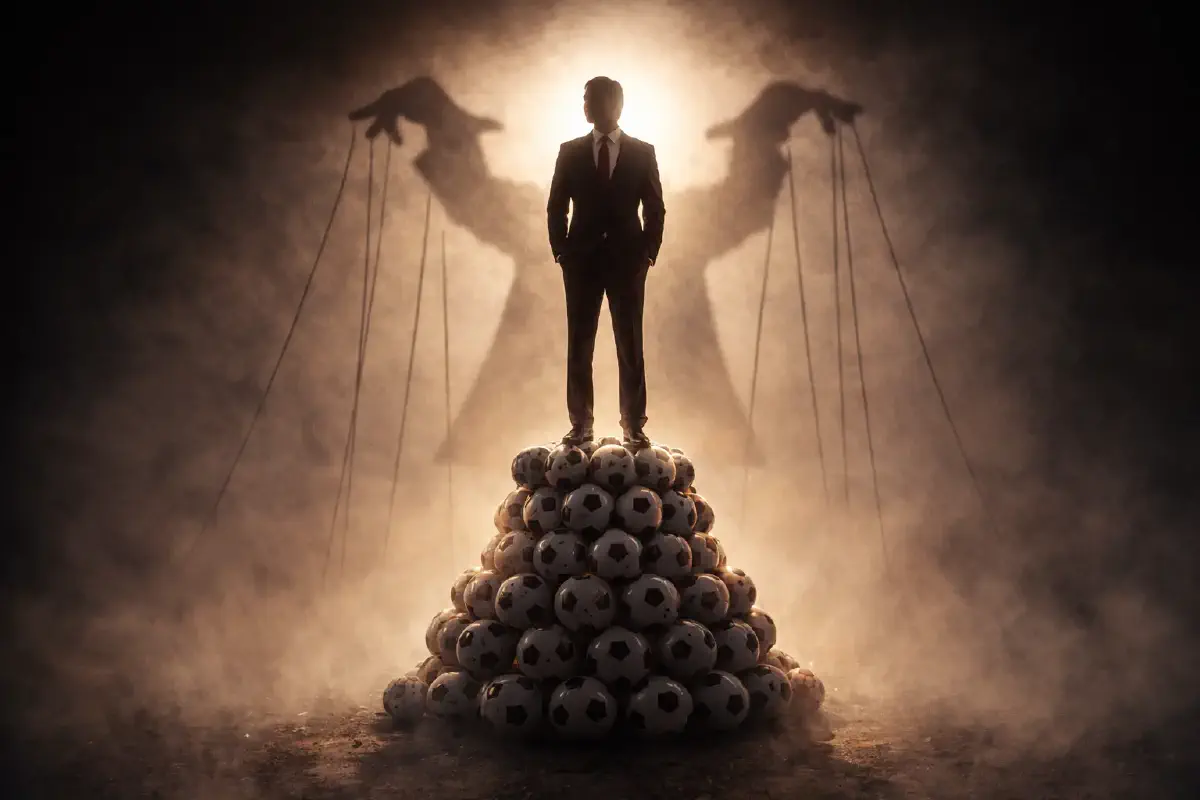
History is littered with dictators who understood that sports could bolster their power. Mussolini used the 1934 World Cup to promote Italian fascism, and Hitler used the 1936 Olympics to showcase “Aryan superiority” [Zimbalist]. In more recent times, Vladimir Putin used the $51 billion Sochi Winter Games to divert the Russian people toward nationalist fervor just days before the annexation of Crimea [Zimbalist]. These are not accidents; they are strategic uses of the “circus” to facilitate political maneuvers that the populace would otherwise resist [search.txt, Zimbalist].
The Illusion of Peace#
The consequence of this beguilement is a dangerous “illusion of peace” [Zimbalist]. Proponents of mega-events often claim that sports bring antagonistic nations together, yet there is no evidence the games prevent hostilities [Zimbalist]. In fact, the 1969 “Soccer War” between El Salvador and Honduras proved that sports can serve as the catalyst for existing tensions to explode into 2,000 deaths and the expulsion of 100,000 people [Zimbalist]. The spectacle does not heal; it merely masks the rot until it is too late to fix [Zimbalist].
The Cost of the Cartoon#
When we watch the Olympics or the World Cup, we are participating in a grand distraction that allows rulers to “do what they want” [search.txt]. In Brazil, a million people took to the streets to protest the diversion of $15 billion toward stadiums while the population faced deficient medical care [Zimbalist]. The “winners” in this game are the wealthy promoters who pick up the tab of social dislocation and resource diversion, while the public is left with the debt [Zimbalist]. We are treated like children watching cartoons so we do not notice the “siphoning of public funds into private pockets” [search.txt].