The Sunset of Survival#
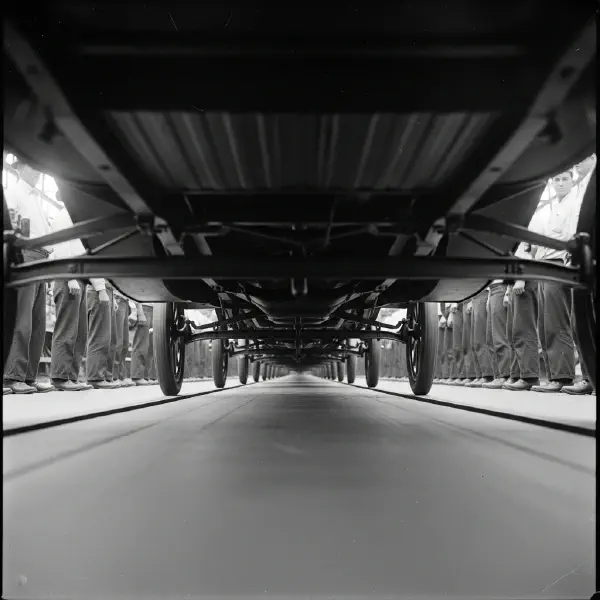
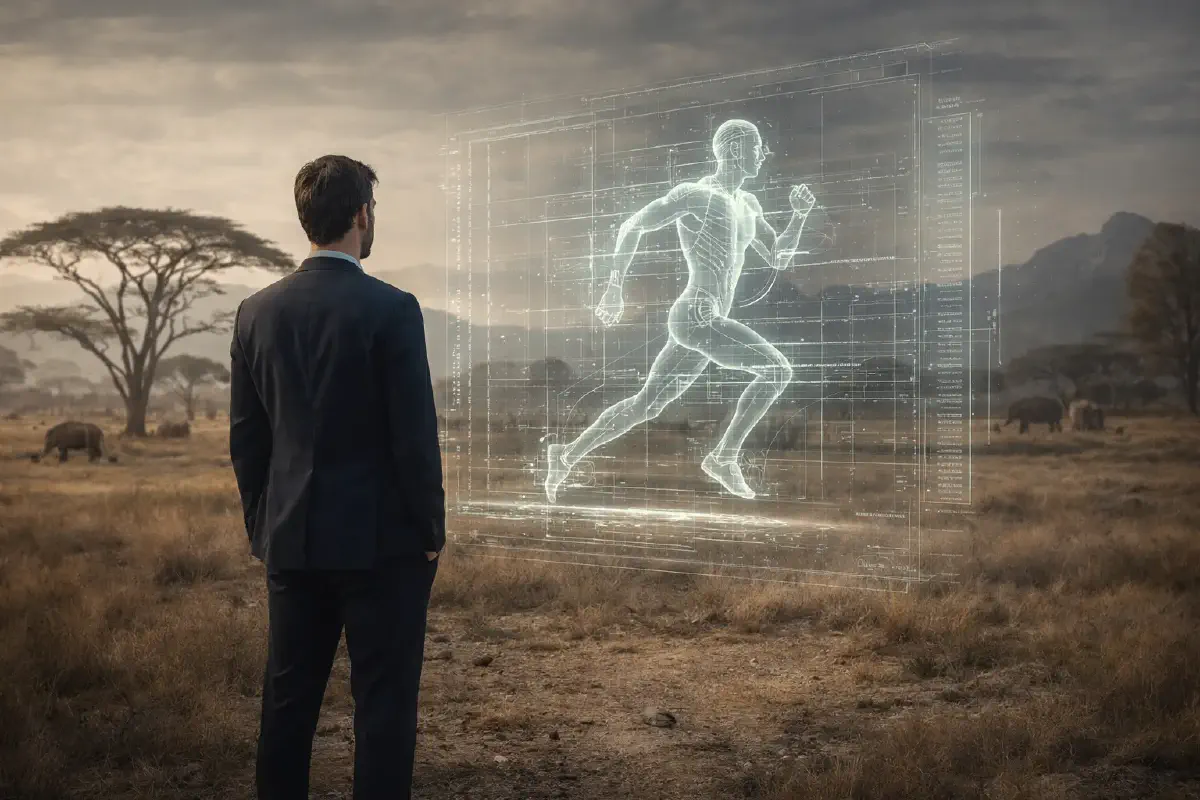
For the vast majority of human history, physicality was synonymous with survival. Early humans evolved through “useful work”—the high-stakes kineticism of hunting, gathering, fighting, and fleeing [search.txt]. In this primal landscape, there was no conceptual space for “exercise” or “spectating” because every calorie expended was a direct investment in continued existence [search.txt]. However, the advent of the Industrial Revolution and subsequent mechanization introduced a profound utility crisis [search.txt]. Machines began to perform the manual labor once required of the human frame, leaving a considerable portion of the population sedentary for the first time in evolutionary history [search.txt]. This shift created a physical and psychological void: a body built for the rigors of the hunt now found itself confined to the desk and the factory line [search.txt].
The Sublimation of the Hunter#
The modern sports landscape is the structural response to this physical alienation, transforming ancient survival instincts into commodified physical practices. This transition marks the moment when “useful work” died and was replaced by the twin pillars of compensatory movement and extractive observation [search.txt].
From Ritual Preparation to Recreational Void#
Early sports were never “just games”; they were instrumental systems of training for war or religious offerings of excellence to the gods [search.txt, Novak]. Archery, wrestling, and chariot races served as the “school of character-building” for the defense of the tribe [Novak, search.txt]. As societies developed surplus food and wealth, a “leisure class” emerged with the time for non-utilitarian pursuits [search.txt]. Concurrently, the laboring class found their “useful work” becoming so repetitive that they required a holistic physicality that remained unmet by their daily toil [search.txt].
The Bifurcation of Movement#
This unmet need bifurcated into two distinct modern phenomena: exercise and spectating [search.txt]. Exercise became “unfruitful but useful” work—purposeless exertion performed at a cost to maintain the health of a body no longer required to fight for its food [search.txt]. Conversely, those who could not or would not engage in this compensatory labor became “watchers” [search.txt]. They traded their own physical agency for the consumption of the agency of others, marking the birth of the modern sports fan as a consumer of sublimated labor [search.txt].
The Extractive Transition#
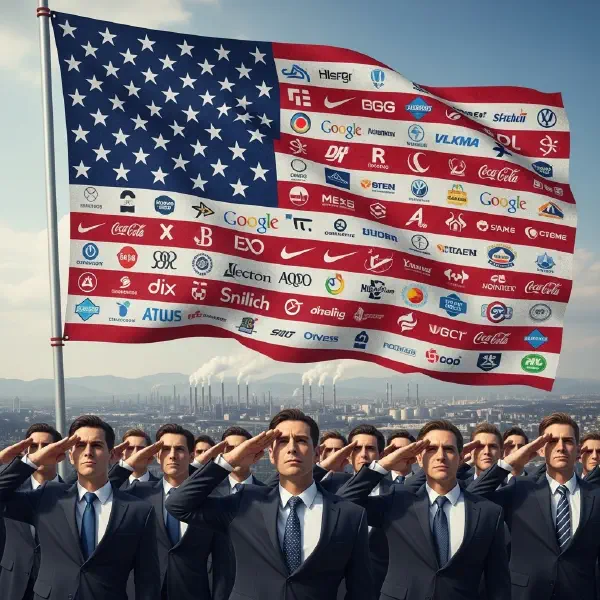
The consequence of this transition is the extraction of human energy. In the past, a warrior’s strength stayed within the community for its protection; today, that strength is mediatized and sold back to the community as a product [Rowe]. This mediatization transforms sports from a natural outgrowth of human play into a highly refined apparatus for distraction [search.txt, Rowe]. The “useful work” of the hunter has been effectively sublimated into a $750 billion global industry that prioritizes the financial yield of the spectacle over the physical health of the citizenry [Rein et al., search.txt].
The New Secular Liturgy#
We have moved into an era where sports function as a “natural religion,” satisfying a deep hunger for symbolic meaning that work no longer provides [Novak]. As we abandon the tools of the field for the glowing screens of the stadium, we are participating in a grand redirection of the human spirit [Novak]. We must ask what goes unnoticed while we watch, and who benefits from the caloric energy we no longer spend on ourselves [search.txt]. The physical practice of our ancestors has become the extractive spectacle of our era, setting the stage for the rise of the modern “Bread and Circuses” [search.txt].