
The Spectacle of Control: A Critical History of the Sports-Industrial Complex
Overview#
This series examines the evolution of sports from survival-driven physicality to a commodified spectacle that serves economic and political interests. Through historical analysis, it reveals how mechanization birthed sublimated labor, engineered tribalism, and created mechanisms of social control and distraction.
Key Insights#
- Mechanization and Sublimated Labor: The Industrial Revolution created a utility crisis, transforming survival-based physicality into commodified sports and extractive observation.
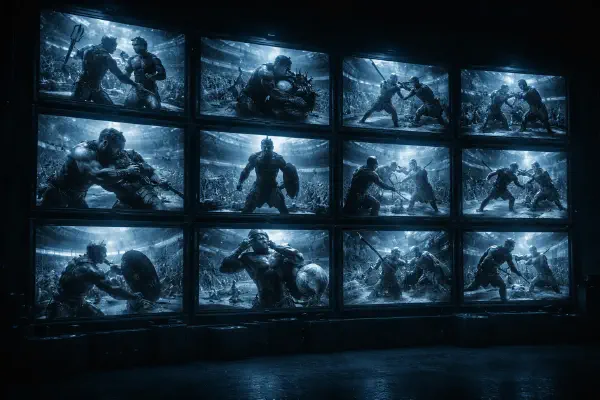
- Mediatization of Spectacle: From the Roman Colosseum to modern screens, sports have been industrialized as tools for distraction and pacification.
- Engineered Tribalism: Sports fandom divides societies into rival tribes, channeling aggression horizontally and preventing vertical resistance against power structures.
- Soft Power and Beguilement: Governments use mega-events for political pacification, sportswashing, and diverting attention from social issues.
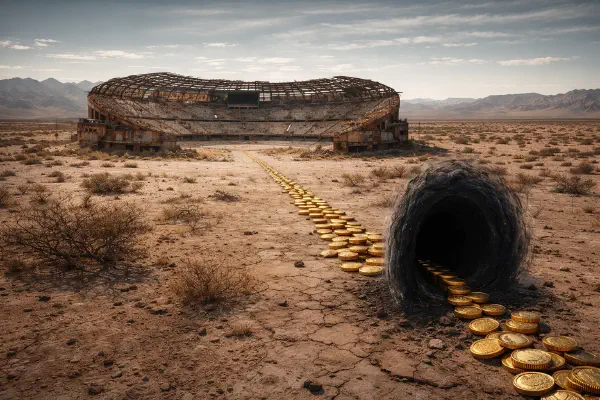
- Economic Siphon: Hosting sports events socializes debt and privatizes glory, siphoning public wealth into private pockets.
References#
- Costa, R., & Moriconi, M. (2024). Current political uses of sport revised: beyond public diplomacy and sportswashing. Frontiers in Sports and Active Living, 6.
- Foer, F. (2005). How soccer explains the world: An unlikely theory of globalization. HarperCollins.
- Kuper, S. (2003). Football against the enemy. Orion.
- Novak, M. (1994). The joy of sports: End zones, bases, baskets, balls, and the consecration of the American spirit (Revised ed.). Madison Books.
- Rein, I., Shields, B., & Grossman, A. (2014). The sports strategist: Developing leaders for a high-performance industry. Oxford University Press.
- Rowe, D. (2015). Mass media and sports. In International Encyclopedia of the Social & Behavioral Sciences (2nd ed., Vol. 14). Elsevier.
- Zimbalist, A. (2016). Circus Maximus: The economic gamble behind hosting the Olympics and the World Cup (2nd ed.). Brookings Institution Press.