Key Takeaways
- Fundamental Principle: Information cannot exist without a verifiable source; without it, content is fiction.
- Historical Reality: The blank page symbolizes lost history, representing countless untold stories and silenced voices.
- Digital Citizenship: In an era of misinformation, questioning the source of claims is essential for discerning truth.
I recently settled in to do what I love most: take a deep dive into a compelling historical topic. The subject was the surprising legacy of Genghis Khan, and I had a new source document in hand, the kind of primary material that can anchor a piece of content with real authority. I was prepared to explore the complexities of a figure who shaped the world, expecting to find stories of conquest, culture, and innovation.
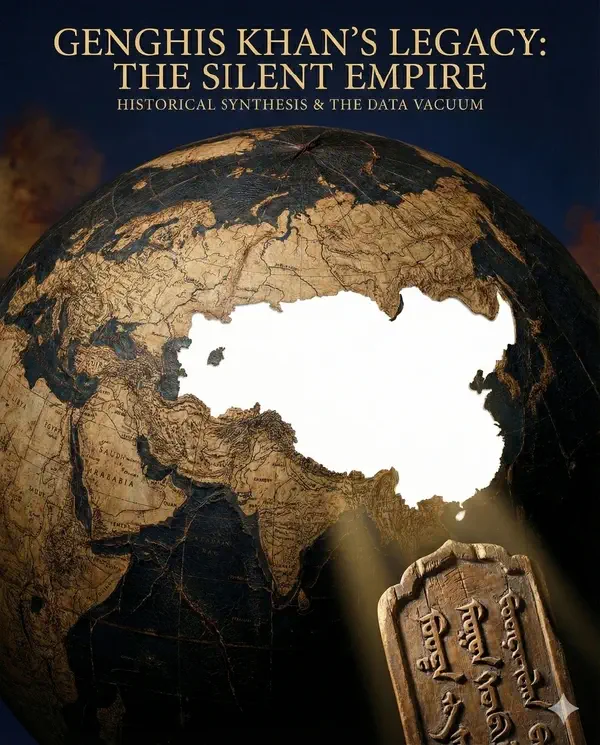
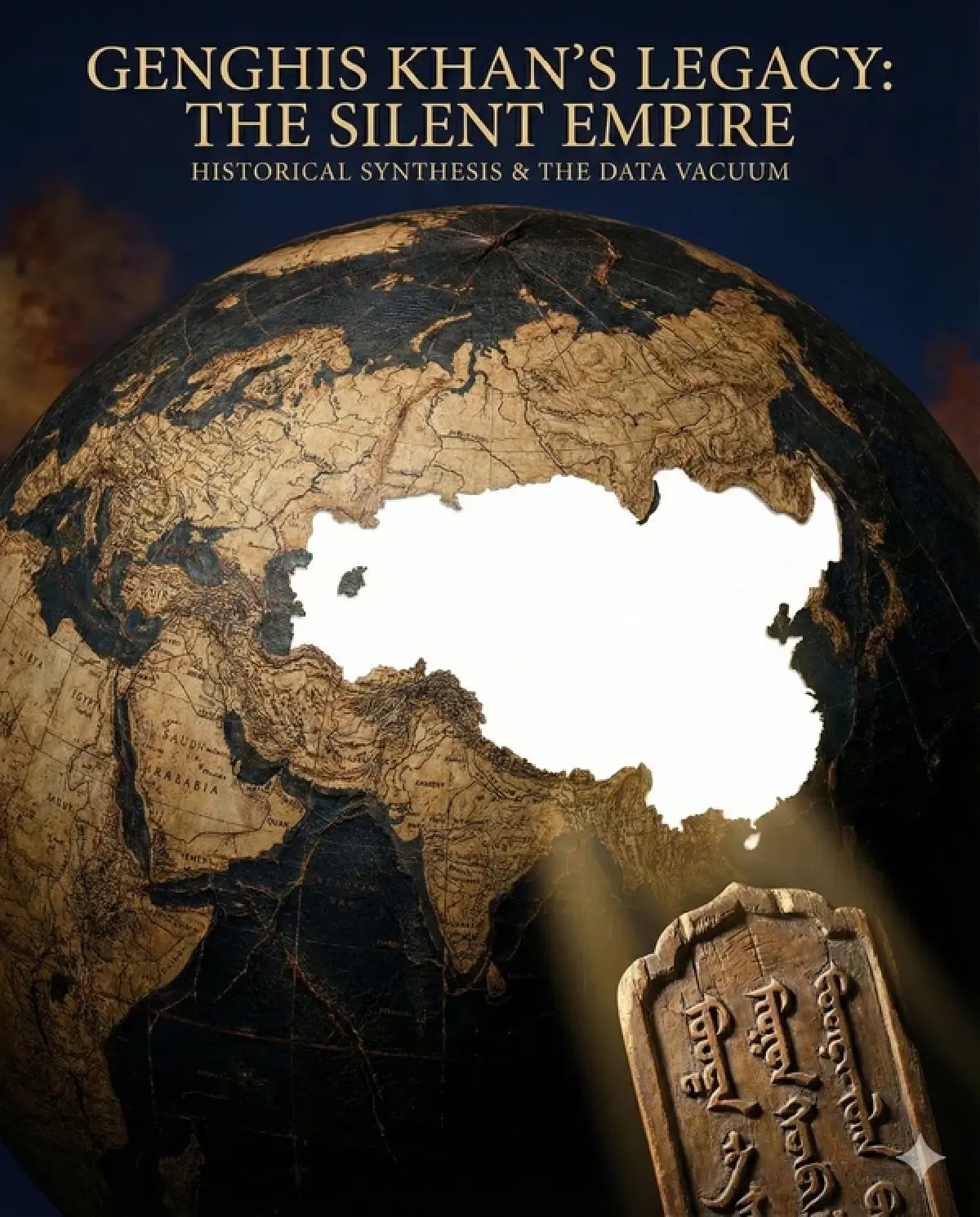
But when I opened the document, I found nothing. Not a single word, chart, or image. It was, quite literally, a blank page. My initial thought was that there had been a mistake. But as I stared into the empty space where history was supposed to be, I realized this wasn’t a dead end. It was the beginning of a profound and unexpected lesson about knowledge, history, and how we navigate an online world saturated with content yet starved of context.
All Knowledge Begins with a Source#
Staring at that void, I was ready to engage, to question, and to write, but I was met with absolute silence. This starkly illustrates that before any fact can be stated, before any narrative can be crafted, and before any opinion can be formed, there must be something to draw from. The blank page was a powerful reminder that all knowledge is built upon a foundation. Without that foundation, we have nothing but speculation.
The Blank Page as a Symbol of Lost History#
This blank page was a visceral symbol of that historical silence. It represents the unwritten perspectives, the silenced voices, and the events that have faded from memory, leaving only an empty space where a story used to be. It serves as a humble reminder that our understanding of the past is always incomplete, assembled from the precious few sources that have endured.
The Critical Duty of Questioning What We See#
The absence of a source isn’t just a red flag; it’s a full-stop. In an ecosystem where falsehoods travel faster than facts, treating unsourced claims with radical skepticism isn’t cynicism—it’s clarity. This experience reinforces the duty we all have to not just consume information, but to interrogate it.
Conclusion: The Story in the Silence#
I set out to find a story about Genghis Khan but instead found a much deeper one about the nature of knowledge itself. The blank page I encountered wasn’t an error; it was an education. It taught me about the necessity of sources, the reality of lost history, and our critical duty to question what we’re told. It taught me that for every creator’s responsibility to cite a source, there is a reader’s equal responsibility to demand one. When we encounter a void of information, what is our responsibility—to fill it with our best guess, or to simply listen to what the silence has to teach us?