The Kinetic Chain: A Systems Engineering Audit of Historical Logistics
Key Insights#
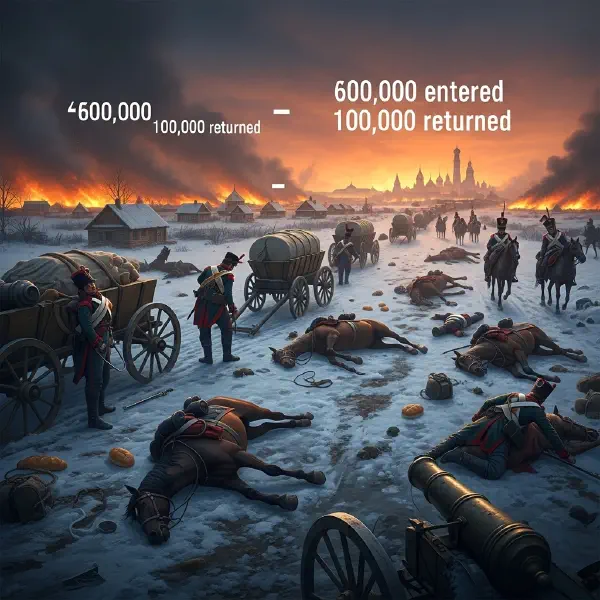
- Real Failure, Real Reasons: Armies don’t just lose battles; their systems reach a limit state. Napoleon’s Grande Armée wasn’t defeated by the winter but by a load (600,000 men) that exceeded the land’s buffer capacity. Germany’s Panzers stalled not from Soviet armor, but from network incompatibility with Russia’s infrastructure.
- The Decisive Question: Success hinges not on tactical brilliance, but on the integrity of the chain: Can your system sustain its load under friction?
- Auditing the Unseen: History celebrates the kinetic moment of battle. This audit focuses on the potential energy—the invisible architecture of logistics (quartermasters, depots, distribution)—that makes battle possible. Optimized systems are silent; their failure causes catastrophic collapse.
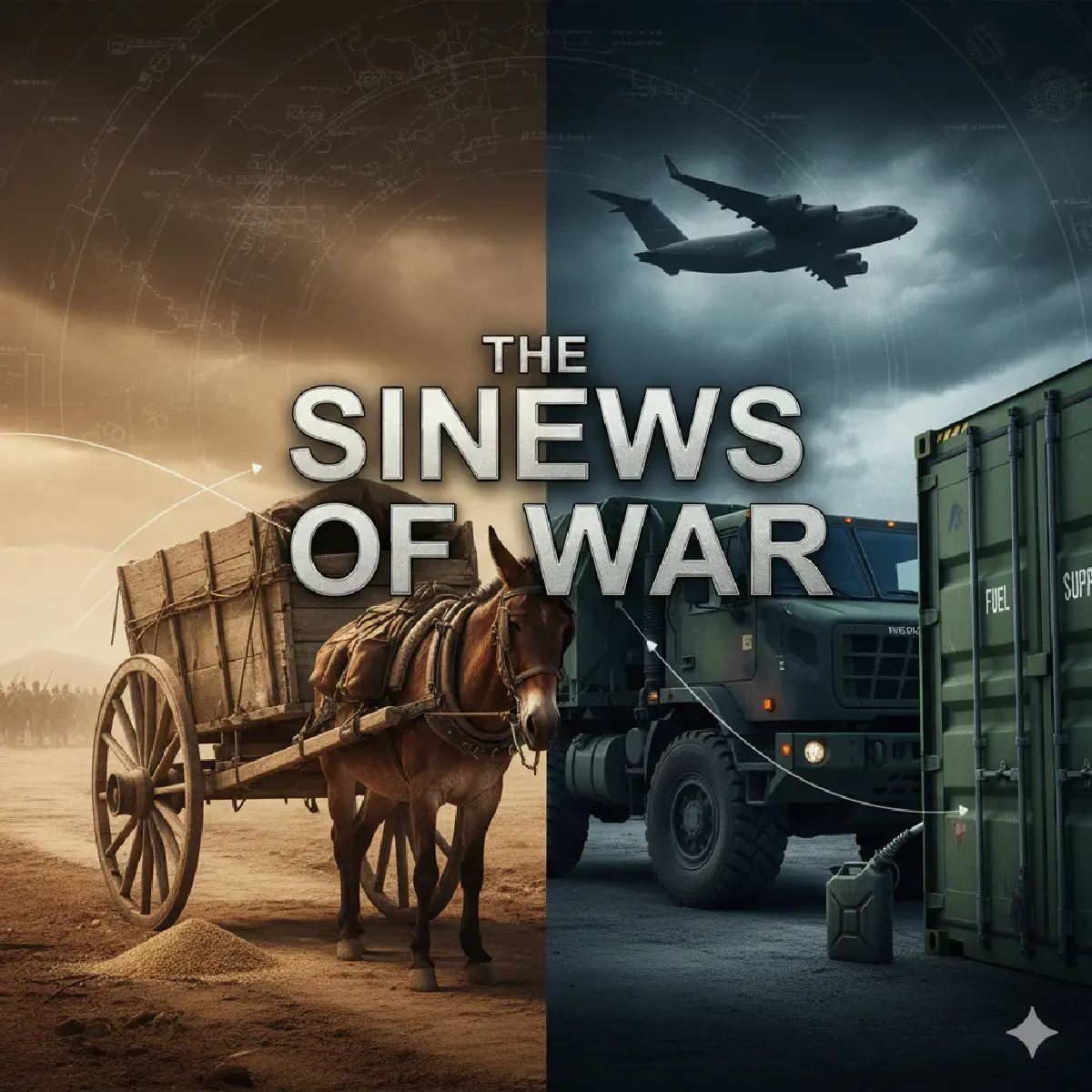
- The Post-Mortem: This series conducts a structural analysis of logistics—the science of movement, supply, and systemic endurance—across 4,000 years of warfare.
The Audit Roadmap: Four Phases of Systemic Evolution#
Phase I: The Ancient Foundation — Scalability and Survival#
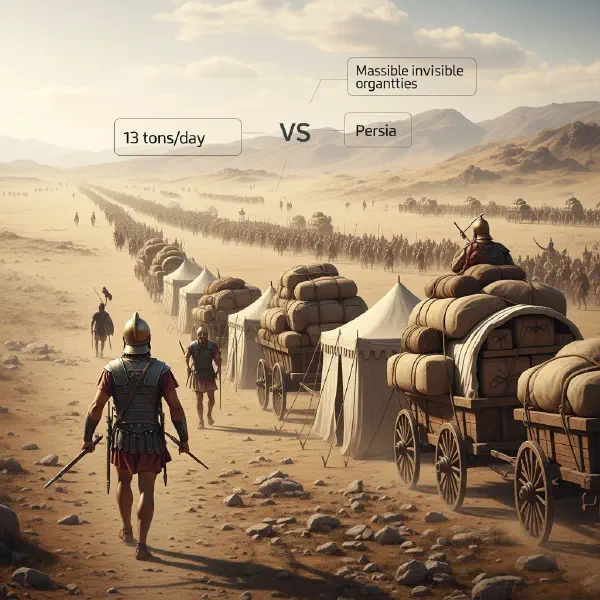
- Alexander’s Invisible Army
- Napoleon’s Fatal Calculation
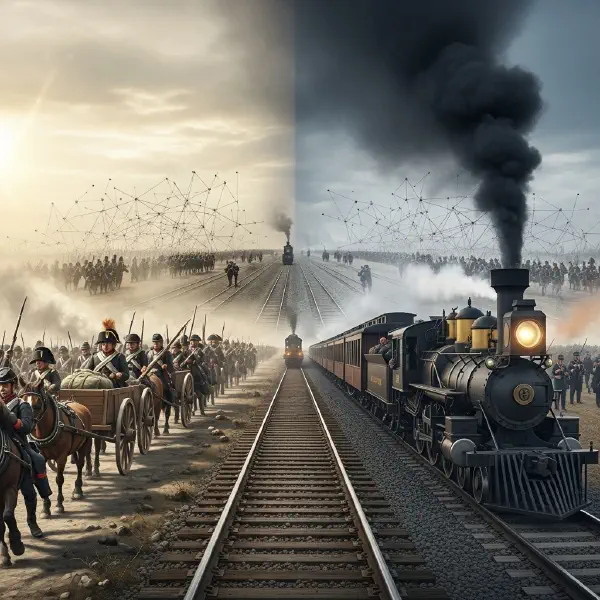
- The Railroad Revolution
- The Crimean Catastrophe
How did Alexander the Great maintain a redundant supply network across 22,000 miles without modern power? We analyze why Napoleon’s “Living off the Land” protocol worked in the high-density networks of Italy but faced terminal friction in the Russian steppe.
Focus: Mass-to-Throughput ratios and the transition from animal-driven to rail-driven systems.
Phase II: The Global Industrial Engine — Optimization at Scale#
- Barbarossa and the Battle of the Gauges
- The Battle of the Bulge and the Tyranny of Fuel
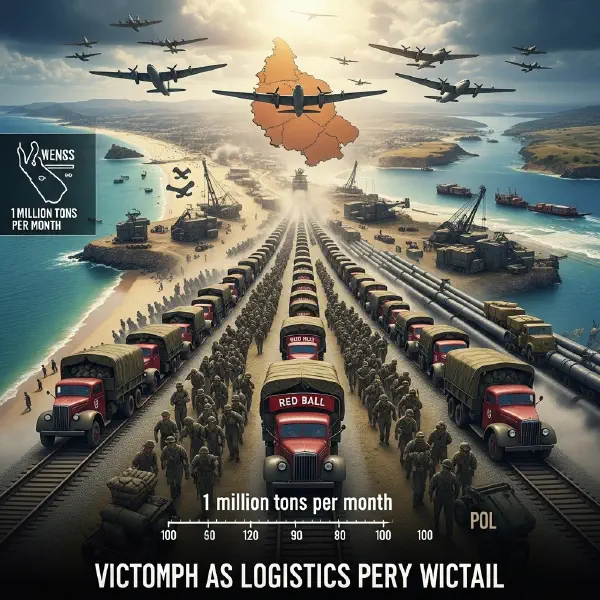
- Wholesale Distribution and the American Way of War
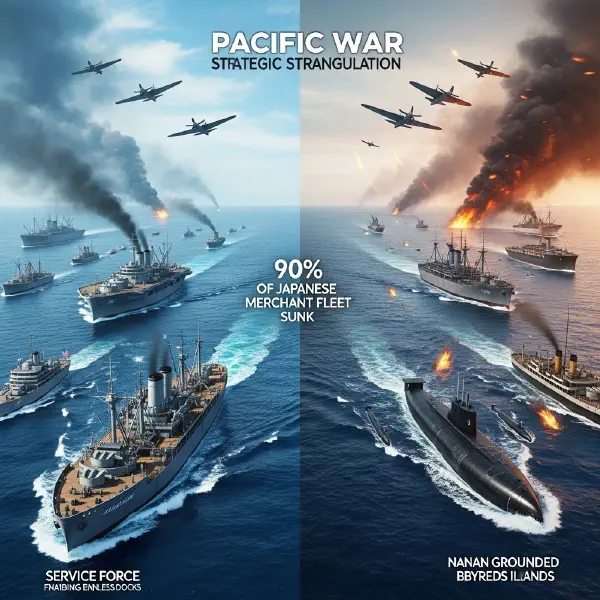
- The Pacific Logistics Challenge
- Victory Through Logistics
World War II was the ultimate stress-test of industrial logistics. We examine the shift from “pull” to “push” supply systems. From the Detroit assembly lines to the Mulberry harbors of Normandy, we audit how wholesale distribution and the challenge of multi-theater load balancing determined the global outcome.
Phase III: Asymmetric Friction — Redundancy vs. Material Superiority#
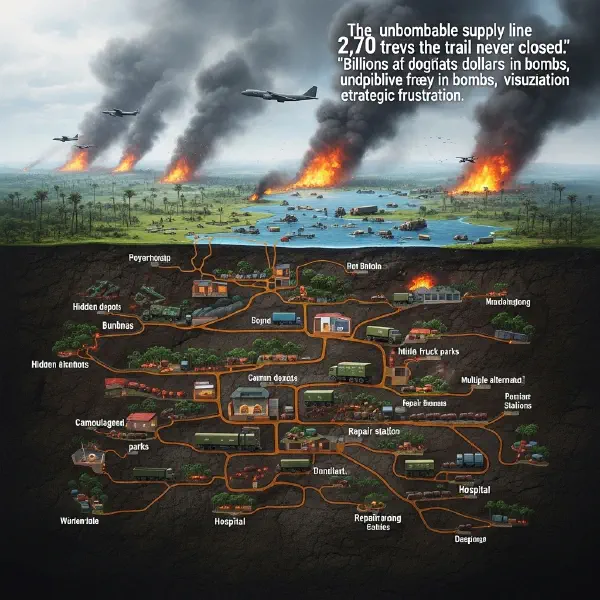
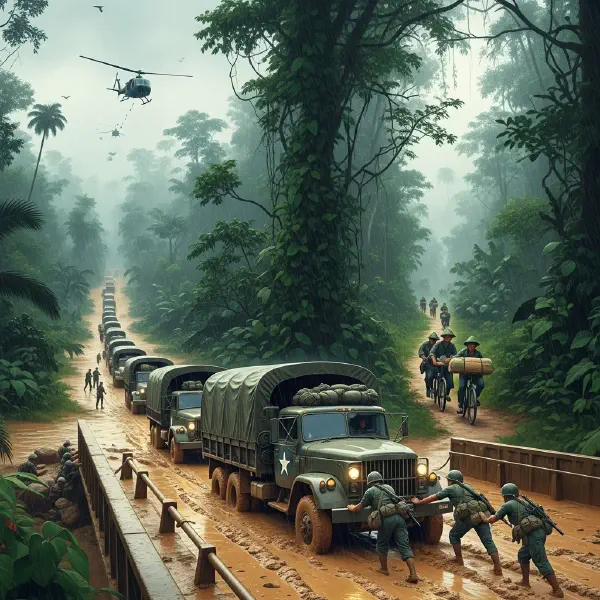
- Vietnam and the Tyranny of Terrain
- Giap’s Bicycle Brigades
- The Ho Chi Minh Trail
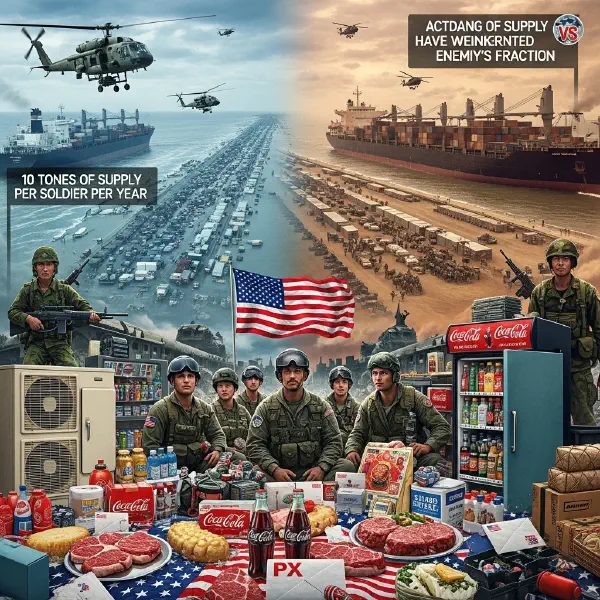
- American Largesse in Vietnam
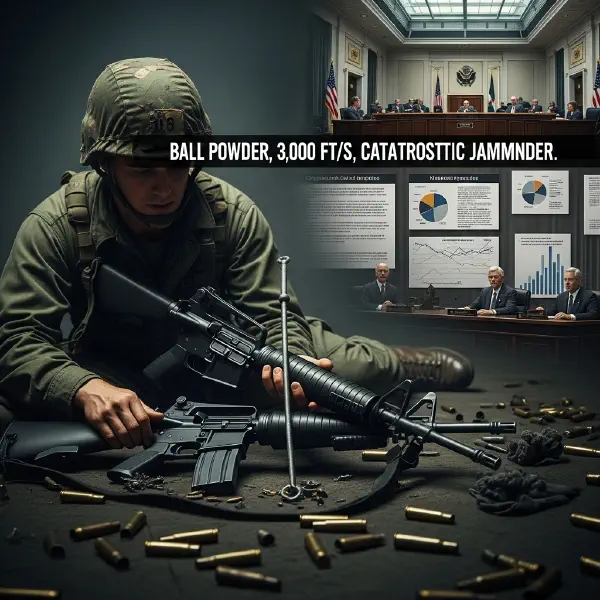
- The M16 Debacle and Logistics Failure
A comparative audit of two conflicting systems. One side relied on a high-tech, centralized kinetic chain (helicopters and firebases); the other optimized for network resilience (bicycles and jungle porters). We analyze why the low-tech system, despite lower throughput, proved more resistant to systemic shock.
Phase IV: Expeditionary Operations — From Iron Rations to AI#
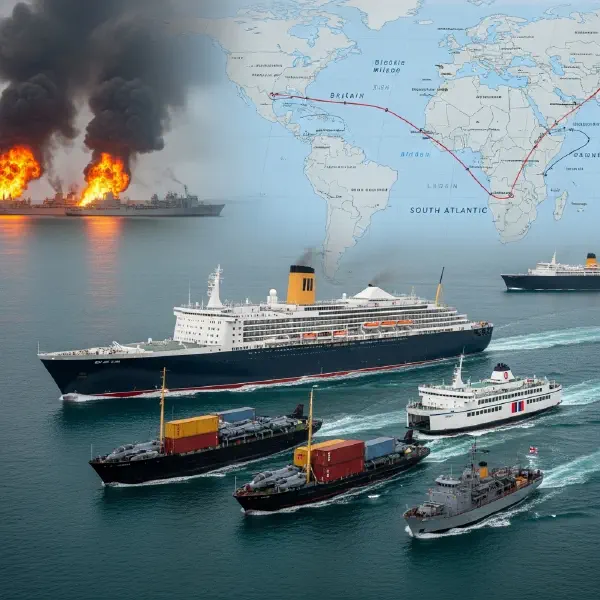
- The Falklands Logistics Miracle
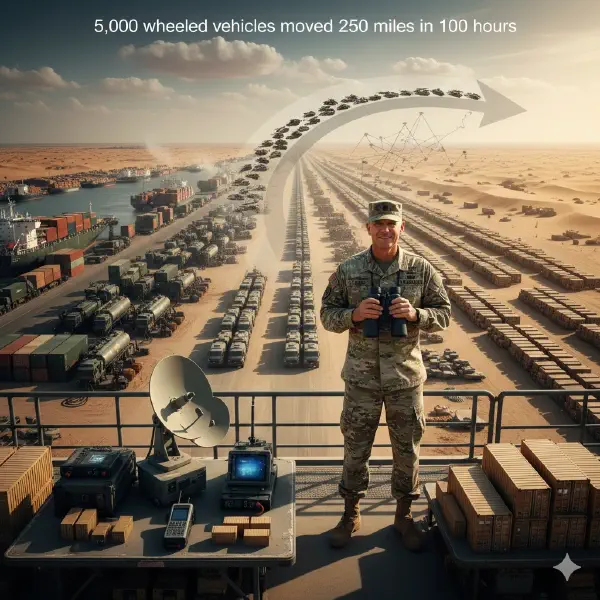
- Desert Storm and the Logistics Miracle
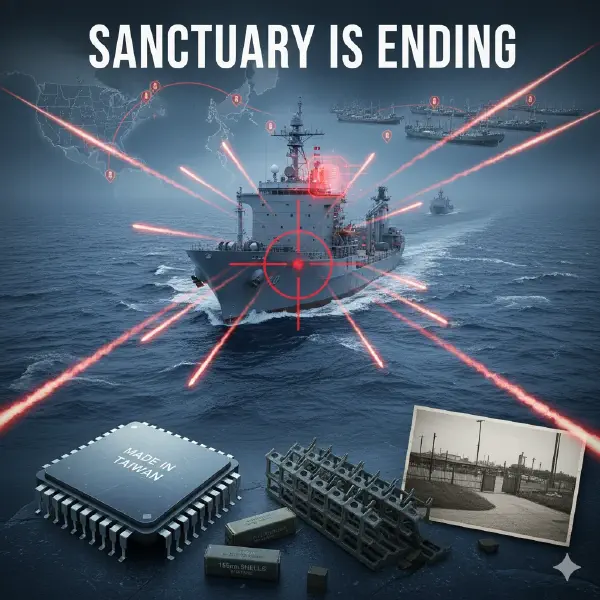
- The Future of Contested Logistics
Modern warfare presents unique dynamic range challenges. From the “logistics miracle” of the Falklands to the rapid deployment of Desert Storm, we look at the future of the Kinetic Chain: Predictive Maintenance, autonomous supply, and the vulnerabilities of a globalized, “just-in-time” military structure.
The Systemic Tensions#
Across every era, we observe the same four Engineering Constraints:
- Mobility vs. Buffer Capacity: The faster a system advances, the more it outruns its own ability to resupply.
- Efficiency vs. Fault Tolerance: “Lean” logistics minimize waste but offer zero resistance to unexpected systemic shocks.
- Technology vs. Terrain: New tools increase speed, but geography remains the ultimate source of systemic friction.
- Design vs. Chaos: No logistics “blueprint” survives its first encounter with the entropy of the battlefield.
“My logisticians are a humorless lot… they know if my campaign fails, they are the first ones I will slay.” — Alexander the Great (Attributed)
References#
- Van Creveld, M. (1977). Supplying War: Logistics from Wallenstein to Patton. Cambridge University Press.
- Engels, D. W. (1978). Alexander the Great and the Logistics of the Macedonian Army. University of California Press.
- Lynn, J. A. (1993). Feeding Mars: Logistics in Western Warfare from the Middle Ages to the Present. Westview Press.
- Paret, P. (1986). Makers of Modern Strategy: From Machiavelli to the Nuclear Age. Princeton University Press.
- Cohen, E. A., & Gooch, J. (1990). Military Misfortunes: The Anatomy of Failure in War. Free Press.