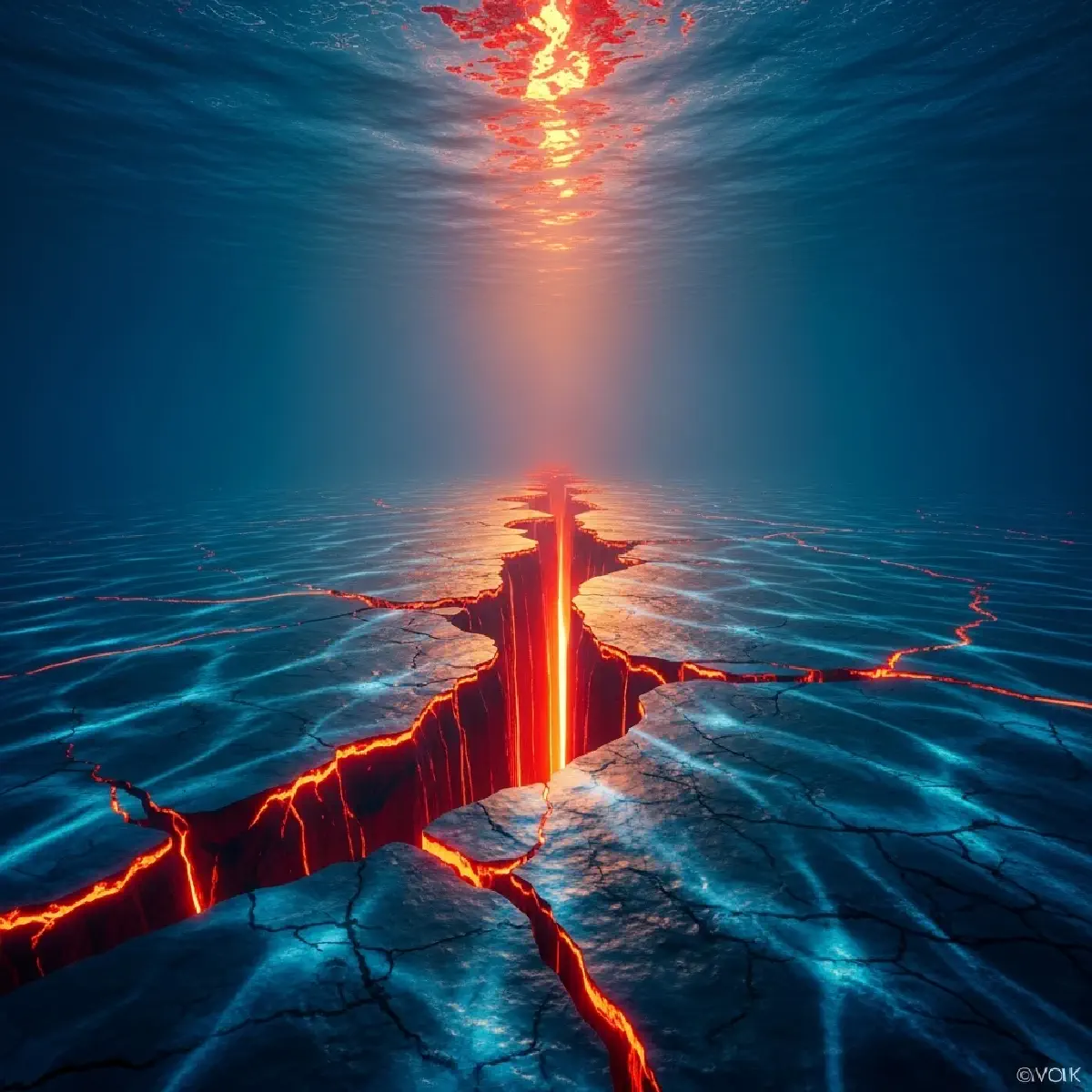
The Tectonic Clock: Catastrophes Shaping Our Future
Key Insights#
- Earth’s geological activity, including earthquakes and volcanic eruptions, is driven by the movement of tectonic plates, which can have profound impacts on human societies and infrastructure.
- Climate change, both natural and anthropogenic, has historically led to significant shifts in ecosystems and human civilizations, highlighting the need for adaptive strategies in the face of environmental change.
- Cosmic events, such as asteroid impacts and solar flares, pose existential risks to humanity, necessitating global preparedness and mitigation efforts.
- The interconnectedness of natural systems means that disasters often have cascading effects, amplifying their impact on societies, economies, and ecosystems.
- Understanding the history and science of natural catastrophes is crucial for developing resilient infrastructures and policies that can withstand future challenges.
References#
Alexander, D. (1998). Natural disasters. UCL Press.
McGuire, B. (1999). Apocalypse: A natural history of global disasters. Cassell.
McGuire, B. (2002). Global catastrophes: A very short introduction. Oxford University Press.
McGuire, B. (2005). Surviving Armageddon: Solutions for a threatened planet. Oxford University Press.
Redfern, M. (2002). The Earth: A very short introduction. Oxford University Press.
Smith, K. (2004). Environmental hazards. Taylor & Francis.
Tarbuck, E. J., Lutgens, F. K., & Tassa, D. (2005). Earth science (11th ed.). Prentice Hall.
Verschuur, G. L. (1997). Impact! The threat of comets and asteroids. Oxford University Press.
Walker, G. (2003). Snowball Earth: The story of a maverick scientist and his theory of the global catastrophe that spawned life as we know it. Bloomsbury.
Woo, G. (2000). The mathematics of geological catastrophes. Imperial College Press.