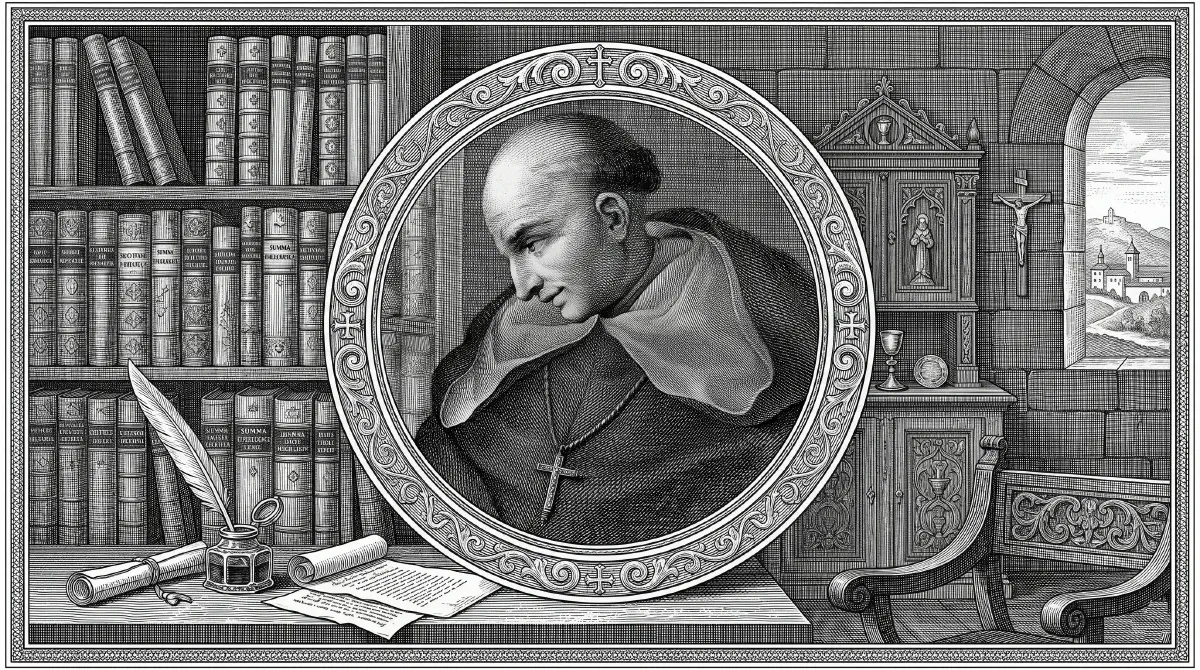
The year is 1542. The roar of conquistadors is being met by the quiet scratching of royal scribes. Charles V, the most powerful man on Earth, shifts his weight on his throne. He has heard troubling news. The vast, new lands across the ocean, meant to be a source of divine glory and earthly treasure, are becoming a graveyard. The native peoples, whose souls he is sworn to save, are being worked to death.
In that moment, the Emperor makes a decision. It will not stop the conquest—but it will change it forever.
✍️ The Law as a Weapon#
Most histories of empires focus on swords, ships, and gold. But the Spanish Empire had a secret weapon, far more powerful than any conquistador’s steel: the law.
From the very beginning, Spain tried to rule its new world, not with a free hand, but with a mountain of paper. The first major attempt was the Laws of Burgos in 1512. Prompted by Dominican friars who witnessed the brutal encomienda system on Hispaniola, the Laws of Burgos were one of the first calls for justice in the Americas. They were meant to regulate how Spaniards treated the Indigenous people, outlawing the worst abuses.
But they were a hammer that couldn't find the nail. They failed, largely because they were unenforceable in a land where encomenderos (the Spanish colonists granted control of native labor) acted as petty kings. King Charles needed a new strategy, one with sharper teeth.
📜 The Great Machine: The New Laws of 1542#
This brings us back to the Emperor’s conscience. The man whispering in his ear was a former encomendero turned Dominican friar: Bartolomé de las Casas. Having witnessed the utter destruction of the Taíno people in the Caribbean, de las Casas wrote his famous Brevísima relación de la destrucción de las Indias (A Short Account of the Destruction of the Indies), a scathing, dramatic, and highly controversial account of Spanish cruelty. He convinced a horrified King Charles to act.
On November 20, 1542, Charles V promulgated the New Laws of the Indies for the Good Treatment and Preservation of the Indians.
- End Hereditary Encomiendas: Encomiendas could no longer be passed down through families, a direct attack on the colonists' new feudal power.
- Free the Indian Slaves: The enslavement of Indigenous people was absolutely forbidden.
- Protect the Natives: The laws established the legal rights of Indigenous peoples and created mechanisms to enforce them.
This was not a suggestion. This was a direct order from the Crown to its own colonists. The New Laws represent the empire trying to regulate its own exploitative nature. From this moment on, every conquistador, every colonial official, and every native village would be entangled in a web of legal procedures, appeals, and counter-appeals. The administrative scaffolding of a global empire was being built.
💥 Gears Grinding: The Violent Failure#
The colonists in the New World did not react with quiet compliance. They fought back.
In Peru, the first Viceroy, Blasco Núñez Vela, tried to enforce the laws. He was met with a full-scale revolt of encomenderos, led by Gonzalo Pizarro, the brother of the famous conqueror of the Incas. In 1546, the viceroy was captured and decapitated. The New Laws were effectively dead in the territory they were meant to save.
This dramatic failure reveals the true nature of the system: the Crown legislated, but the colonists often decreed. The New Laws were not simply obeyed; they were negotiated, ignored, and ultimately rewritten to suit the powerful interests on the ground. The centralized machine of the law met the centrifugal force of colonial reality.
⚖️ The Paradox that Built a World#
The New Laws were a stunning failure and a stunning success.
Fail (in practice): They did not end forced native labor, nor did they break the power of the colonial elite. The encomienda system limped on for decades.
Succeed (in theory): They created the most litigious empire in history. For the next 300 years, Indigenous people in Spanish colonies used the empire’s own legal codes to fight for their rights, their lands, and their autonomy in the courts. The Laws of the Indies, a massive collection of royal decrees, became a labyrinth that everyone had to navigate.
To govern, the Crown had to protect the native populations (its subjects and a source of tax revenue). To conquer, it had to empower the colonists. The New Laws proved that the Crown could not have both. But the very attempt to create a legal framework set in motion a system that would define the empire for centuries.
💎 Endnote: The Paper Trail of Empire#
The Spanish Empire was not just an empire of gold and blood. It was, above all, an empire of ink. Men like Bartolomé de las Casas lost their battles, but they won the war of ideas, embedding the concept of rights within the imperial machinery.
The brutal, brilliant machinery of the Spanish legal system was now in motion. And as we will see, every cog in that machine—from the highest court in Madrid to the lowest village magistrate—had a role to play in the long, brutal, and fascinating story of the casta system, the hacienda, and the inquisition.
Next in the Series: Turn Two: The Caste Calculus – A Social Sorting Algorithm
Further Reading:
- Primary Source: Internet History Sourcebooks. The New Laws of the Indies, 1542.
- Overview: Wikipedia. New Laws of 1542.
- Background: Wikipedia. Laws of Burgos.
- Background: World History Encyclopedia. Council of the Indies.