Key Takeaways#
- The Cultural Code: Just as DNA dictates biological growth, culture dictates how a society functions—imported solutions often carry incompatible “codes.”
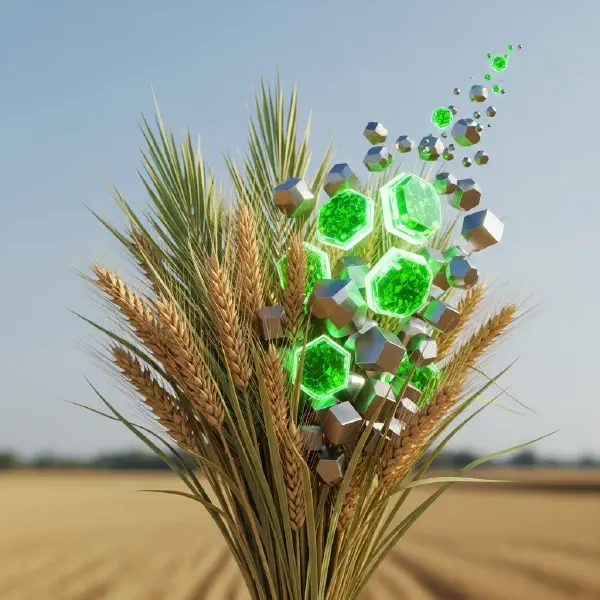
- Tradition as Resource: Traditional knowledge is a reservoir of wisdom that has survived centuries because it works.
- Weaving, Not Assembling: Development should intertwine new threads with old ones to create continuous fabric, not replace the old carpet with plastic.
- Institutional Harmony: Institutions must reflect community values like solidarity, resourcefulness, and respect for nature.
- The Dual Society Problem: Modern institutions often disconnect from informal street-level reality, creating dysfunction.
We have built the philosophy, the economic engine, and the human workforce. But why do so many development projects in the Arab world still fail? Why do “modern” systems often collapse or become corrupt when applied to our reality?
In this fourth step, Dr. Hamed El-Mously points to the missing link: The Cultural Context. He argues that you cannot simply “copy-paste” a Western institution (like a specific management style or a legal framework) into a developing society and expect it to work.
The “Cultural Code”#
El-Mously introduces the fascinating concept of the “Cultural Code.” Just as DNA dictates how a biological organism grows, culture dictates how a society functions.
Every technology or institution carries a code from the culture that created it. When we import a solution from the West, we are also importing a foreign cultural code. If this code clashes with our local values and traditions, the “organism” (society) rejects the transplant.
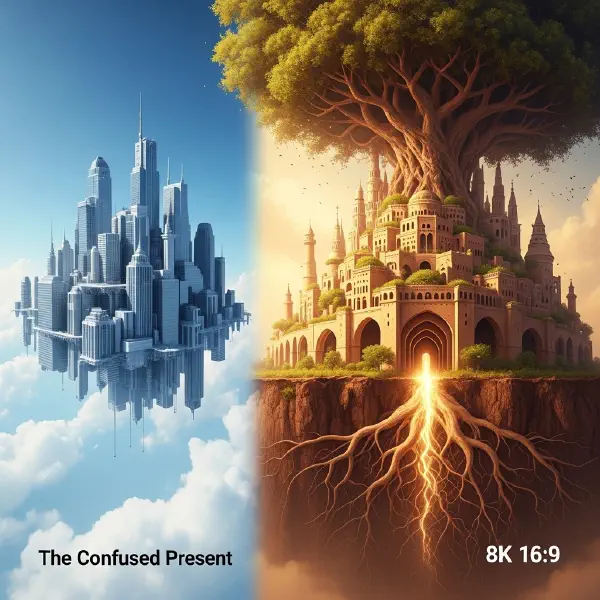
The Mismatch: We often see modern, glass-tower ministries that are disconnected from the chaotic, informal reality of the streets outside. This creates a “dual society”—one part pretending to be Western, the other struggling to survive with no support.
Tradition is Not the Enemy#
A common mistake in modern development is viewing tradition as an obstacle to progress. El-Mously flips this on its head. He argues that Traditional Knowledge is actually a reservoir of wisdom that has survived for centuries because it works.
Instead of destroying traditional structures (like the extended family, the guild, or the village council) to replace them with bureaucratic offices, we should modernize them.
Example: Rather than importing a foreign housing design that requires expensive AC and creates social isolation, why not study traditional architecture (which naturally cools the home and encourages family bonding) and upgrade it with modern materials?
Weaving, Not Assembling#
El-Mously uses a powerful metaphor for development: Weaving.
- Assembling: Puts together separate, lifeless parts (like a machine). This is the Western industrial model.
- Weaving: Intertwines new threads with old ones to create a continuous fabric.
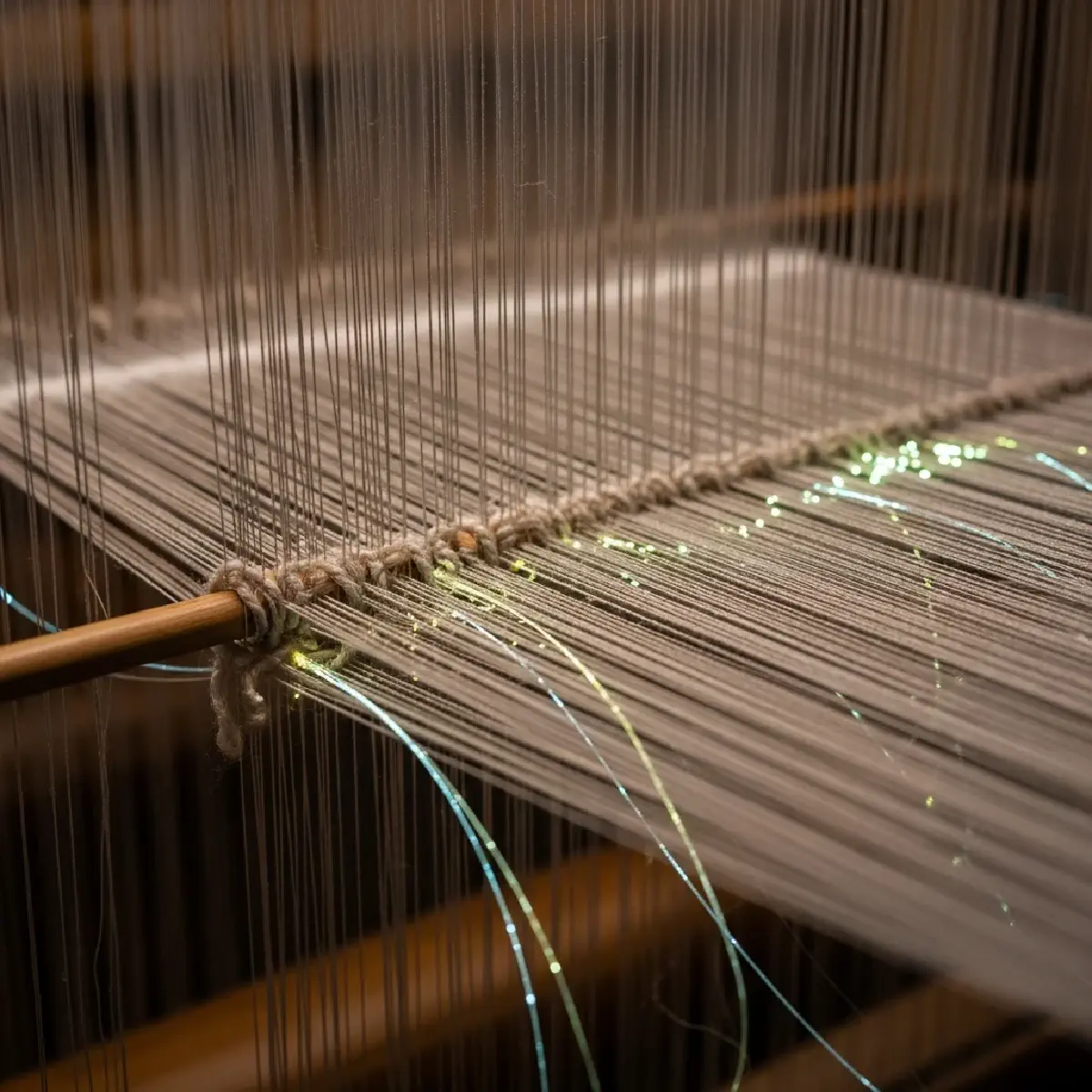
Development should be a process of weaving modern science into the existing fabric of our culture. We shouldn’t throw away the old carpet to buy a plastic one; we should weave new, stronger threads into the rug we already have. This ensures that change is sustainable and accepted by the people.
Institutional Harmony#
For institutions to succeed, they must possess “Harmony” (Insijam) with the environment and the people. A government or an NGO cannot force change from the top down. It must build institutions that reflect the values of the community—values like solidarity, resourcefulness, and respect for nature.
Development is not just about building hardware (roads and factories); it is about debugging the software (institutions). We must stop treating our culture as a hindrance and start treating it as the foundation upon which unique, resilient institutions can be built.
Coming Up Next: We have covered all the bases. Now, how do we bring this all together? In our final post, Part 5, we will look at The Synthesis, summarizing how we can turn these reflections into immediate, collective action.
This series is based on Dr. Hamed El-Mously’s book “Reflections on Development” (Ta’ammulāt fī at-Tanmiyah), available at the Hindawi Foundation.