Key Takeaways#
- The Poor as Solution: Marginalized communities display incredible ingenuity to survive—they are not a burden but an untapped resource.
- Innovation for the Poor: True human development means empowering natural creativity, not giving handouts.
- Education Disconnect: Current education often prepares students for jobs that don’t exist while devaluing practical, hands-on work.
- Contextual Education: Teaching should focus on local technology, local resources, and solving local problems.
- Bridging the Divide: We need engineers and scientists who work alongside craftsmen and farmers, merging modern science with traditional wisdom.
We have looked at the philosophy and the economy. Now, we arrive at the most critical asset any nation possesses: Its People.
In many conventional development models, the poor are often viewed as a “burden”—a statistic that needs to be managed, fed, or subsidized. Dr. Hamed El-Mously radically challenges this view in Reflections on Development. He argues that the poor are not the problem; they are the solution.
The Creativity of the Poor#
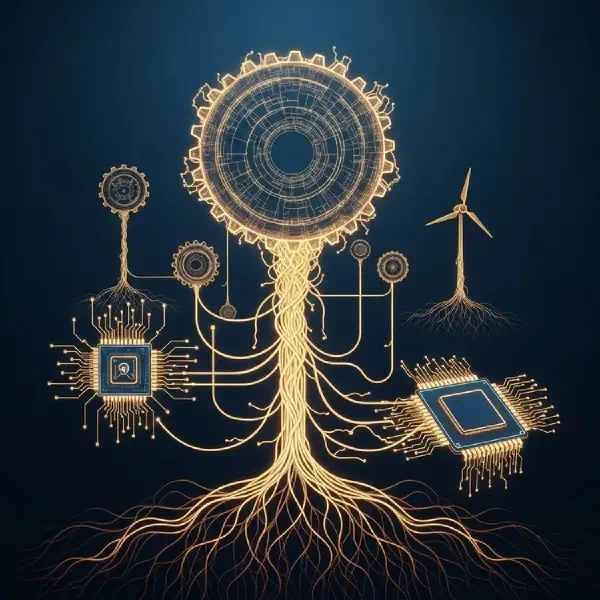
One of the book’s most compelling concepts is “Innovation for the Poor” (or Innovation by the Poor). El-Mously observes that in the absence of resources, marginalized communities often display incredible ingenuity just to survive. They repair, repurpose, and adapt materials in ways that highly industrialized societies have forgotten.
True human development, he suggests, doesn’t mean giving the poor handouts. It means empowering their natural creativity. It involves providing them with the scientific knowledge and simple tools to upgrade their traditional crafts and local industries.
Example: Instead of a farmer just selling raw crops, how can they be given the technology to process agricultural waste into boards, fodder, or fuel?
Education: Disconnected from Reality?#
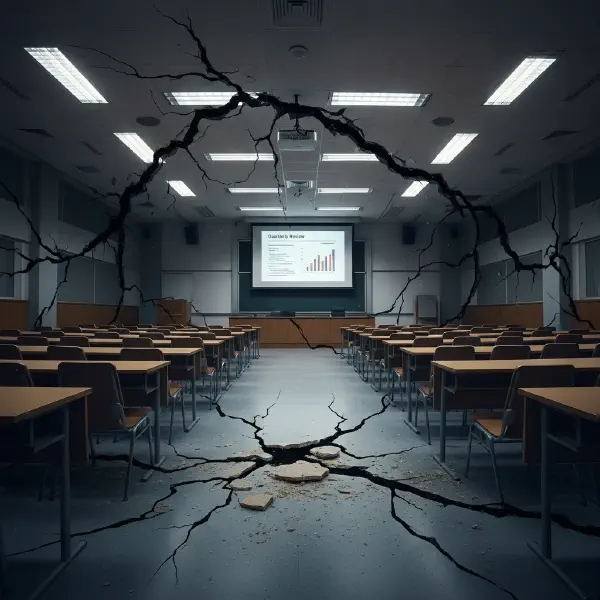
The book also critiques the current state of education in the developing world. El-Mously notes that our schools often alienate students from their environment. We teach a curriculum imported from the West that prepares students for “white-collar” jobs that may not exist, while looking down on vocational, hands-on work.
The result? A generation that is “educated” but unable to interact productively with their own local reality.
The Proposed Shift: Education must be contextual. It should teach the history of local technology, the value of local resources, and the skills to solve local problems. It should bridge the gap between the “theoretical” university and the “practical” workshop.
Bridging the Social Divide#
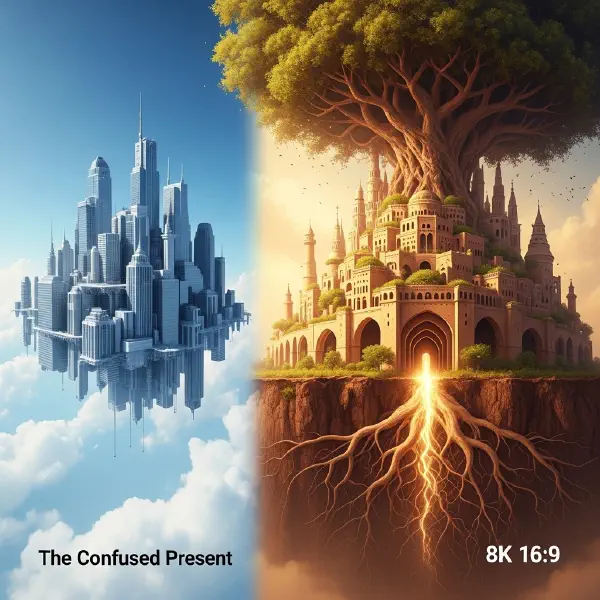
El-Mously warns of a society splitting into two:
- The Elite: Who are culturally and economically connected to the West, consuming imported goods and ideas.
- The Majority: Who are left behind, their traditional knowledge undervalued.
To develop the “Human Aspect,” we must bridge this gap. We need engineers and scientists who don’t just sit in air-conditioned offices designing for an abstract “global market,” but who go into the field to work alongside craftsmen and farmers, merging modern science with traditional wisdom.
Human development is not just about literacy rates or health stats. It is about dignity and capability. It is about recognizing that the greatest reservoir of innovation often lies with the people we ignore, and that education should be a tool to unlock that potential, not escape it.
Coming Up Next: How do we sustain this? Development isn’t just individual actions; it requires systems. In Part 4, we will explore The Institutional Aspect, discussing how culture, values, and governance hold it all together.
This series is based on Dr. Hamed El-Mously’s book “Reflections on Development” (Ta’ammulāt fī at-Tanmiyah), available at the Hindawi Foundation.