The Portuguese Colonial Empire: A Systems Analysis
A hybrid narrative – analytical, human, and systemic – that unpacks five centuries of Portuguese colonialism, from the first caravels to the last refugees.
📖 Introduction#
Between 1415 and 1999, Portugal ran the longest‑lived European colonial empire. It invented the transatlantic slave trade, created the first global network of fortified ports, and developed an ideology – Lusotropicalism – that still persuades many that Portuguese colonialism was uniquely benign.
Yet the empire was not a monolithic villain. It was a machine: a set of interlocking mechanisms – extraction loops, path dependence, asymmetric information, oscillation dynamics – that worked with cold efficiency for centuries before seizing up in a bloody decolonisation.
This six‑part series, written for readers of Reader’s Digest and The Economist alike, uses analytical narrative and systems thinking to show those mechanisms at work. Each article combines human‑scale storytelling with rigorous economic and political analysis. Shortcodes from the Blowfish UI theme are embedded throughout to enhance navigation and visual clarity.
Key Insights#
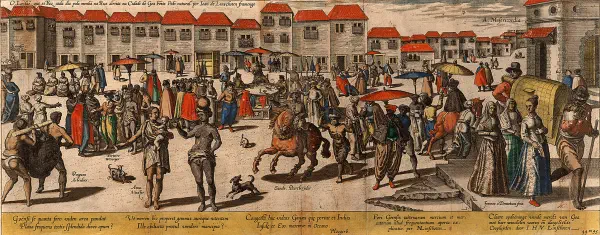
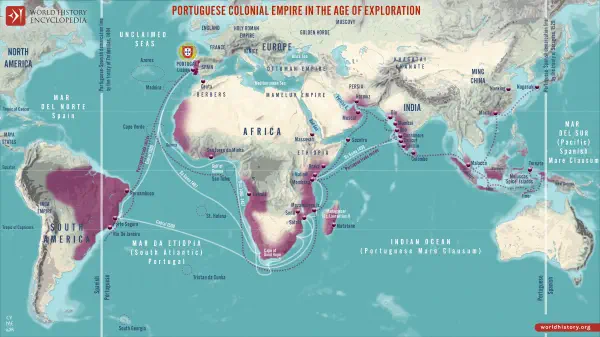
The empire was a “thin” system. Portugal controlled sea routes and choke points (feitorias), not vast inland territories. This capital‑light model was an ingenious adaptation to the metropole’s small population – but it also made the empire brittle.
Positive feedback loops powered the engine. Each new conquest financed the next; each slave shipment lowered the cost of sugar; each gold bar bought more muskets for more slave raids. The loops were self‑reinforcing until they became self‑destructive.
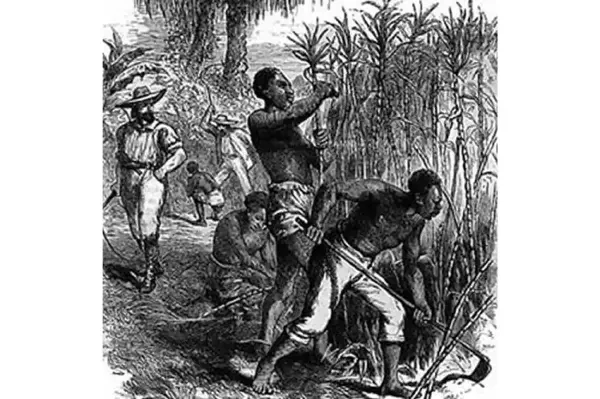
Extraction was the core mechanism – never “civilisation.” From spices to slaves, from sugar to cotton to gold, the Portuguese colonial system was designed to move value from Africa and Brazil to Lisbon. The oft‑cited mission of spreading Catholicism or European culture was, at best, a secondary by‑product.
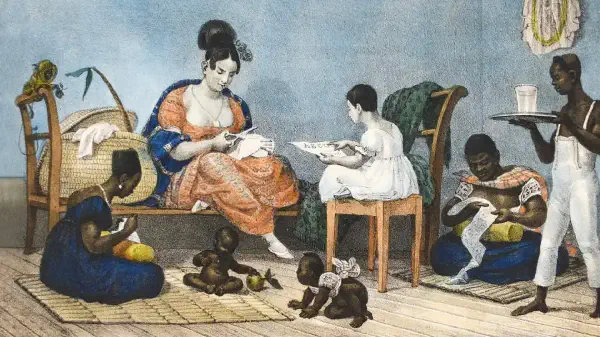
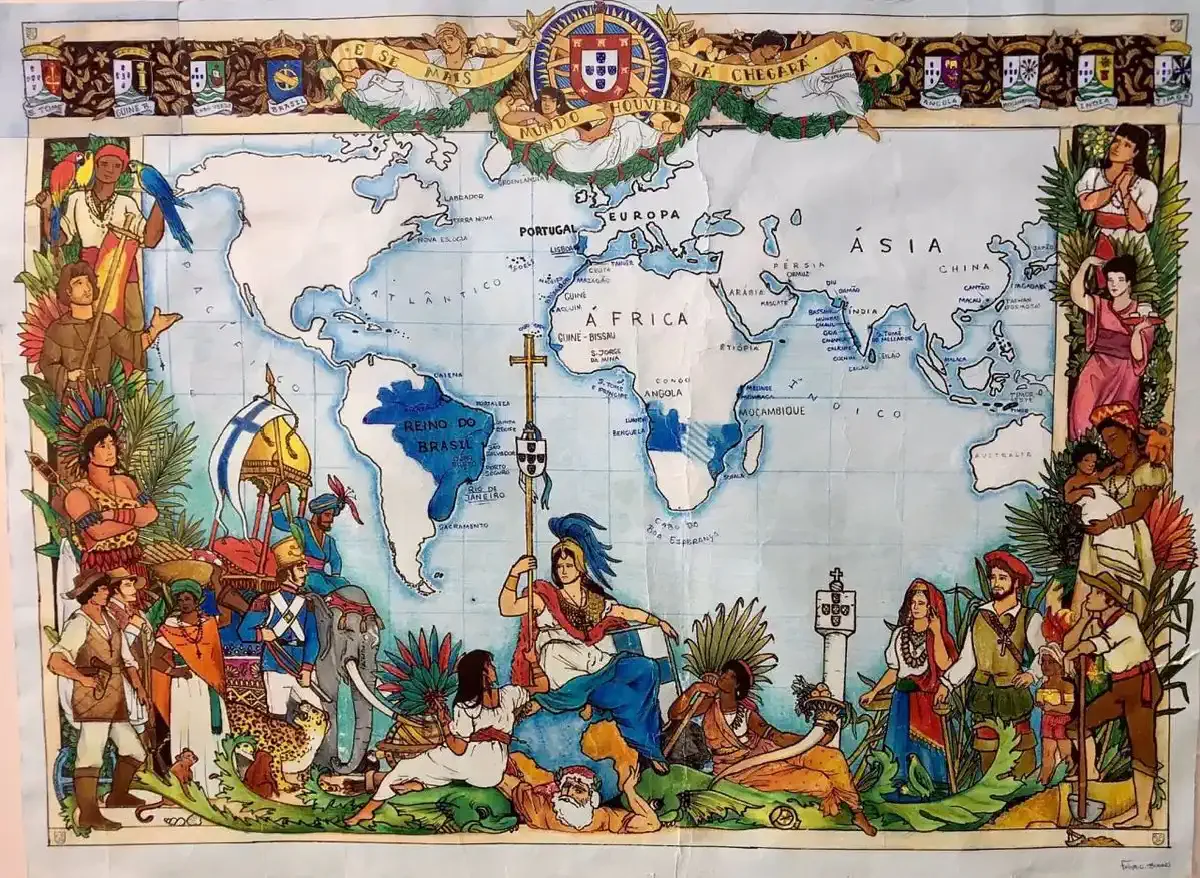
Lusotropicalism was an ideological efficiency tool. The myth of Portuguese racial harmony and miscegenation reduced the political cost of colonial rule. It was asymmetric information – a story that allowed the coloniser to feel virtuous while forced labour continued.
Oscillation between reform and repression destabilised late colonialism. The Estado Novo invested heavily in colonial “development” while refusing to end forced labour or grant real citizenship. That contradiction fuelled the liberation wars and bankrupted the regime.
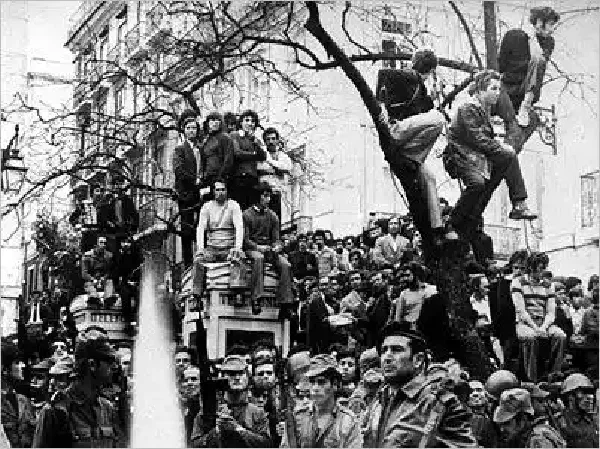
The Carnation Revolution triggered catastrophic institutional collapse. Portugal’s sudden abandonment of its colonies created power vacuums that led to the Angolan and Mozambican civil wars – some of the deadliest conflicts of the late 20th century.
Colonialism has path‑dependent legacies. Portuguese‑speaking Africa remains locked into raw‑material export economies. Portugal itself has not reckoned with its racial hierarchy or with the trauma of the retornados. The empire is not buried; it lives in economic structures, social habits, and contested memories.
References#
Birmingham, D. (1995). The decolonisation of Portugal’s African empire. Hurst & Company.
Birmingham, D. (1999). Portugal and Africa. Palgrave Macmillan.
Bischeri, M., & Jerónimo, M. B. (Eds.). (2015). O império colonial em questão: Poderes, saberes e instituições. Edições 70.
Cann, J. P. (1997). Counterinsurgency in Africa: The Portuguese way of war, 1961‑1974. Greenwood Press.
Castelo, C. (1998). O modo português de estar no mundo: O luso‑tropicalismo e a ideologia colonial portuguesa (1933‑1961). Edições Afrontamento.
Chabal, P., Birmingham, D., & Newitt, M. (Eds.). (1993). The post‑colonial literature of Lusophone Africa. Hurst & Company.
Fonseca, J. (2019). Retornados: Uma história portuguesa. Tinta‑da‑china.
Freyre, G. (1933). Casa‑grande & senzala. Record. (Original work published 1933)
Jerónimo, M. B. (2015). The ‘civilising’ mission of Portuguese colonialism, 1870‑1930. Palgrave Macmillan.
Klein, H. S. (2010). The Atlantic slave trade (2nd ed.). Cambridge University Press.
Maxwell, K. (1995). The making of Portuguese democracy. Cambridge University Press.
Meneses, M. P. (2014). O “Portugal não é um país pequeno”: Contando a “estória” da nação em manuais escolares. In M. P. Meneses & B. S. Martins (Eds.), As guerras de libertação e os sonhos coloniais (pp. 57‑84). Almedina.
Miller, J. C. (1988). Way of death: Merchant capitalism and the Angolan slave trade, 1730‑1830. University of Wisconsin Press.
Newitt, M. (2004). A history of Portuguese overseas expansion, 1400‑1668. Routledge.
Ribeiro, M. C., & Laranjeira, J. (2022). O lugar do colonizado na memória do colonialismo: Narrativas, silêncios e contra‑memórias. Edições Colibri.
Russell‑Wood, A. J. R. (1998). The Portuguese empire, 1415‑1808: A world on the move. Johns Hopkins University Press.
Schwartz, S. B. (1985). Sugar plantations in the formation of Brazilian society: Bahia, 1550‑1835. Cambridge University Press.
Vail, L. (Ed.). (1998). The creation of tribalism in Southern Africa. James Currey. (See chapters on Portuguese colonial policy)