
The Epomis Protocol: Deceptive Entrapment and Aggression Baiting
Series Overview#
This series is a component of the larger intellectual project, “Parasitic Mechanisms as Systems for Geopolitics: The Biology of Power.” This mega-series employs biological models of parasitism as precise analytical frameworks to dissect historical and modern strategies of asymmetric control. Each core series examines a distinct parasitic “playbook,” from neurological hijack to behavioral manipulation. You are currently reading Series #7: The Epomis Protocol. The complete taxonomy includes:
- The Wasp Doctrine: Neurological Hijack and Executive Control.
- The Cordyceps Directive: Total Ideological Reprogramming.
- The Sacculina Strategy: Castration and Resource Diversion.
- The Glyptapanteles Gambit: Proxy Armies and Client States.
- The Horsehair Worm Protocol: Engineering Strategic Despair.
- The Dicrocoelium Design: Multi-Host Supply Chain Control.
- The Epomis Protocol: Deceptive Entrapment and Aggression Baiting.
- The Swarm Imperative: Decentralized Networks and Anti-Fragile Systems.
- Capstone: Predator Taxonomy: The Behavioral Ecology of Empires. Explore the full project to understand how these biological systems provide a unified theory of geopolitical power.
Key Insights#
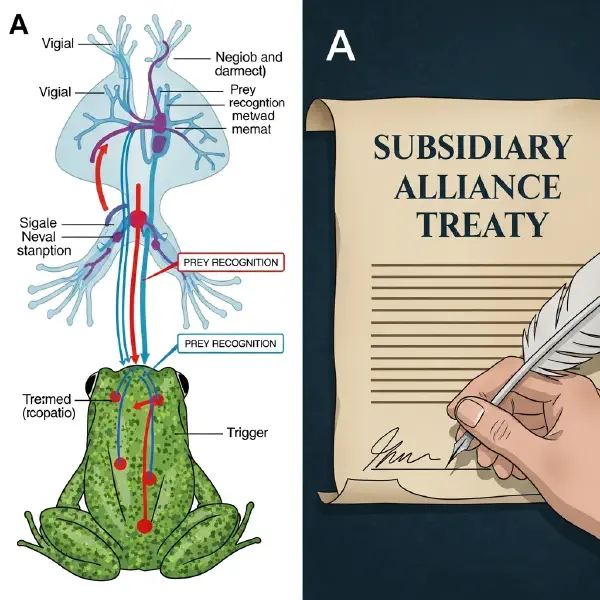
- Biological Blueprint: The Epomis beetle’s strategy of baiting predators into traps provides a model for imperial entrapment through invited intervention.
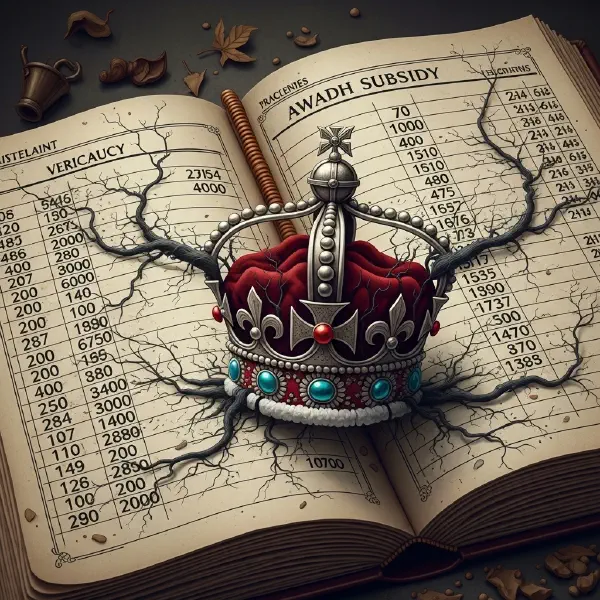
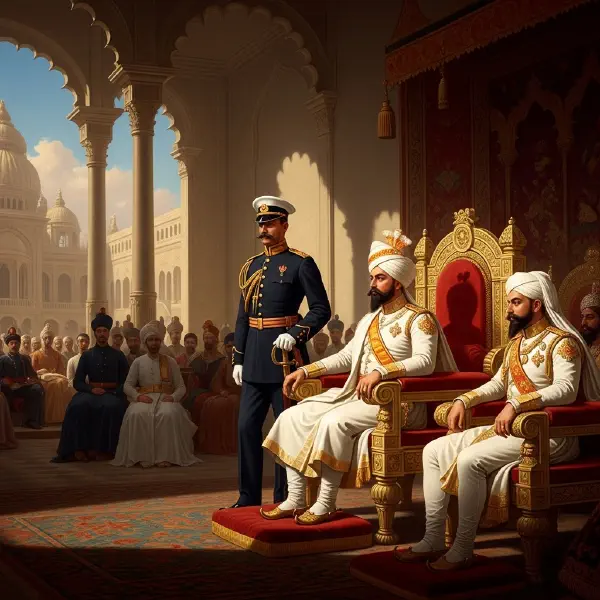
- Historical Perfection: The British Subsidiary Alliances in India turned defensive treaties into mechanisms of total control through debt and dependency.
- Modern Evolution: The protocol persists in modern geopolitics through strategic alliances that lead to entrapment and annexation.
- Architectural Resilience: Defense requires recognizing bait-and-switch tactics and maintaining sovereign military and financial autonomy.
References#
- Bayly, C. A. (1988). Indian Society and the Making of the British Empire. Cambridge University Press.
- Metcalf, T. R. (1995). Ideologies of the Raj. Cambridge University Press.
- Stein, B. (1989). Thomas Munro: The Origins of the Colonial State and His Vision of Empire. Oxford University Press.
- Washbrook, D. A. (1990). The Indian Economy and the British Empire. In The Oxford History of the British Empire: The Eighteenth Century (pp. 407-431). Oxford University Press.
- Peers, D. M. (2006). Between Mars and Mammon: Colonial Armies and the Garrison State in India 1819-1835. I.B. Tauris.