This series is a component of the larger intellectual project, "Parasitic Mechanisms as Systems for Geopolitics: The Biology of Power." This mega-series employs biological models of parasitism as precise analytical frameworks to dissect historical and modern strategies of asymmetric control. Each core series examines a distinct parasitic "playbook," from neurological hijack to behavioral manipulation. You are currently reading Series #6: The Dicrocoelium Design. The complete taxonomy includes:
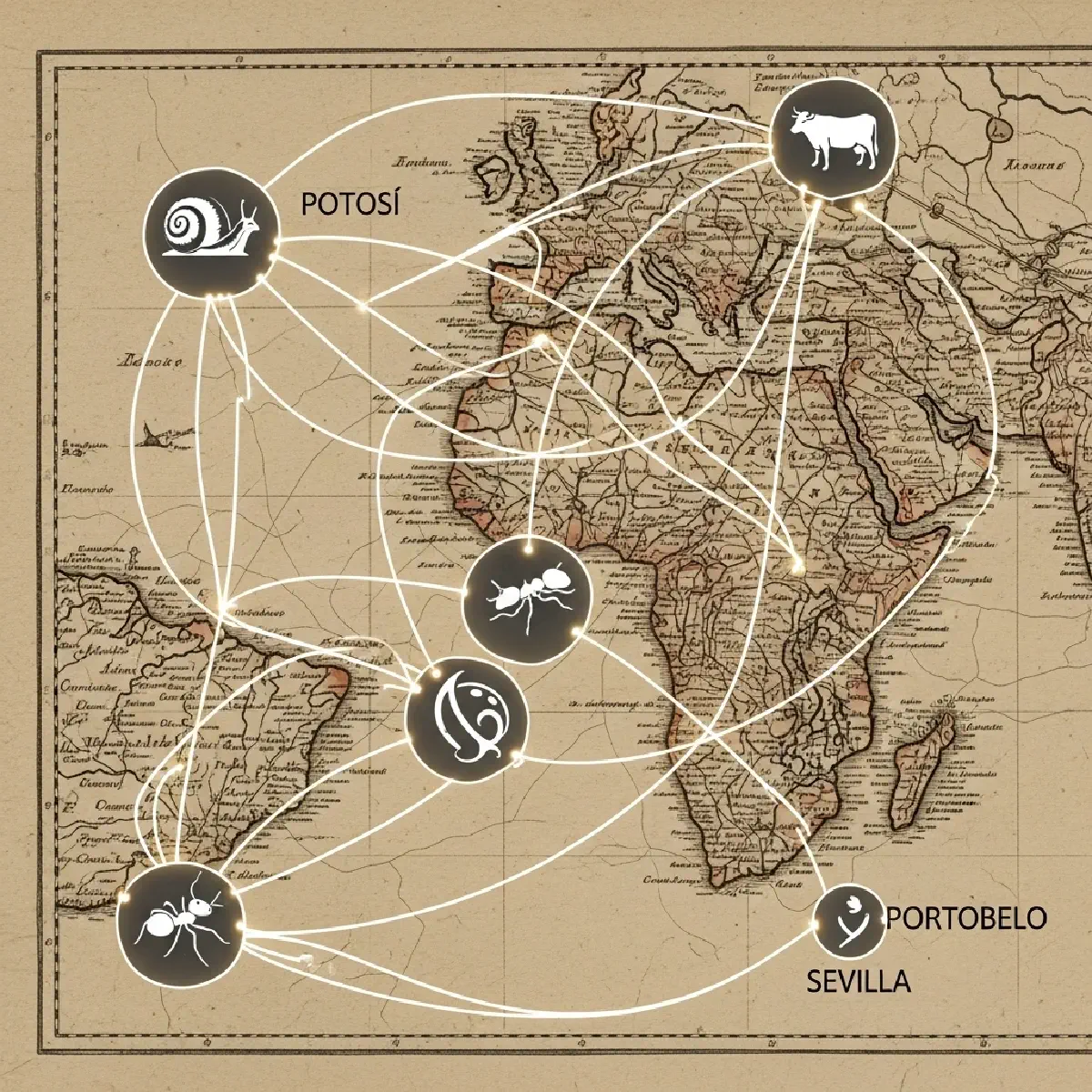
The Dicrocoelium parasite uses multiple hosts in a supply chain to reach its final destination, illustrating how empires can control complex resource flows through intermediaries.
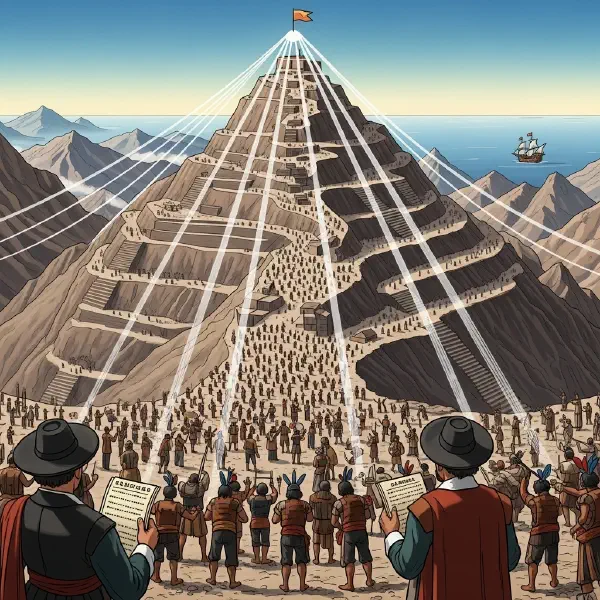
Spain's silver extraction system mirrored this by reprogramming Andean labor, regimenting galleon convoys, and feeding European financial networks.
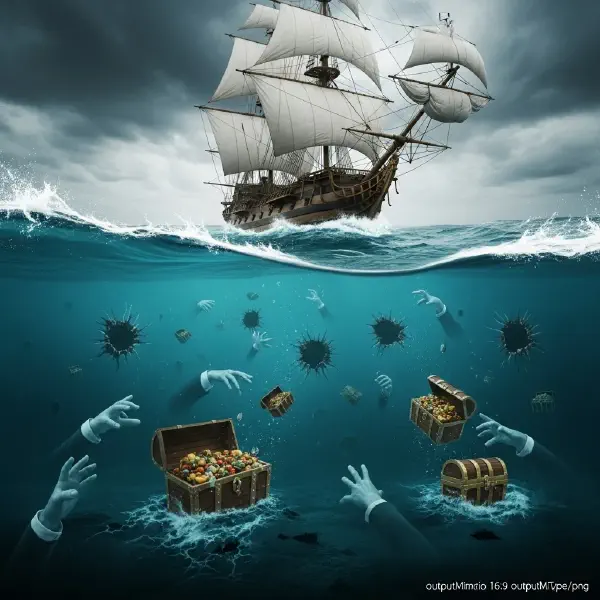
Rigid supply chains are brittle, vulnerable to shocks like piracy, depletion, and inflation, leading to systemic failures.
Modern global supply chains and digital economies continue this logic, with similar risks of brittleness and exploitation.
Marichal, C. (2007). Bankruptcy of Empire: Mexican Silver and the Wars Between Spain, Britain, and France, 1760-1810. Cambridge University Press. ISBN: 978-0521879641
Stein, S. J., & Stein, B. H. (2000). Silver, Trade, and War: Spain and America in the Making of Early Modern Europe. Johns Hopkins University Press. ISBN: 978-0801861352
Lane, K. (2019). Potosí: The Silver City That Changed the World. University of California Press. ISBN: 978-0520303072
Tutino, J. (2011). Making a New World: Founding Capitalism in the Bajío and Spanish North America. Duke University Press. ISBN: 978-0822349898
Flynn, D. O., & Giráldez, A. (1995). "Born with a 'Silver Spoon': The Origin of World Trade in 1571." Journal of World History, 6(2), 201-221.
Grafe, R., & Irigoin, A. (2012). "A Stakeholder Empire: The Political Economy of Spanish Imperial Rule in America." The Economic History Review, 65(2), 609-651.
Baskes, J. (2000). Indians, Merchants, and Markets: A Reinterpretation of the Repartimiento and Spanish-Indian Economic Relations in Colonial Oaxaca, 1750-1821. Stanford University Press.
Arrighi, G. (1994). The Long Twentieth Century: Money, Power, and the Origins of Our Times. Verso. ISBN: 978-1859840153 (For world-systems analysis of capital flows).
Cowen, D. (2014). The Deadly Life of Logistics: Mapping Violence in Global Trade. University of Minnesota Press. ISBN: 978-0816680870 (For modern supply chain analysis).
Patel, R., & Moore, J. W. (2017). A History of the World in Seven Cheap Things: A Guide to Capitalism, Nature, and the Future of the Planet. University of California Press. ISBN: 978-0520299937