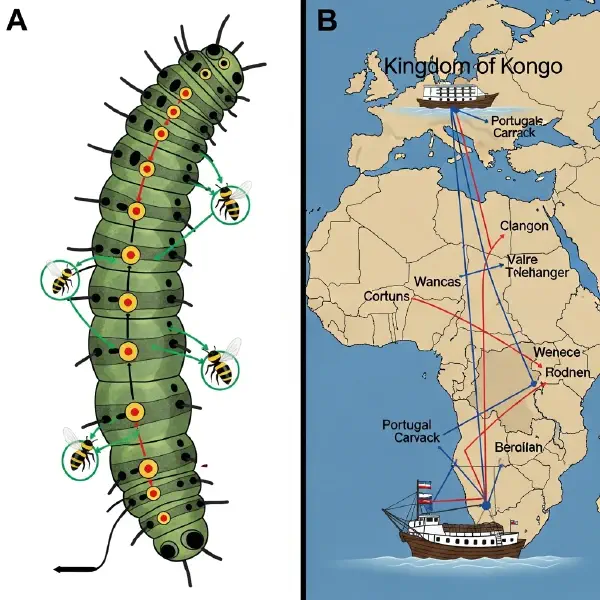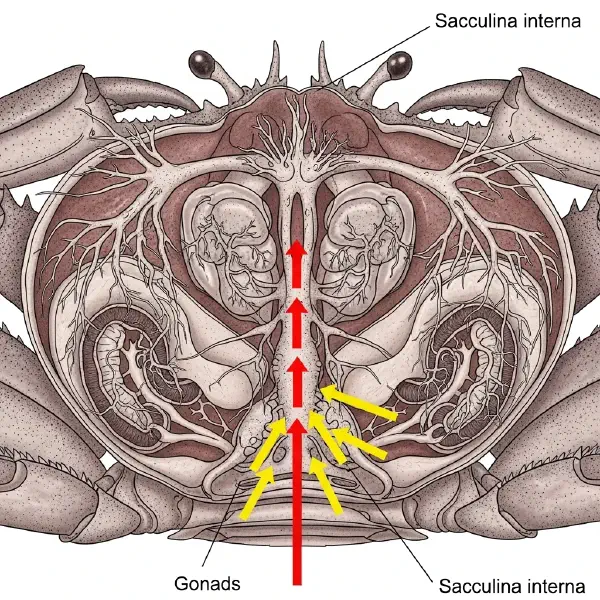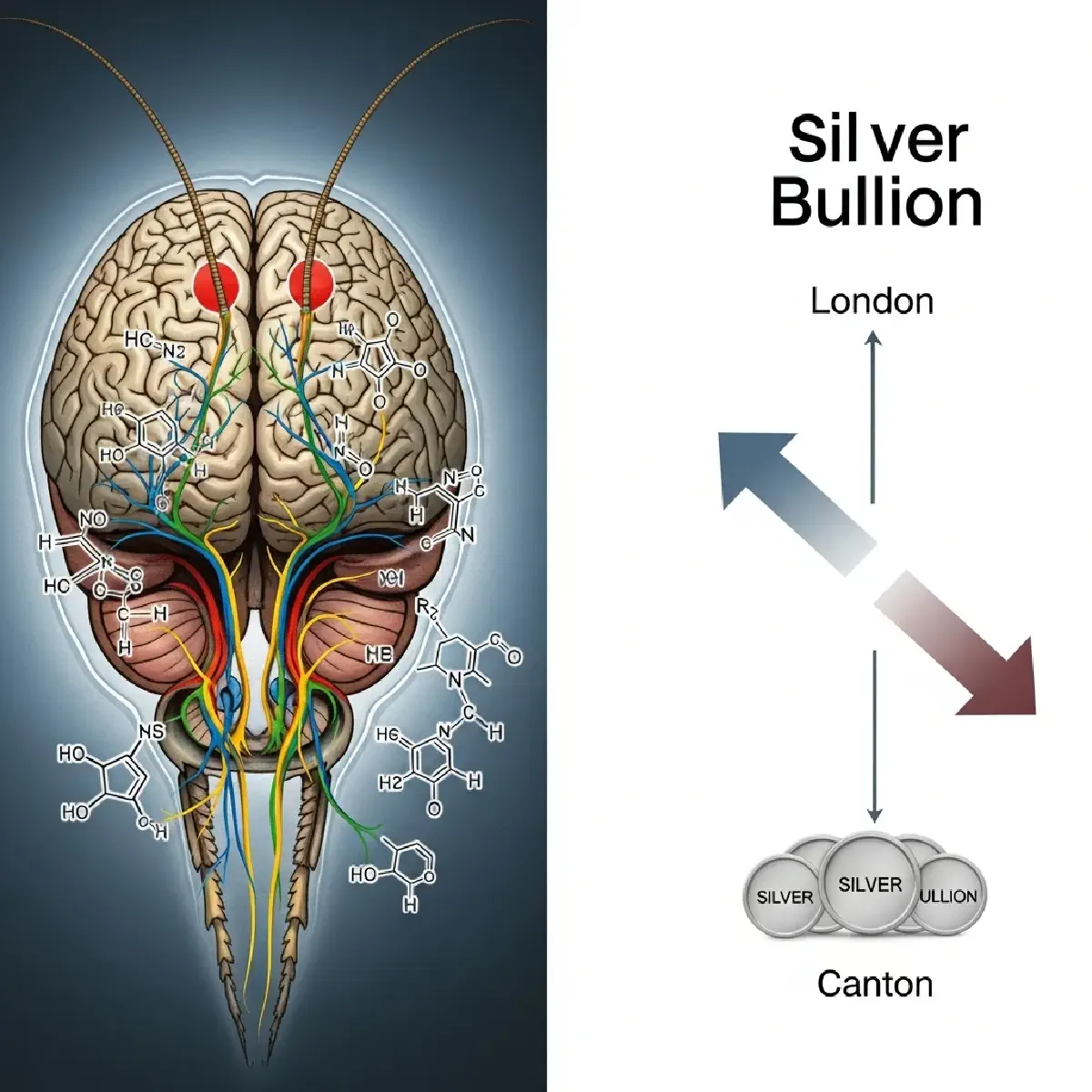
On the edge of a European meadow, a cricket exhibits a fatal, bewildering compulsion. Normally terrestrial and moisture-averse, it now jumps erratically, not away from water, but directly toward it. It locates a pond, enters, and drowns. From its lifeless body, a long, thin horsehair worm (Nematomorpha) emerges, now in its aquatic element, ready to mate. The worm did not kill the cricket through direct attack. Instead, it performed a masterpiece of behavioral hijacking, secreting compounds that altered the cricket’s central nervous system to reverse its core survival instinct. The host is compelled to seek the very environment that will kill it, completing the parasite’s reproductive cycle. This is the essence of the Horsehair Worm Protocol: the engineering of self-destructive behavior in a host to fulfill the parasite’s needs.
This biological model provides a devastating lens for analyzing one of the most insidious forms of geopolitical power: where a dominant state does not conquer through direct force, but by rewiring the economic and social behavior of a target nation until it compulsively acts against its own survival. The paradigm case is the British-driven opium trade with Qing China in the 18th and 19th centuries. Here, the British Empire, facing a crippling trade deficit, did not launch an immediate invasion. It introduced an addictive commodity that systematically reprogrammed Chinese society, compelling it to drown itself in a crisis of its own making, from which Britain would extract strategic concessions.
On the edge of a European meadow, a cricket exhibits a fatal, bewildering compulsion. Normally terrestrial and moisture-averse, it now jumps erratically, not away from water, but directly toward it. It locates a pond, enters, and drowns. From its lifeless body, a long, thin horsehair worm (Nematomorpha) emerges, now in its aquatic element, ready to mate. The worm did not kill the cricket through direct attack. Instead, it performed a masterpiece of behavioral hijacking, secreting compounds that altered the cricket’s central nervous system to reverse its core survival instinct. The host is compelled to seek the very environment that will kill it, completing the parasite’s reproductive cycle. This is the essence of the Horsehair Worm Protocol: the engineering of self-destructive behavior in a host to fulfill the parasite’s needs.
This biological model provides a devastating lens for analyzing one of the most insidious forms of geopolitical power: where a dominant state does not conquer through direct force, but by rewiring the economic and social behavior of a target nation until it compulsively acts against its own survival. The paradigm case is the British-driven opium trade with Qing China in the 18th and 19th centuries. Here, the British Empire, facing a crippling trade deficit, did not launch an immediate invasion. It introduced an addictive commodity that systematically reprogrammed Chinese society, compelling it to drown itself in a crisis of its own making, from which Britain would extract strategic concessions.
Decoding the Hijack: The Parasite’s Neurological Toolkit#
The horsehair worm’s lifecycle is a two-stage manipulation of two different hosts, but its climax is a precise behavioral override. The larval worm is ingested by a water-dwelling insect like a mayfly larva. When a cricket or grasshopper eats that insect, the worm transfers to its new, terrestrial host. Inside, it grows, absorbing nutrients. The critical intervention occurs when the mature worm needs to return to water.
Research indicates the worm alters the host’s phototaxis—its innate response to light. It produces molecules that mimic or interfere with the host’s own neurotransmitters. The cricket’s brain, seeking bright, horizontal light patterns (which naturally mimic the reflective surface of water), is flooded with compulsive commands to find and enter water. The host’s navigational system is turned against it. Its fear of drowning is disabled; its attraction to water is maximized. The worm achieves total control not by holding a gun to the cricket’s head, but by making the cricket desperately want to jump into the pool.
From Meadow to Marketplace: Translating the Protocol#
The Horsehair Worm Protocol translates to geopolitical strategy through a series of analogous steps:
- Identify the Critical Vulnerability: The parasite identifies a host with a valuable resource (the cricket’s body as a vehicle to water). For Britain, China represented a massive market and source of goods (tea, porcelain, silk) but had a “vulnerability”: its monetary system ran on silver, which it demanded for its exports.
- Introduce the Manipulative Agent: The parasite introduces a novel, biologically active agent into the host system. For Britain, this was opium from its Indian colonies. Opium was not just a commodity; it was a psychoactive vector capable of rewiring individual desire and collective economic behavior.
- Override Core Survival Instincts: The agent works to invert the host’s natural protective behaviors. China’s Confucian state sought stability, social order, and control over foreign influence. Opium addiction eroded bureaucratic discipline, drained household wealth, and created a massive illicit economy—directly attacking the state’s core instincts for self-preservation.
- Trigger the Compulsive, Self-Destructive Sequence: As dependency deepens, the host is driven to act in ways that are individually and collectively catastrophic, solely to service the need. China’s silver reserves hemorrhaged to pay for opium, crippling its currency. The state’s attempt to suppress the trade (a survival reflex) triggered the very conflict—the Opium Wars—that would force it to legalize the drug, cementing its dependency.
The goal is not to destroy the host immediately, but to guide it into a situation where its own actions lead to a crisis from which the parasite can harvest maximum reward. The British did not initially seek to partition China; they sought to engineer a behavior—addictive consumption—that would reverse the silver flow and force open the market. The cricket was to be led to water, where it would have no choice but to drown or submit.