This series is a component of the larger intellectual project, "Parasitic Mechanisms as Systems for Geopolitics: The Biology of Power." This mega-series employs biological models of parasitism as precise analytical frameworks to dissect historical and modern strategies of asymmetric control. Each core series examines a distinct parasitic "playbook," from neurological hijack to behavioral manipulation. You are currently reading Series #3: The Sacculina Strategy. The complete taxonomy includes:
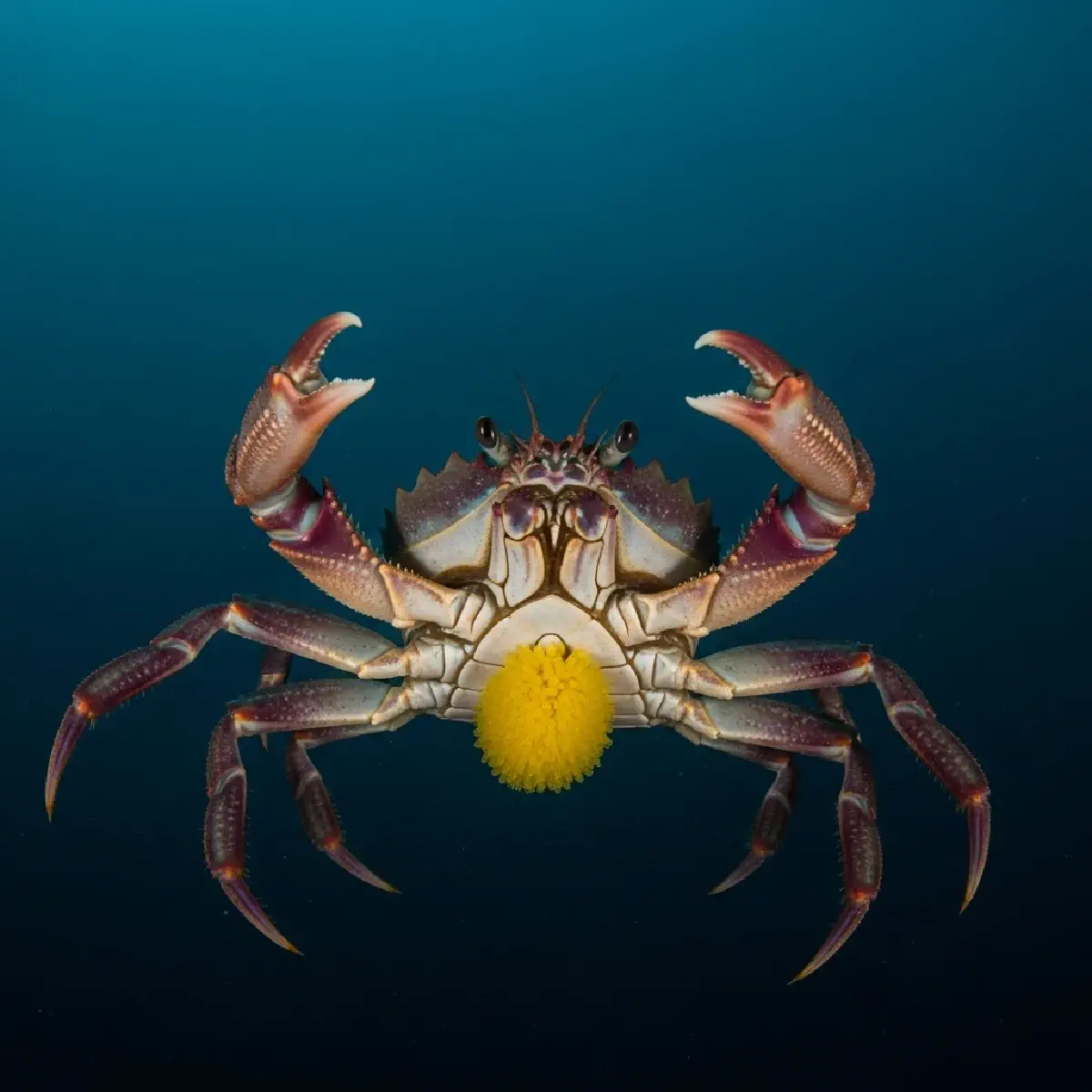
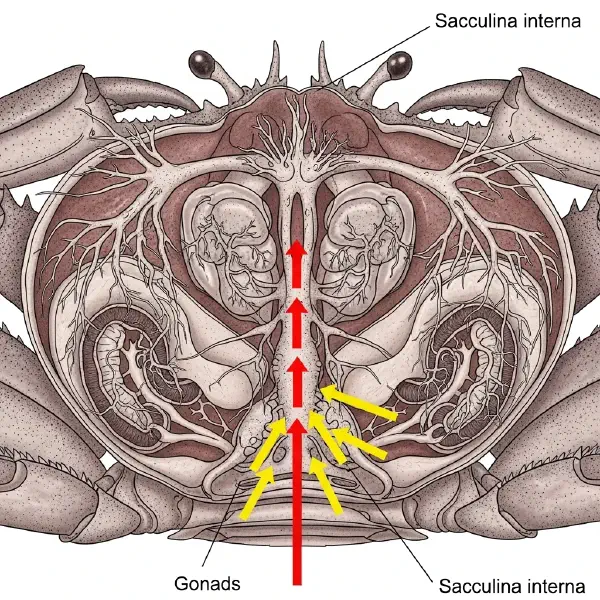
The Sacculina barnacle provides a biological blueprint for total host takeover through castration and resource diversion, mirroring the Dutch East India Company's (VOC) strategy in the Banda Islands.
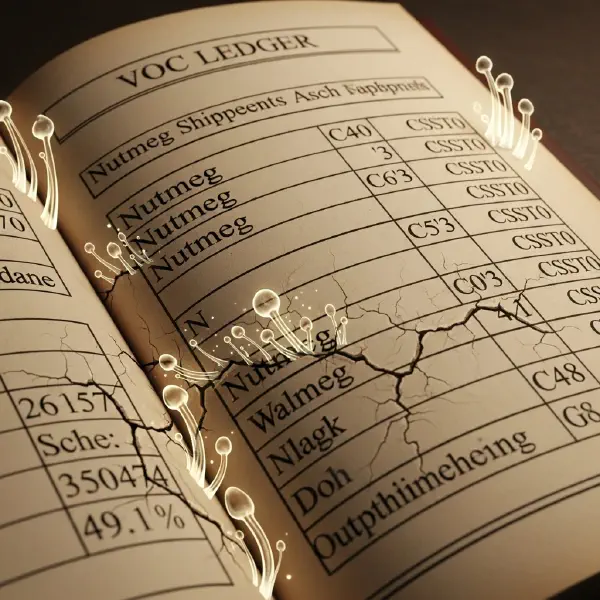
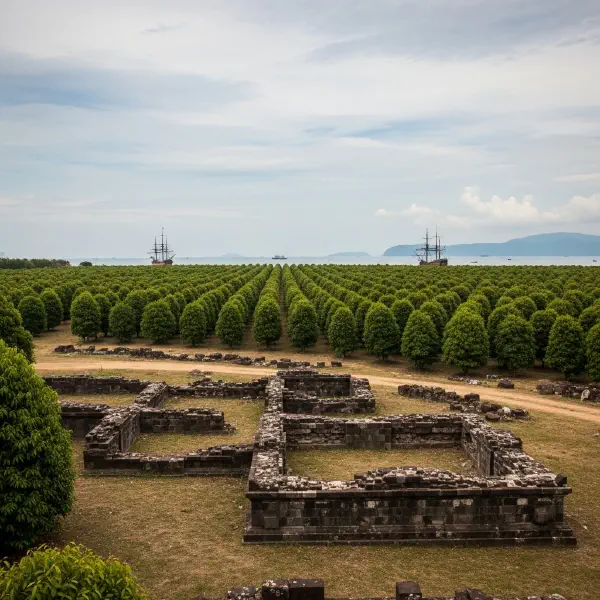
The VOC's genocide and monoculture imposition transformed a sovereign trading society into a corporate plantation, prioritizing nutmeg production over human autonomy.
The system's extreme control created inherent vulnerabilities: ecological brittleness, logistical dependency, and market subversion through smuggling and biological theft.
The Sacculina Strategy demonstrates how short-term extraction through host castration ultimately leads to long-term systemic collapse and obsolescence.
Clulow, A. (2019). The Company and the Shogun: The Dutch Encounter with Tokugawa Japan. Columbia University Press. (For analysis of VOC sovereign strategy).
Dash, M. (2001). Batavia's Graveyard: The True Story of the Mad Heretic Who Led History's Bloodiest Mutiny. Crown Publishers. (Details VOC culture and the Banda genocide).
Gaastra, F. S. (2003). The Dutch East India Company: Expansion and Decline. Walburg Pers. ISBN: 978-9057302010
Hanna, W. A. (1978). Indonesian Banda: Colonialism and its Aftermath in the Nutmeg Islands. Institute for the Study of Human Issues.
Parthesius, R. (2010). Dutch Ships in Tropical Waters: The Development of the Dutch East India Company (VOC) Shipping Network in Asia 1595-1660. Amsterdam University Press.
Ricklefs, M. C. (2008). A History of Modern Indonesia Since c. 1200 (4th ed.). Stanford University Press. ISBN: 978-0804744805
Vink, M. (2003). "The World's Oldest Trade": Dutch Slavery and Slave Trade in the Indian Ocean in the Seventeenth Century." Journal of World History, 14(2), 131–177.
van Zanden, J. L. (1993). The Rise and Decline of Holland's Economy: Merchant Capitalism and the Labour Market. Manchester University Press.
Ward, K. (2009). Networks of Empire: Forced Migration in the Dutch East India Company. Cambridge University Press. ISBN: 978-0521885864
Worden, N. (Ed.). (2012). Cape Town between East and West: Social Identities in a Dutch Colonial Town. Jacana Media.
Examining the Sacculina barnacle's lifecycle and strategy of host castration as a biological model for the Dutch East India Company's colonial parasitism.