IPCC. (2023). Climate Change 2023: Synthesis Report. Contribution of Working Groups I, II and III to the Sixth Assessment Report of the Intergovernmental Panel on Climate Change [Core Writing Team, H. Lee and J. Romero (eds.)]. IPCC, Geneva, Switzerland, 151 pp.
Watts, N., Amann, M., Arnell, N., Ayeb-Karlsson, S., Belesova, K., Boykoff, M., ... & Costello, A. (2021). The 2021 report of the Lancet Countdown on health and climate change: code red for a healthy future. The Lancet, 398(10311), 1619-1662.
Hsiang, S. M., Burke, M., & Miguel, E. (2013). Quantifying the influence of climate on human conflict. Science, 341(6151), 1235367.
Mora, C., Dousset, B., Caldwell, I. R., Powell, F. E., Geronimo, R. C., Bielecki, C. R., ... & Trauernicht, C. (2017). Global risk of deadly heat. Nature Climate Change, 7(7), 501-506.
Who is responsible for the climate crisis? Discover the science of extreme event attribution, the role of fossil fuel companies in premeditated warming, and what action looks like in a superheated world.
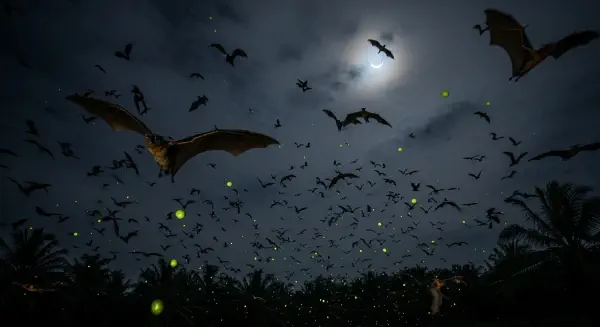
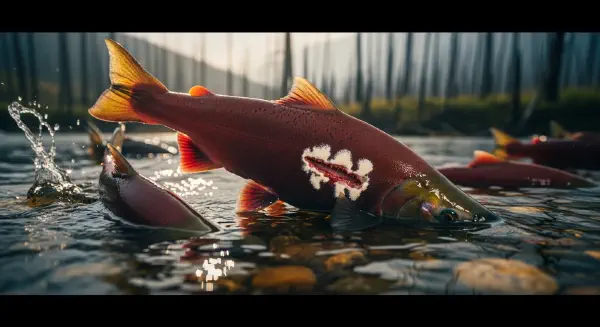
Extreme heat is unraveling global food systems, collapsing marine ecosystems, and enabling the spread of deadly diseases. Explore how planetary heating threatens civilization's foundation.
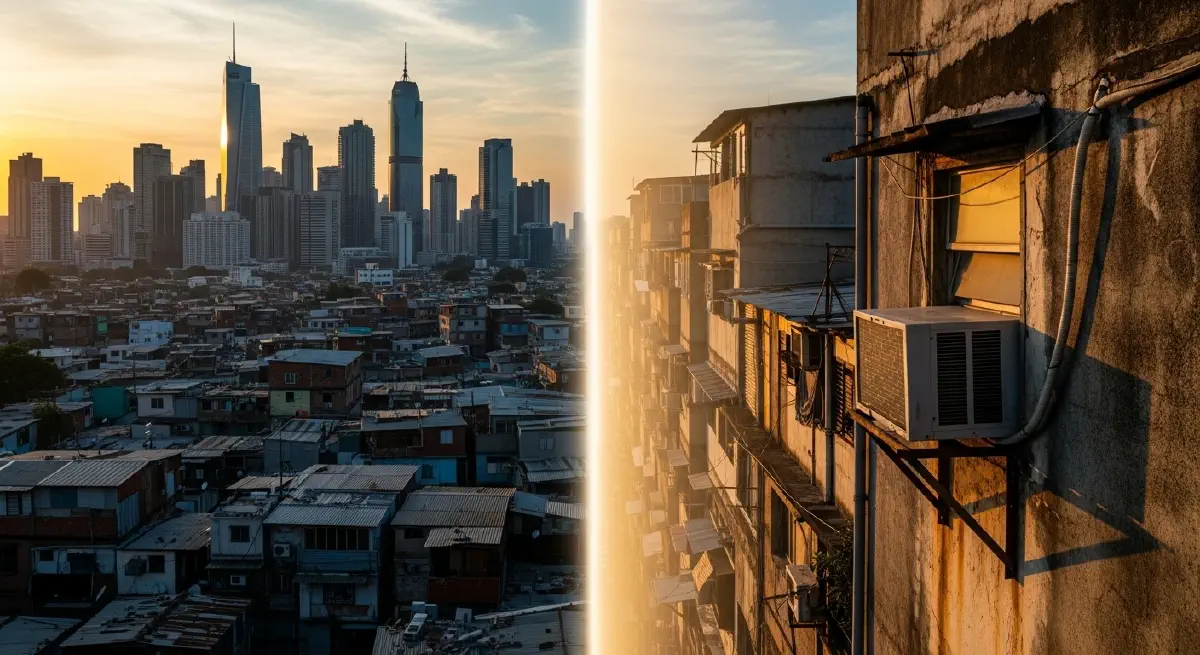
Humans evolved to thrive in specific temperatures, but the modern world is pushing us beyond our biological limits. Discover how urbanization, heat islands, and systemic inequality widen the thermal divide.
Extreme heat is an invisible force reshaping our planet. Explore how the 2021 Pacific Northwest heat wave revealed the brutality of rising temperatures and their deadly toll on vulnerable populations.