The Mongol Empire, founded by Genghis Khan in the early 13th century, became the largest contiguous empire in history through a combination of military prowess, strategic innovation, and effective governance.
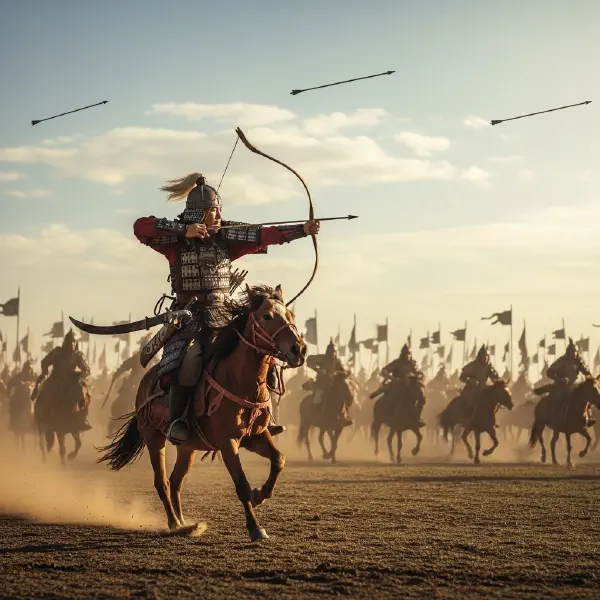
The Mongols revolutionized warfare with their use of highly mobile cavalry, psychological tactics, and superior communication systems, allowing them to conquer vast territories rapidly.
Their innovative administrative practices, including meritocracy and religious tolerance, helped maintain control over diverse populations and facilitated trade across the Silk Road.
The Mongol Empire's impact on global history includes the facilitation of cultural exchange, the spread of technologies, and the reshaping of political boundaries in Eurasia.
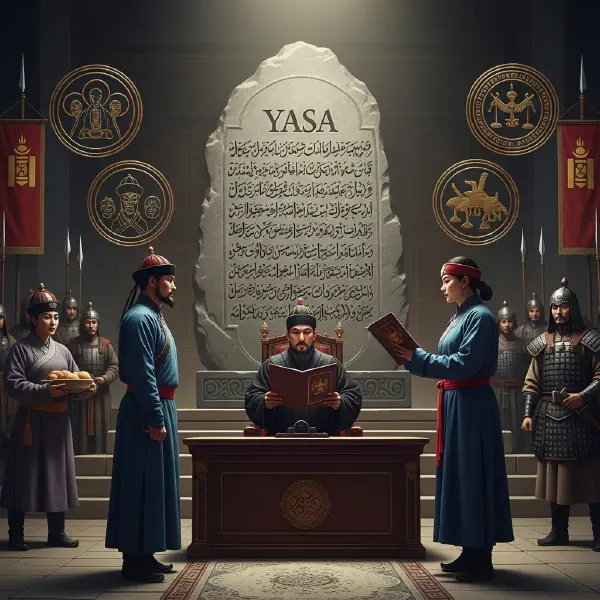
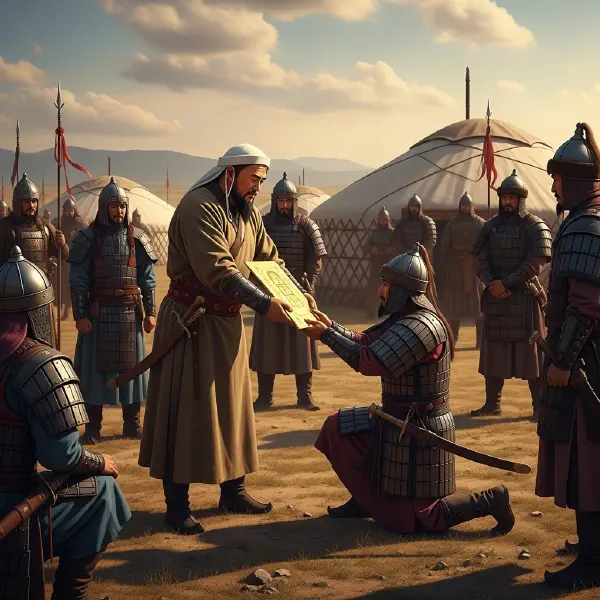
The Yasa was Genghis Khan's legal code – a framework for governing nomadic warriors and conquered civilizations alike. How did a law code from the steppes hold together history's largest empire?
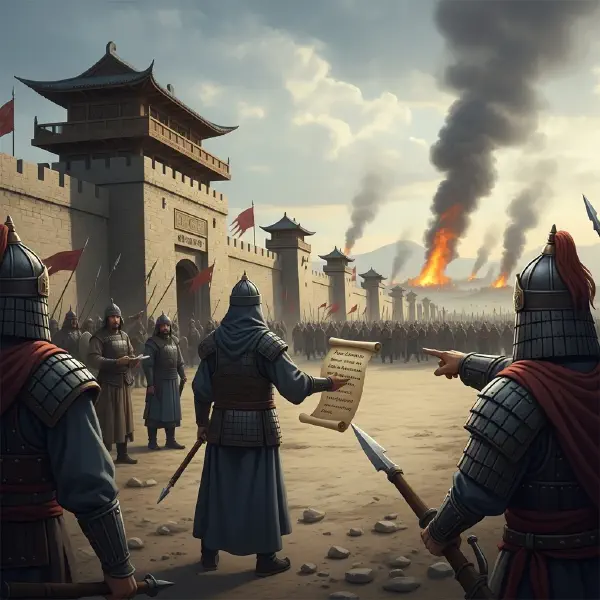
The Mongol massacres weren't random violence. They were calculated psychological operations designed to minimize resistance and Mongol casualties. Here's the disturbing logic behind history's most effective terror campaign.
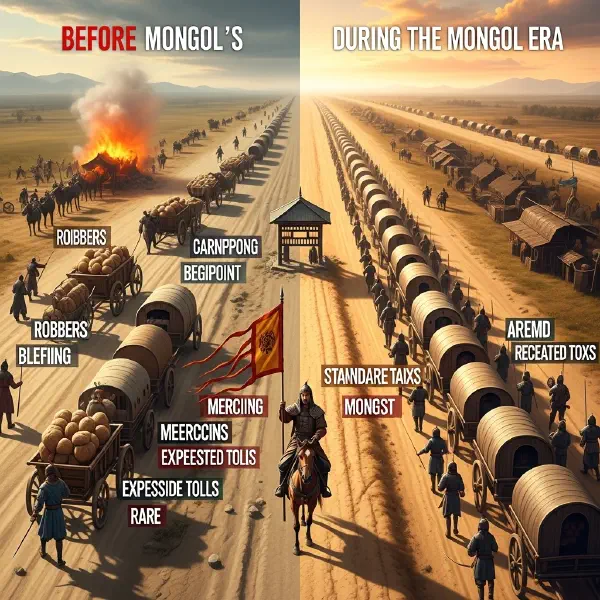
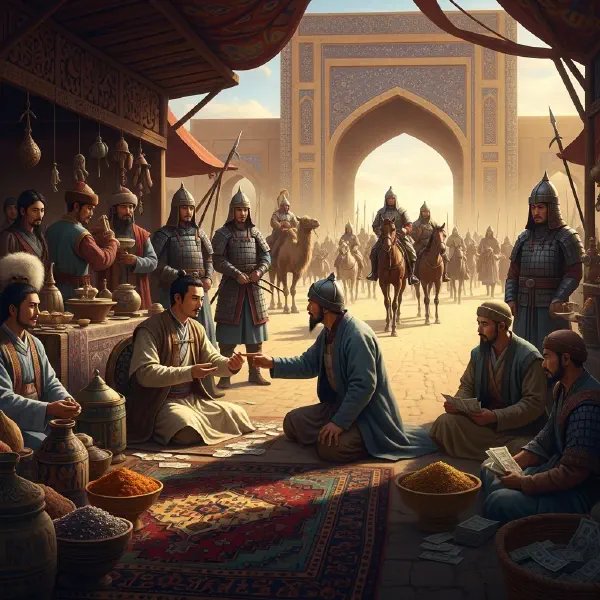
The Silk Road existed for centuries before the Mongols. But under Mongol protection, trade volume multiplied. Here's how security, infrastructure, and policy combined to create history's first commercial superhighway.
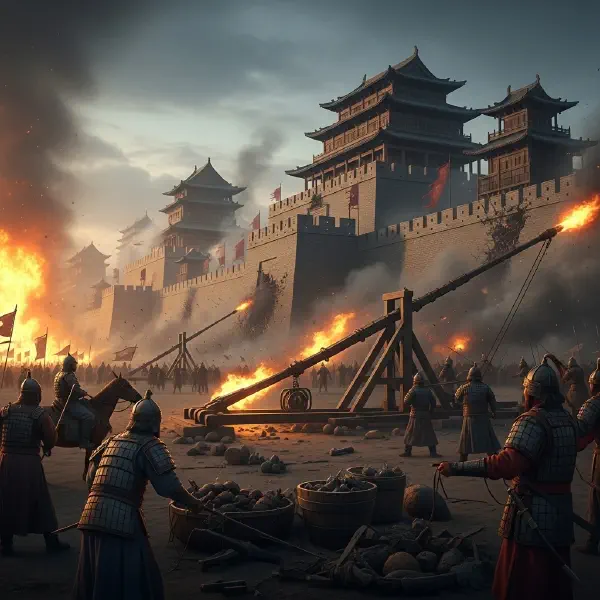
The Mongols were steppe nomads who had never besieged a city. Within decades, they were systematically destroying the greatest fortifications in the world. How did they adapt so quickly – and what does it teach us about organizational learning?
After the destruction came something unexpected: a continental trading system that connected Europe to China for the first time. The Pax Mongolica created the conditions for the first true globalization – and changed the world forever.
The Mongol army was history's most effective military force relative to its size. These five innovations explain how 100,000 warriors conquered half the known world – and why their organizational principles still matter today.
Paper money. Passports. Postal systems. Diplomatic immunity. These modern innovations trace back to the Mongol Empire. How did a nomadic people create administrative systems that still shape our world?
The Mongols didn't just conquer peoples – they absorbed them. This systematic integration of diverse cultures created the most adaptable and capable military force in history. Here's how they did it.
In an age of hereditary aristocracy, the Mongols promoted blacksmiths' sons to supreme command. This radical meritocracy created the most effective military leadership in history – and offers lessons modern organizations still struggle to learn.
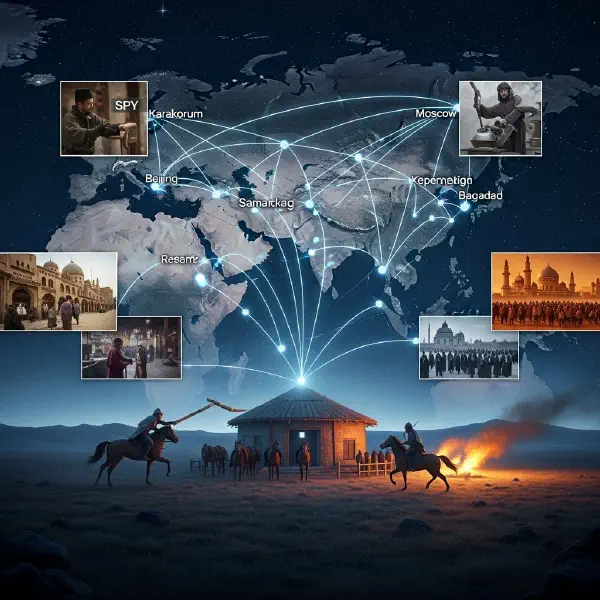
The Mongols built the ancient world's most sophisticated intelligence network – gathering information for years before attacks and communicating across thousands of miles. Here's how they did it, and why information supremacy was their decisive advantage.
The feigned retreat was the Mongols' signature tactic – a counter-intuitive maneuver that turned apparent defeat into devastating victory. How did it work, and why did enemies keep falling for it?
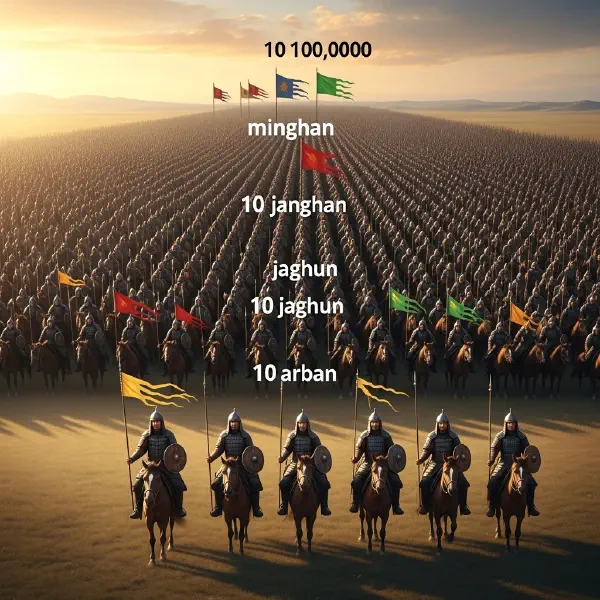
Genghis Khan reorganized his entire society around multiples of 10. This seemingly simple change created a military structure so effective it was copied by armies for centuries – and its principles still apply to modern organizations.