The Master and the Machine: Mohamed Ali’s Brutal Blueprint for Egypt

Key Insights
#

  • The Nizam Jadid (New Order) transformed Egyptian peasants into a mechanical military force through systematic dehumanization and physical branding.
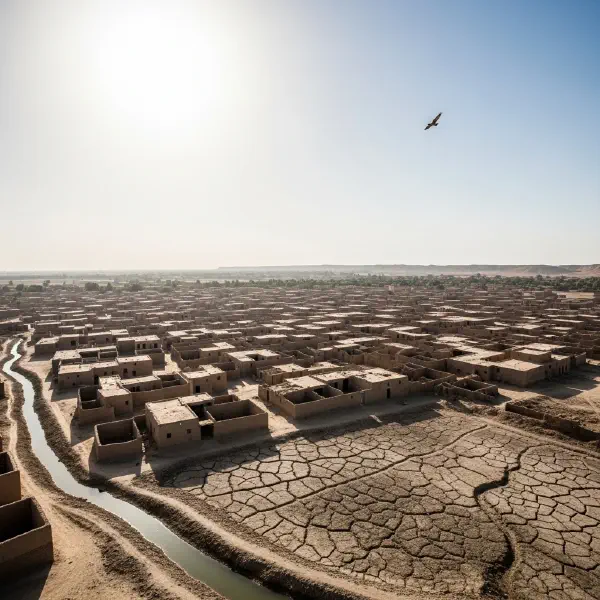
  • Upper Egypt (the Sa’id) was treated as an internal colony, with state monopolies extracting resources to fuel Cairo’s modernization at the cost of local starvation and plague.
  • The state built by Mohamed Ali prioritized administrative control (daftara) and extraction over human welfare (Insaan), creating a legacy of authoritarianism and regional inequality.
  • Indigenous leadership and civil agency were systematically suppressed to maintain a rigid ethnic hierarchy that excluded native Egyptians from power.


References
#

  1. Abdul-Magd, Z. (2013). Imagined empires: A history of revolt in Egypt. University of California Press.
  2. Cuno, K. M. (1992). The Pasha’s peasants: Land, society and economy in Lower Egypt, 1740–1858. Cambridge University Press.
  3. Fahmy, K. (1997). All the Pasha’s men: Mehmed Ali, his army and the making of modern Egypt. Cambridge University Press.
  4. Foucault, M. (1979). Discipline and punish: The birth of the prison. Vintage Books.
  5. Giddens, A. (1985). The nation-state and violence. University of California Press.
  6. Lane, E. W. (1842). An account of the manners and customs of the modern Egyptians (1st ed.). Ward, Lock and Co.
  7. Mitchell, T. (1988). Colonising Egypt. Cambridge University Press.
  8. Panzac, D. (1987). The population of Egypt in the nineteenth century. Asian and African Studies, 21(1), 11–32.
  9. Rivlin, H. A. B. (1961). The agricultural policy of Muhammad ‘Ali in Egypt. Harvard University Press.
  10. Rustum, A. J. (1936). The royal archives of Egypt and the origins of the Egyptian expedition to Syria. American Press.