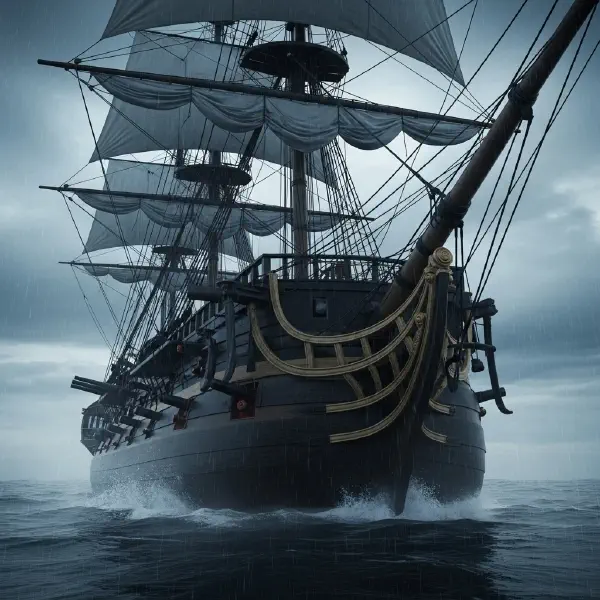
The Improbable Empire: How a Small Island Ruled the World

Key Insights
#

  • Competitive Fragmentation: Europe's division into rival states created a pressure cooker of innovation, where perpetual warfare drove the development of financial, military, and organizational systems that enabled global projection.

  • Financial and Corporate Tools: The invention of credible public debt and chartered companies allowed Britain to mobilize capital and privatize violence on an unprecedented scale, turning colonial conquest into a shareholder venture.

  • Technological and Ideological Arsenal: Industrial technology and racialized ideologies of superiority systematized imperial control, integrating colonies into a global economy centered on British industrial needs.

  • Invisible Coloniality: The formal end of empire left intact its underlying structures—economic dependencies, legal frameworks, and power dynamics—that continue to shape global inequalities today.


References
#

  1. Ferguson, N. (2003). Empire: How Britain Made the Modern World. Allen Lane.
  2. Darwin, J. (2009). The Empire Project: The Rise and Fall of the British World-System, 1830-1970. Cambridge University Press.
  3. Cannadine, D. (2001). Ornamentalism: How the British Saw Their Empire. Oxford University Press.
  4. Pomeranz, K. (2000). The Great Divergence: China, Europe, and the Making of the Modern World Economy. Princeton University Press.
  5. Bayly, C. A. (2004). The Birth of the Modern World, 1780-1914: Global Connections and Comparisons. Blackwell Publishing.
  6. Mishra, P. (2012). From the Ruins of Empire: The Intellectuals Who Remade Asia. Farrar, Straus and Giroux.
  7. Hickel, J. (2017). The Divide: A Brief Guide to Global Inequality and its Solutions. William Heinemann.
  8. Anievas, A., & Nisancioglu, K. (2015). How the West Came to Rule: The Geopolitical Origins of Capitalism. Pluto Press.
  9. Mamdani, M. (1996). Citizen and Subject: Contemporary Africa and the Legacy of Late Colonialism. Princeton University Press.
  10. Shilliam, R. (Ed.). (2015). The Black Pacific: Anti-Colonial Struggles and Oceanic Connections. Bloomsbury Academic.

The Improbable Empire - Part 3: The Invisible Scaffolding – From Direct Rule to Modern Colonialism

Examining how the formal dissolution of the British Empire left intact its underlying financial, legal, and cultural frameworks that continue to shape global power dynamics.