Why mainstream economics keeps getting it wrong (Coconut)
The invisible economy worth trillions that goes unmeasured (Anchovy)
How "self-made" entrepreneurs actually succeed (Noodle)
Why free trade isn't always free (Chilli)
What robots mean for your job (Strawberry)
Can wealthy nations survive without factories? (Chocolate)
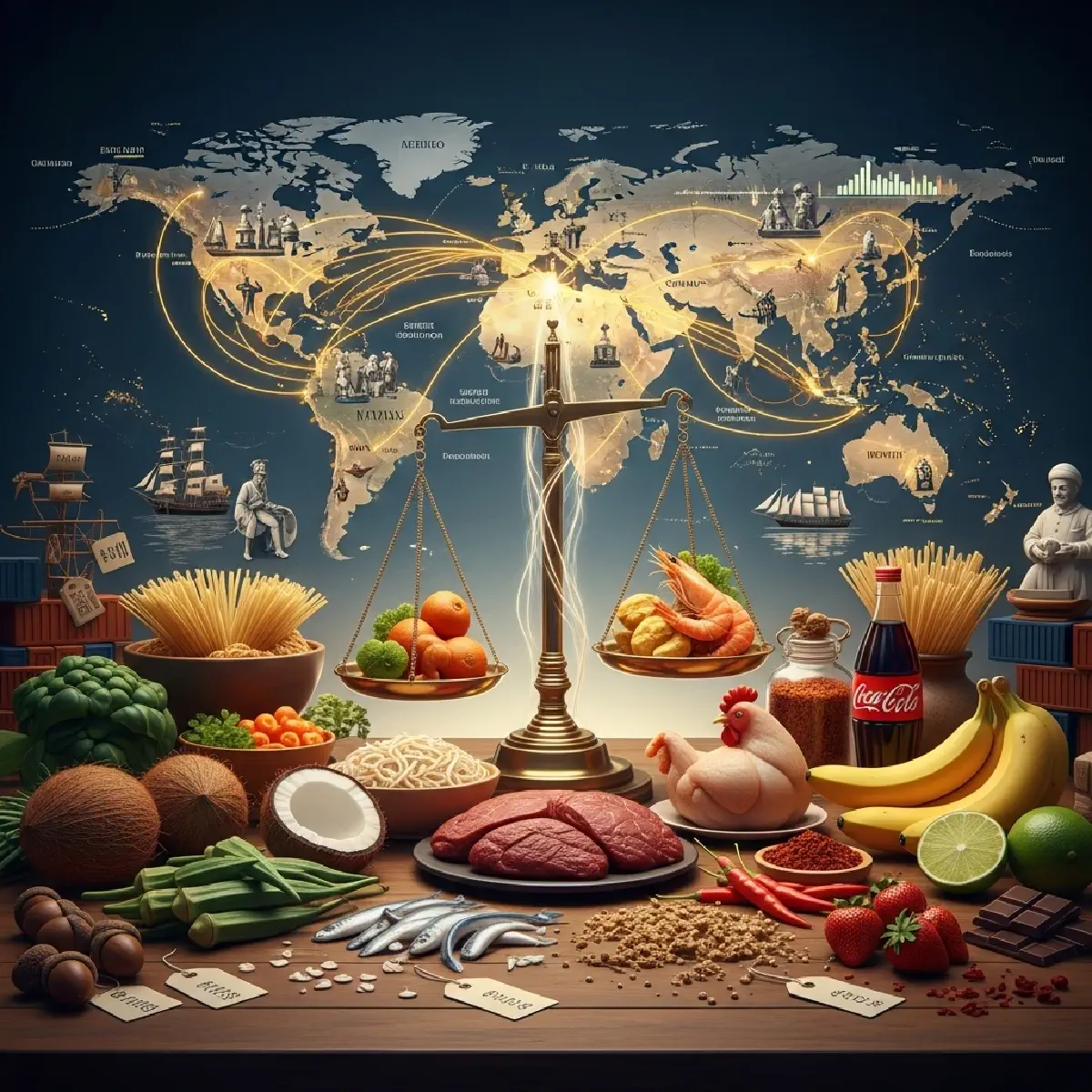
Each post takes one food and reveals the hidden economic truth it carries—challenging assumptions and offering new ways to understand the economy we all live in.
Inspired by the insights of economist Ha-Joon Chang.
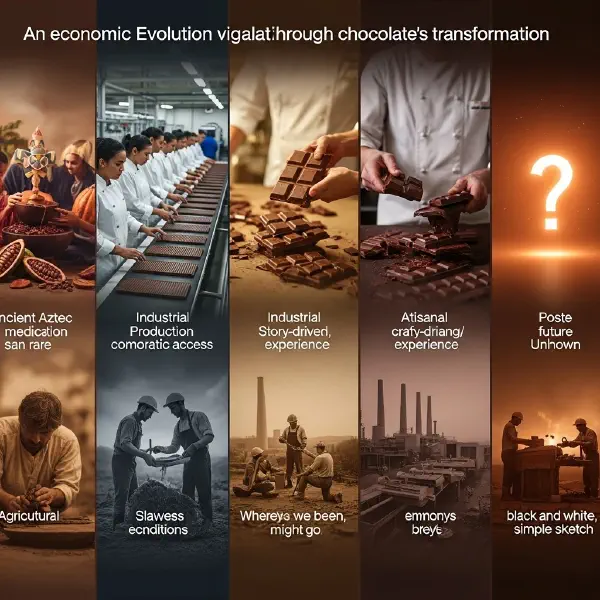
Chocolate went from bitter medicine to mass commodity to artisanal luxury. Its journey maps the economy's past and hints at its future—where meaning matters more than material.
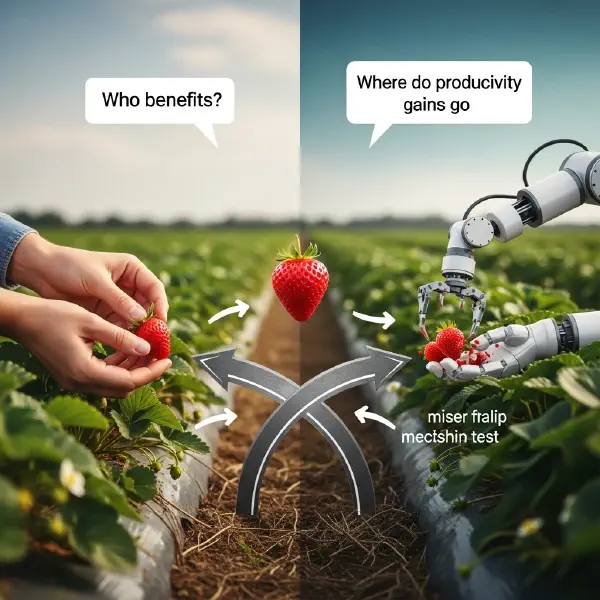
Strawberries are still picked by hand—automation hasn't replaced farmworkers. But other jobs have vanished. What determines whether technology helps or harms workers?
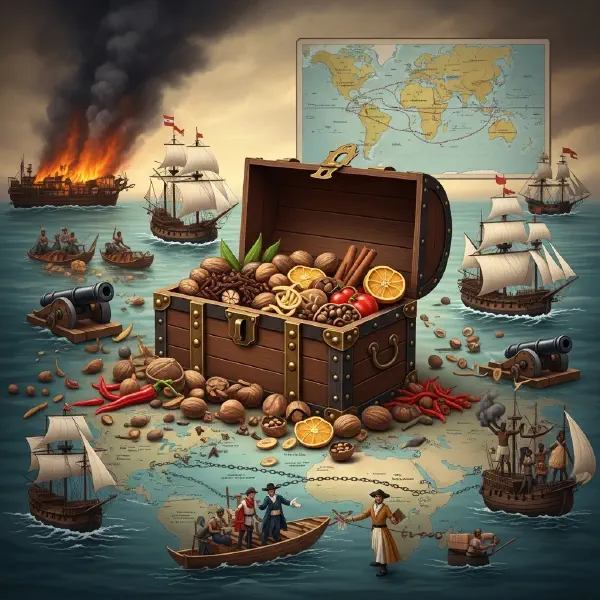
Spices built empires and funded revolutions. The spice trade created the first global economy—through monopoly, violence, and state power. Modern trade pretends this history didn't happen.
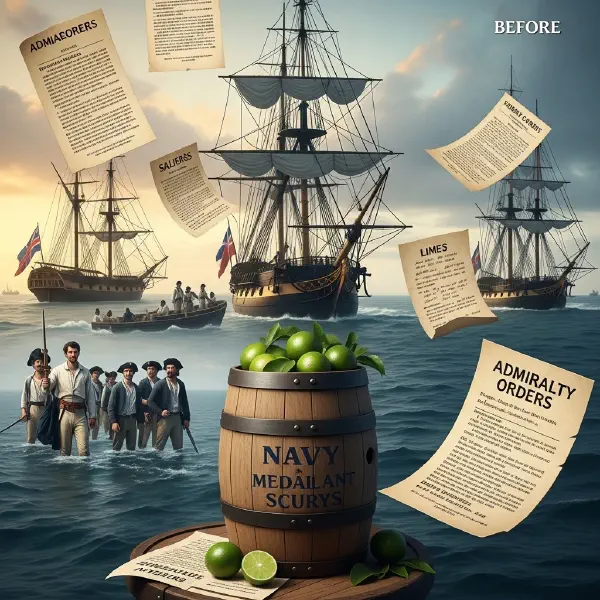
Limes saved British sailors from scurvy—not through market forces, but through government mandate. The 'Limey' nickname reminds us that states create knowledge markets can't produce.
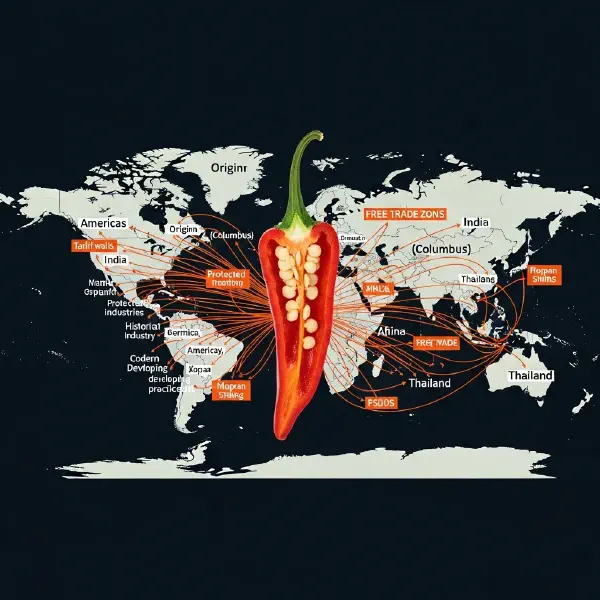
Chilli peppers spread globally after Columbus—but not through 'free trade.' Countries that developed used protection. The free-trade story is history written by winners.
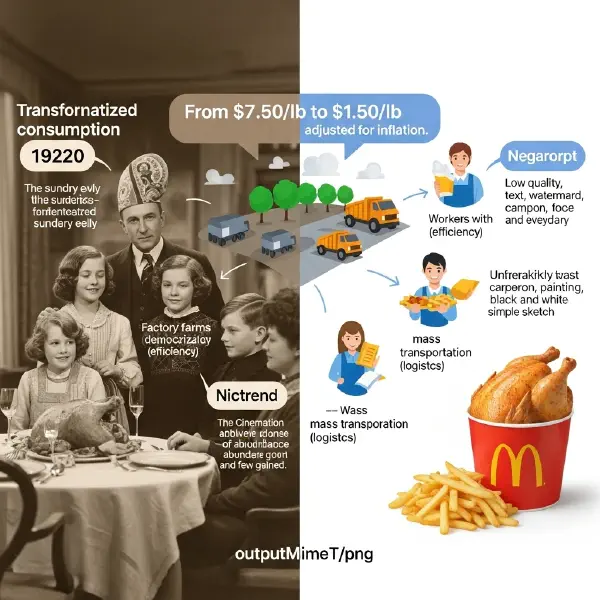
Chicken was once a luxury. Now it's cheap protein for billions. The same pattern—from elite good to mass consumption—drives economic development. Equality isn't just fair; it's efficient.
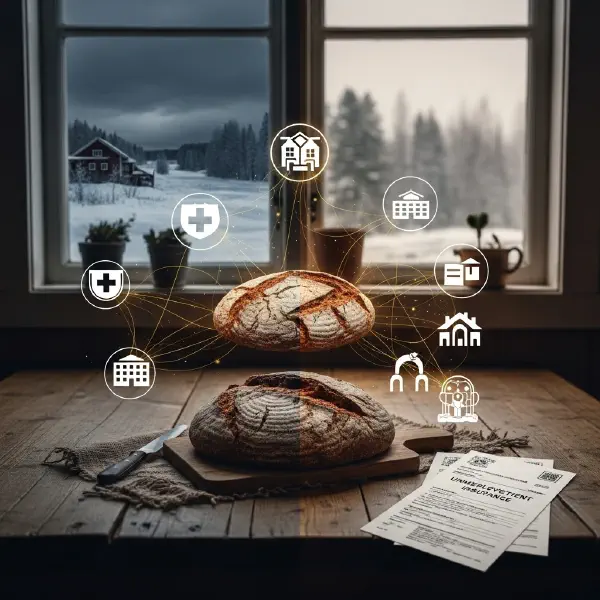
Rye bread sustained Northern European peasants through harsh winters. Those same countries built the strongest welfare states. Coincidence? The ability to survive risk shapes society's approach to sharing it.
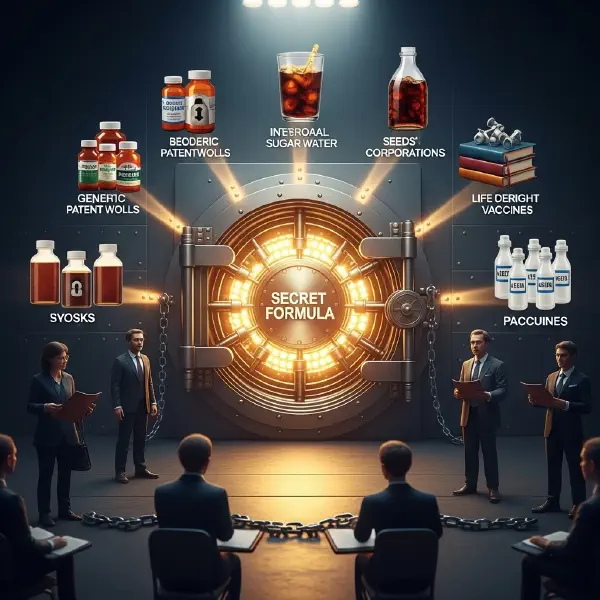
Coca-Cola's 'secret formula' is worth more than the liquid in the can. Intellectual property creates fortunes—but also restricts knowledge that could save lives and advance humanity.
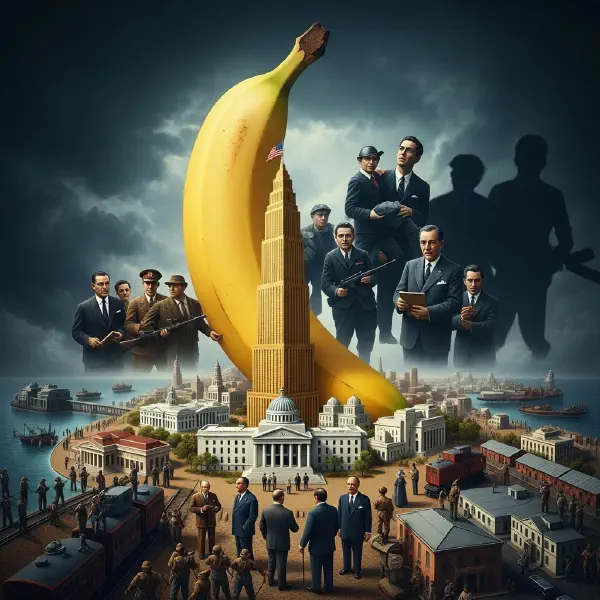
The term 'banana republic' describes real history: American fruit companies controlled Central American governments, overthrew democracies, and shaped economies for their profit. The pattern persists.
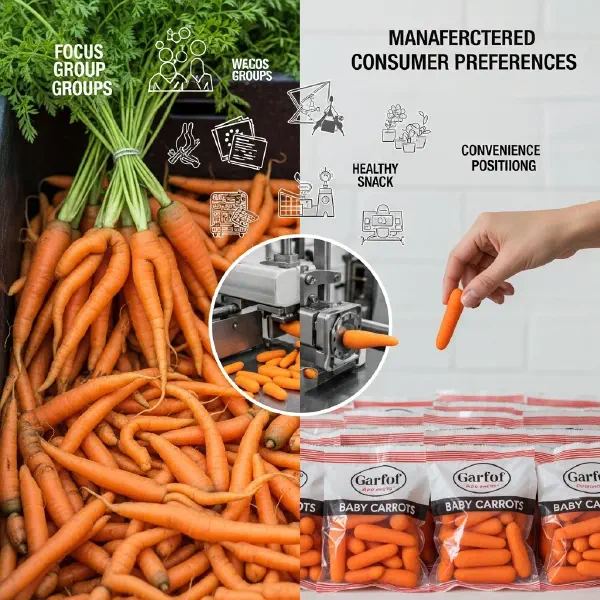
Economics assumes consumers know what they want. But the baby carrot industry created a want that didn't exist. Preferences aren't given—they're manufactured.
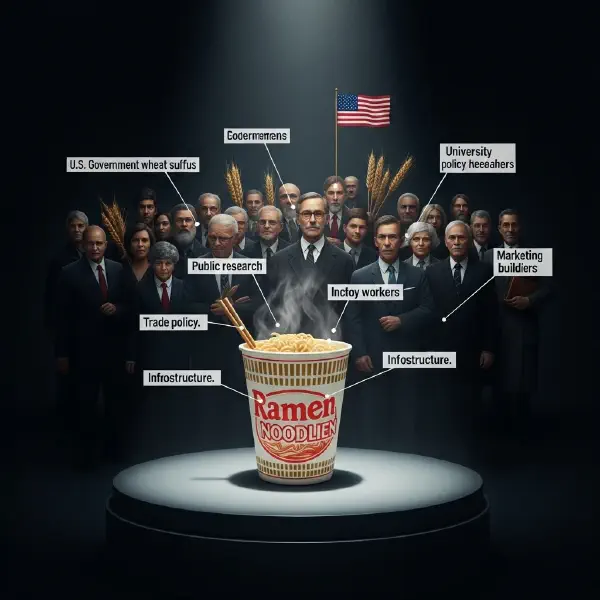
Instant noodles were invented by a 'heroic entrepreneur.' Except they weren't—they emerged from Japan's postwar food system, government policy, and collective innovation. The entrepreneur myth hides how business success really happens.
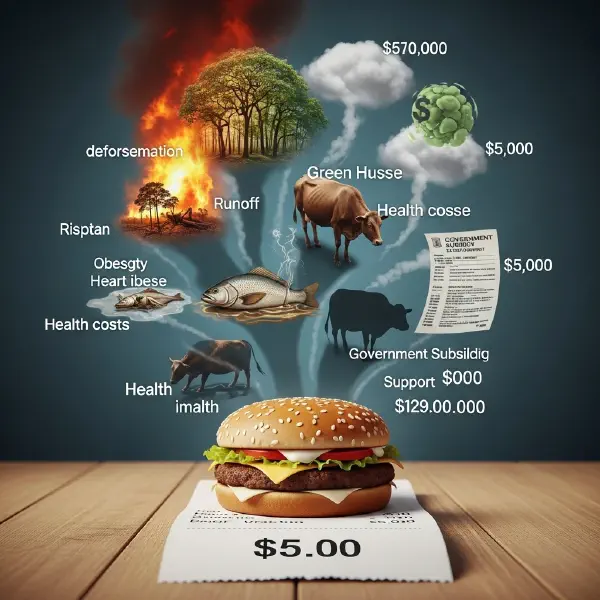
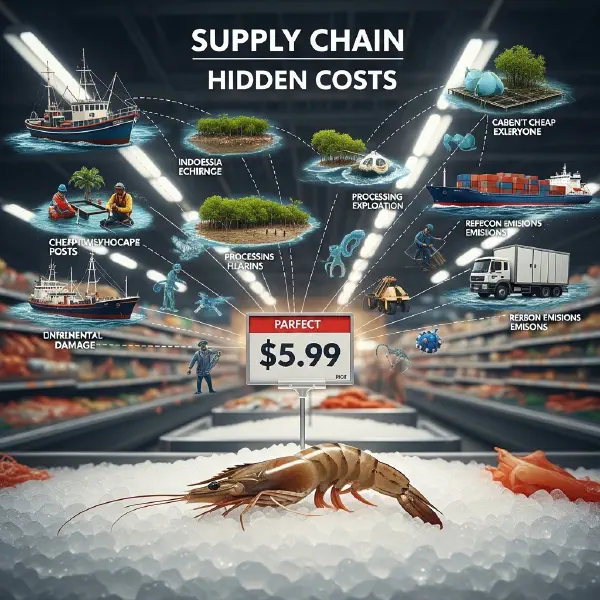
Cheap prawns in your grocery store hide a supply chain that spans continents, exploits workers, and destroys ecosystems. The price you pay doesn't include the real costs.
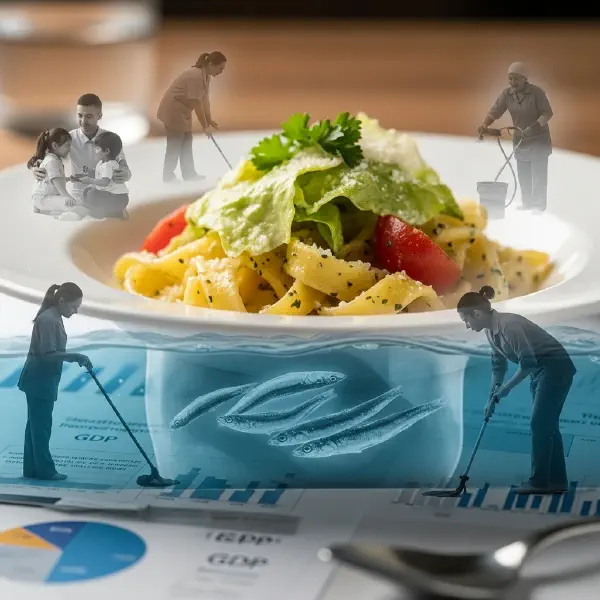
Anchovies in a dish add flavor you can't quite identify. Care work in the economy does the same—invisible, unquantified, but essential. What happens when we notice what we've been missing?
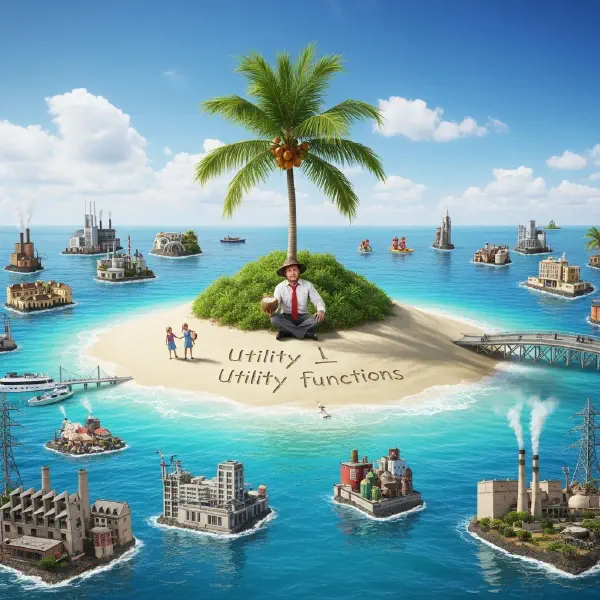
Economists love imagining Robinson Crusoe on an island with coconuts. But this thought experiment reveals more about economics' limitations than about how real economies work.
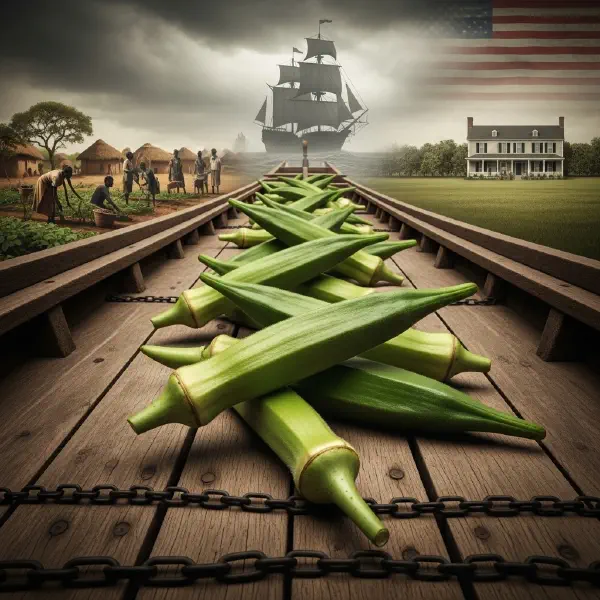
Okra traveled from Africa to America in slave ships. Its journey reveals how slavery and colonialism created economic structures that persist centuries later—and why some countries struggle to escape poverty.
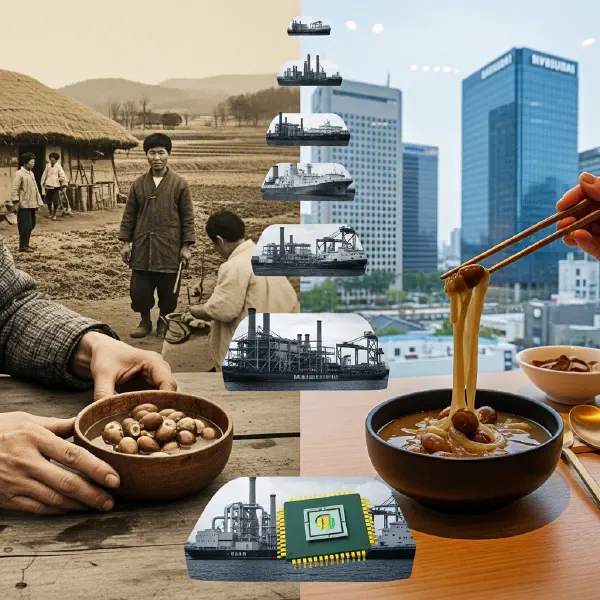
In the 1960s, Koreans ate acorns to survive. Today, South Korea is the world's 10th largest economy. The acorn's journey from famine food to nostalgic delicacy reveals how nations actually develop—and it's not the story economists usually tell.