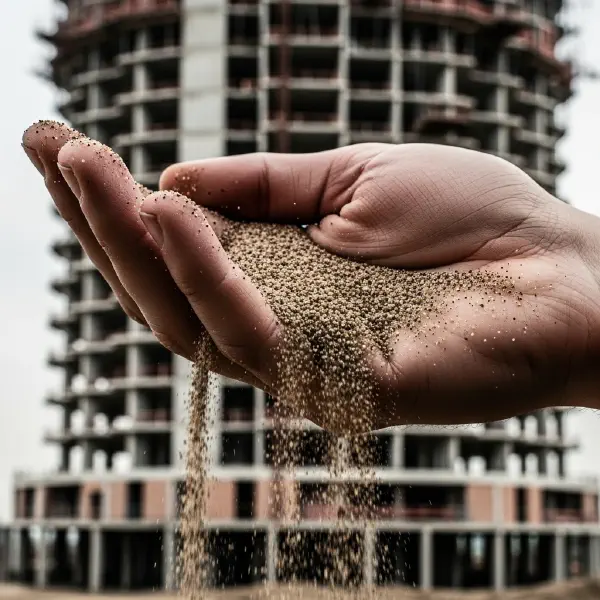
The Scarcity Myth: The "global sand crisis" is often an elite-driven narrative that flattens local complexities; true scarcity is more political than physical, used to justify top-down governance
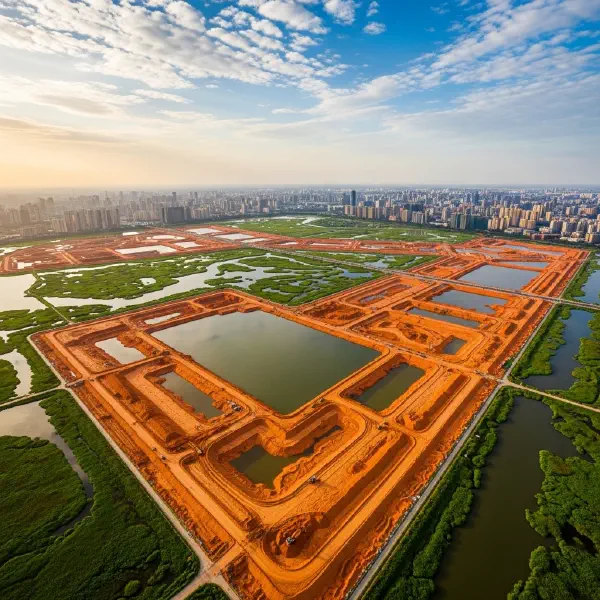
Sand Urbanism: Modern cities are literally built from the extraction of sand in distant peripheral regions, forcing communities to bear the costs of urban densification
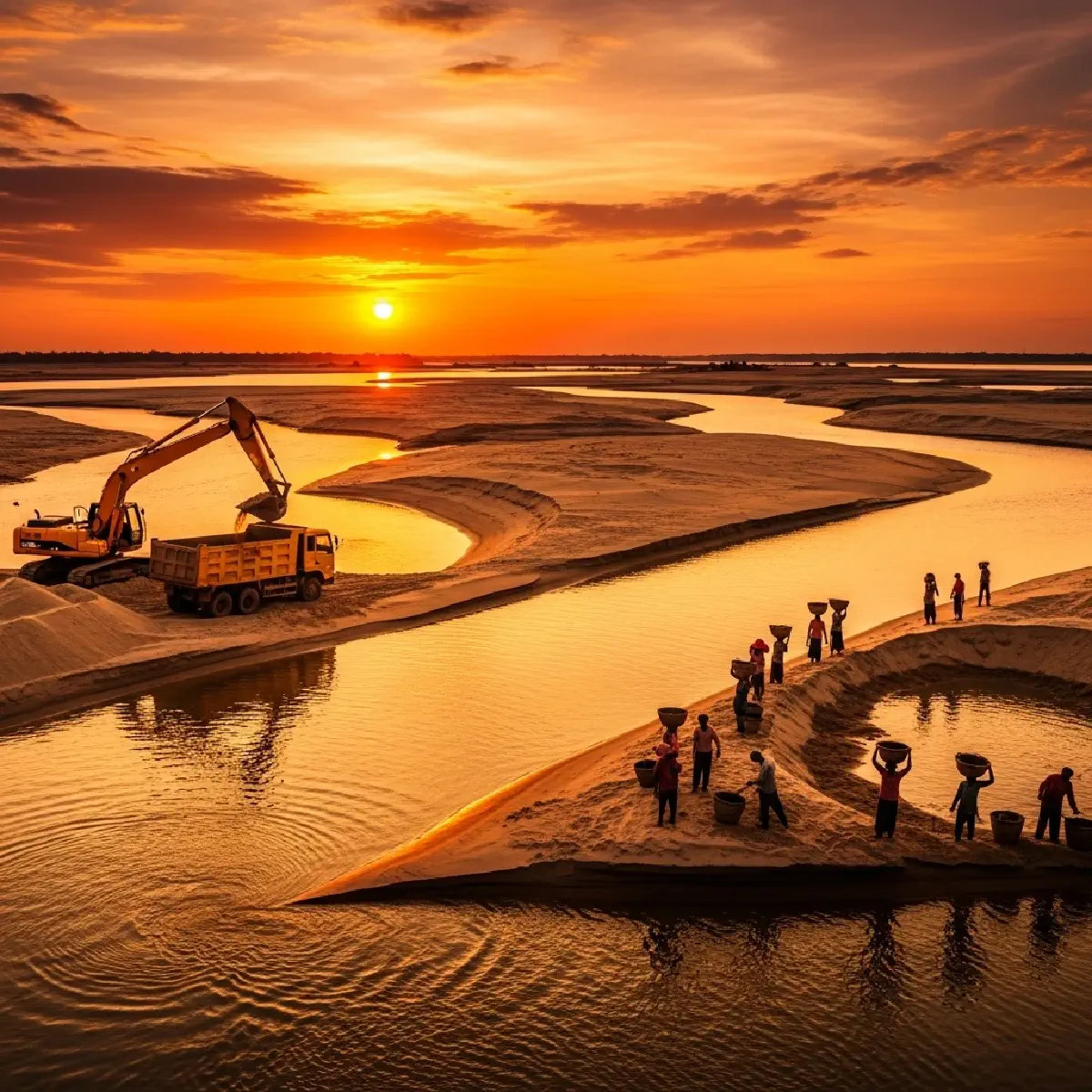
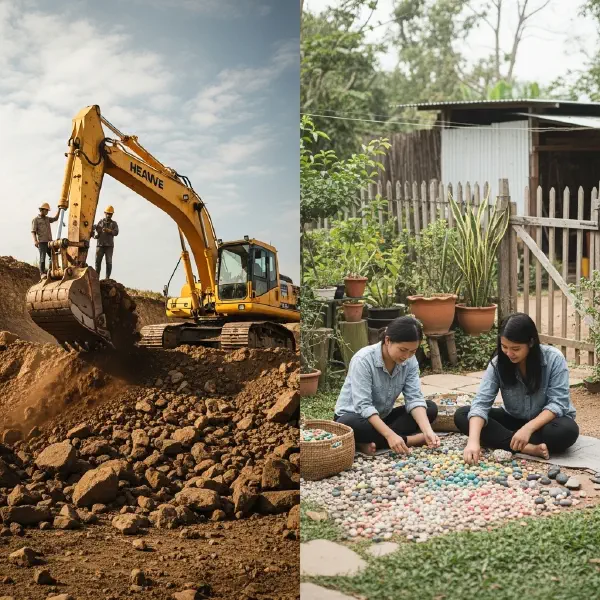
Artisanal Alternatives: Manual sand mining provides crucial income for the landless and has a lower environmental footprint per job than mechanized extraction, yet it's increasingly criminalized
Gendered Extraction: Sand mining perpetuates and amplifies gender hierarchies, with women's labor remaining invisible and undervalued while bearing disproportionate environmental burdens
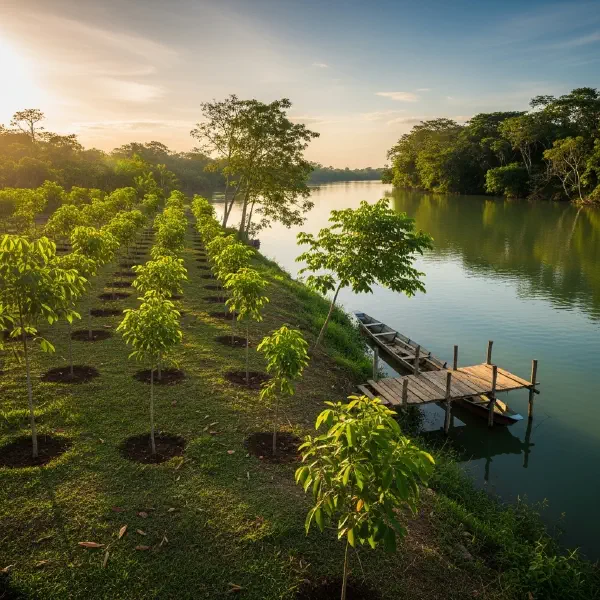
Moral Ecologies: Communities like the areneros of Colombia demonstrate sustainable extraction through reciprocity and respect for ecological cycles—models the state often fails to recognize
Elite Capture: Sand governance is determined by shifting political settlements where elites control rents while communities develop hidden forms of resistance
Ameziane, L., & Suykens, B. (2023). Political settlements and the historical development of sand governance in Morocco. The Extractive Industries and Society, 14, 101245.
Asare, K. Y., Osei-Kyei, R., & Kehinde, T. (2023). A sand-security nexus: Insights from peri-urban Accra, Ghana. The Extractive Industries and Society, 15, 101322.
Bendixen, M., Best, J., Hackney, C., & Iversen, L. L. (2019). Time is running out for sand. Nature, 571(7763), 29–31.
Bendixen, M., Iversen, L. L., Kabel, K., Overeem, I., & Rosing, M. T. (2023). Drivers and effects of construction-sand mining in Sub-Saharan Africa. The Extractive Industries and Society, 16, 101364.
Bendixen, M., Ndahiriwe, J., Nsengiyumva, E., Møller, I., & Overeem, I. (2024). Towards a holistic understanding of artisanal aggregate mining in Rwanda. The Extractive Industries and Society, 19, 101471.
Hatlebakk, M. (2023). River sand mining as a livelihood activity: The case of Nepal. The Extractive Industries and Society, 14, 101266.
Hougaard, I.-M. (2023). 'As we exploit the river, we should give something back': A moral ecology of sand extraction. The Extractive Industries and Society, 15, 101301.
Jamieson, W. (2021). For granular geography. Dialogues in Human Geography, 11(2), 296–300.
Kauffer, E., & Torres, A. (2023). Gender and sand extraction in the Usumacinta River basin. The Extractive Industries and Society, 15, 101277.
Lamb, V. (2023). Constructing the global sand crisis: Four reasons to interrogate crisis and scarcity in narrating extraction. The Extractive Industries and Society, 15, 101282.
Rahman, M. A., & Suykens, B. (2023). Sand urbanism in Bangladesh: Transitions of sand extraction and trade in Dhaka-Narayanganj. The Extractive Industries and Society, 14, 101265.
Rousseau, J.-F., & Marschke, M. (2023). Invisible fluidities across sandscapes: Sand dredging and local socio-environmental impacts along the Red and Mekong Rivers. The Extractive Industries and Society, 14, 101261.
A synthesis and vision for how we can transition to sustainable urbanism that centers environmental protection, community rights, and global equity in the materials we use to build our cities.
Examining emerging alternatives to sand extraction including engineered alternatives, circular construction practices, and community-led resistance movements challenging the sand extraction paradigm.
Exploring how sand extraction follows patterns of colonial resource extraction, concentrating wealth in Global North while externalizing environmental costs to Global South.
Analyzing how large corporations dominate sand extraction industries while governments fail to regulate, creating systemic inequality and environmental injustice.
Examining how sand extraction creates environmental degradation, threatens food security, and forces communities to migrate to urban centers in search of economic alternatives.
Understanding how urban expansion through sand infilling creates cascading displacements in peripheral regions and transforms agricultural land into buildable territory.