The Logic of the Whole#
No war should be commenced without first determining what is to be attained by it. The plan of the war must have one final determinate object in which all particular objects are absorbed. If we follow the strictly philosophical limits of the idea, the only end is the complete overthrow of the enemy. However, in reality, war is not a consistent effort tending to an extreme. It is a “half and half thing” that cannot follow its own laws exclusively. It is a part of another whole, and that whole is policy. How does this subordination of the military to the political alter the conduct of the campaign?
War as a Continuation of Policy#
War is not merely a political act, but a real political instrument. It is a continuation of political intercourse with a mixture of other means. This intercourse does not cease with the first shot.
The Grammar of Violence#
War has its own grammar, but its logic is not peculiar to itself. It is merely another kind of writing and language for political thoughts. The political object is the original motive and must remain the highest consideration. However, policy is not a despotic lawgiver; it must accommodate itself to the nature of the military means. If policy demands things which the war cannot respond to, it violates a natural and indispensable supposition. The art of war in its highest point of view is simply policy which fights battles instead of writing notes.
The Wonderful Trinity#
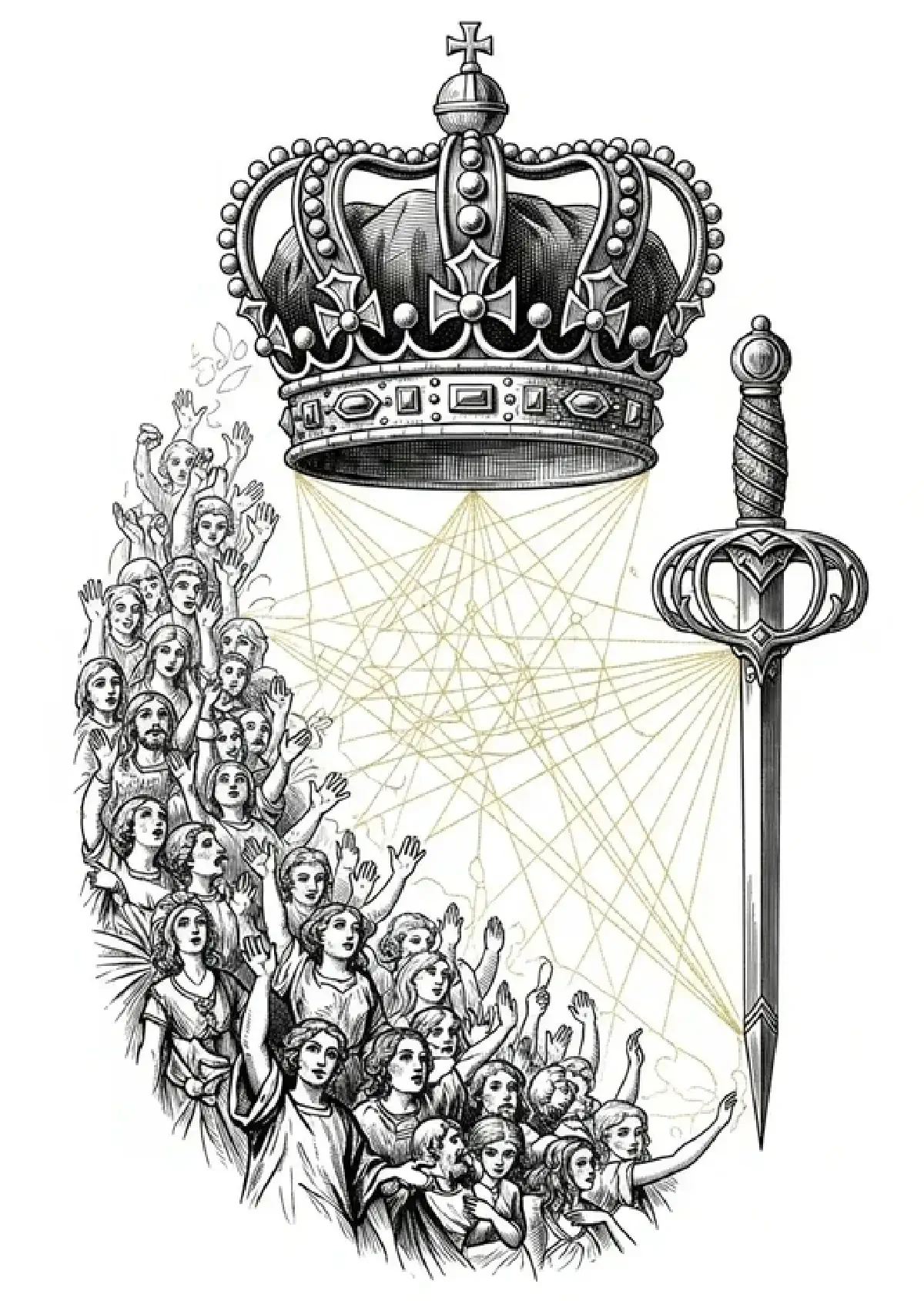
War is a “wonderful trinity” composed of three distinct tendencies. The first is the original violence of its elements, which is a blind instinct belonging to the people. The second is the play of probabilities and chance, which makes it a free activity of the soul for the General. The third is its nature as a political instrument, which belongs purely to the reason of the Government. A theory that ignores any one of these three lawgivers would be in immediate contradiction with reality. The problem is for theory to keep itself poised between these three points of attraction. This view provides the first ray of light that shows the true foundation of strategy.
The Subordination of the Military#
The subordination of the political point of view to the military would be contrary to common sense. Policy is the intelligent faculty; war is only the instrument. It is a mistake to consult professional soldiers on the plan of a war in a “purely military” sense. The leading outlines of a war are always determined by the Cabinet, not by a military functionary. If policy is right, its influence on the war can only be advantageous. Only when policy promises itself an effect opposed to the nature of war can it exercise a prejudicial influence. In one word, the conduct of war is policy itself, taking up the sword in place of the pen.
The Final Synthesis#
The “overthrow of the enemy” remains the natural end of the act of war in its absolute form. But in real life, the political object will be the standard for determining the military aim and the amount of effort. The plan of war must reduce the enemy’s power to as few centres of gravity as possible. We must act as concentrated and as swiftly as possible. There is no second spring after a halt has once been necessary. As the philosopher Huxley noted, the “survival of the fittest” is the law of nations, and the “fittest” is not always the ethically “best”. We must understand this nature of the struggle if we are to master its force.