The Paradox of the Stronger Form#
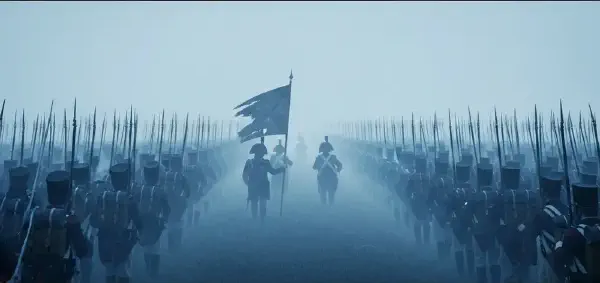
It is a common error to view the defensive as a state of helpless passivity. In reality, the defensive is the stronger form of making war. This is proved by the simple fact that he who feels too weak to attack must resort to the defensive to gain the benefit of its strength. If the offensive were the stronger form, the defensive would be a complete absurdity. The object of the defence is to preserve, which is always easier than to acquire. However, a defence that merely wards off blows without returning them contradicts the very nature of war. Why does this “stronger form” often carry such a negative reputation in military criticism?
The Dynamics of Resistance#
The defensive is composed of two heterogeneous parts: the state of expectancy and the state of action. This “waiting for” the enemy is the chief characteristic and principal advantage of the defence.
The Advantage of the Ground#
The defender has the preferential use of the ground as a means of protection. In tactics, this means obstacles to approach and cover for concealment. In strategy, it involves the use of fortresses, mountains, and rivers as barriers. A well-chosen position can act as a multiplier of force. It allows a small part of the army to destroy great numbers of the enemy at every stage of the defence. The defender knows the ground while the assailant does not, facilitating surprises. Even a mountain system acts as a “strategic barrier” that forces the enemy to divide his forces.
The Culminating Point of Victory#
The assailant’s power gradually exhausts itself as he advances. He must occupy territory, guard lines of communication, and suffer losses from sickness and action. At some point, his remaining forces are only sufficient to maintain a defensive attitude. This is the “culminating point of victory”. If he oversteps this point, a reaction follows that is often much greater than the original force of the blow. The defender, moving towards his own resources, becomes relatively stronger while the pursuer weakens. This reversal of the situation is the ultimate aim of a strategic retreat into the interior.
The Flashing Sword of Revenge#
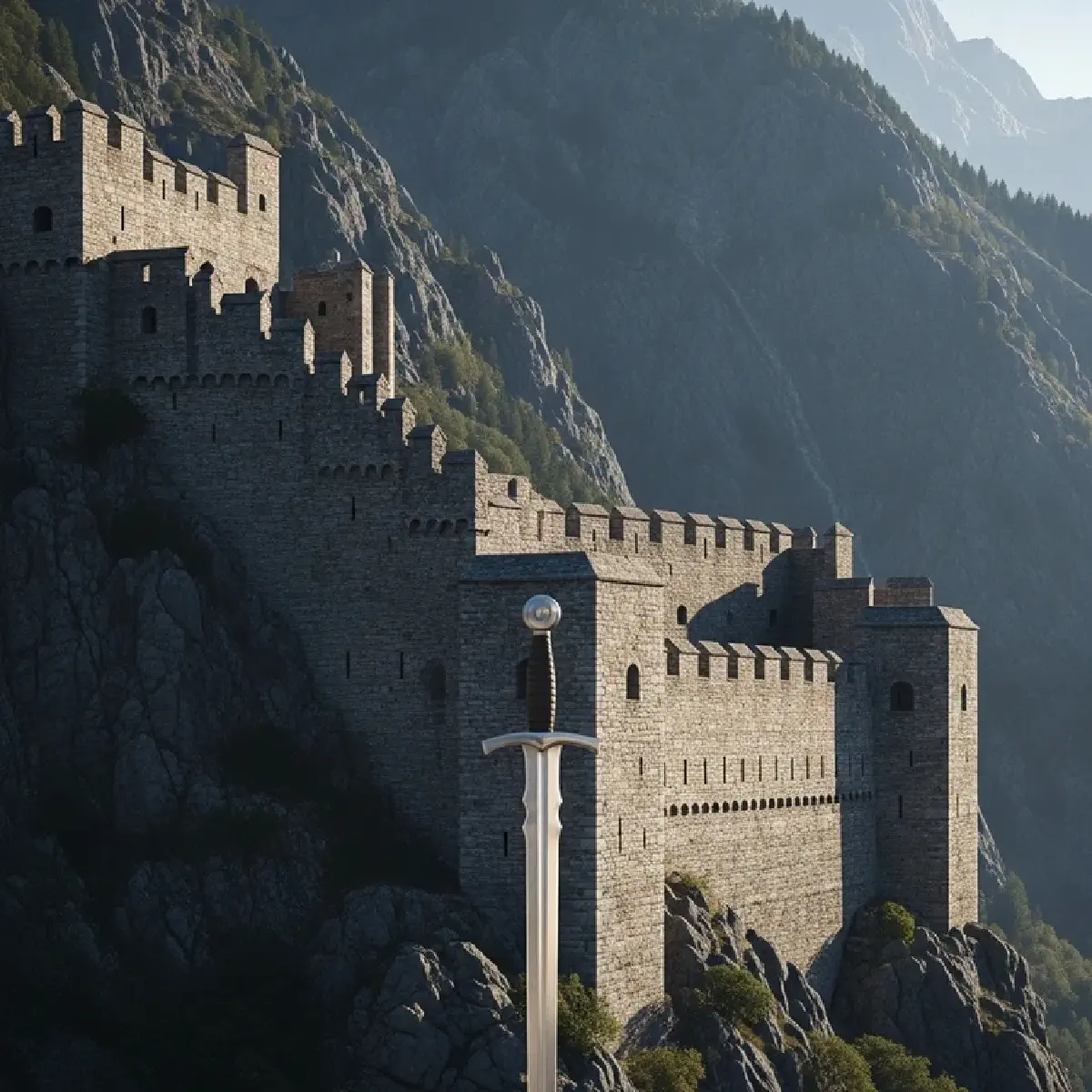
The most brilliant point in the defensive is the swift assumption of the offensive. We call this the “flashing sword of vengeance”. A defensive battle should be a shield formed of blows delivered with skill. The defender waits in a position with deep reserves to throw a mass on a part of the enemy’s army. By attacking the enemy in flank during the crisis of his own attack, the defender can make the whole mass recoil. Every victory gained through the defensive form should be turned to account in an offensive return. Without this intention, the defence is a mere state of endurance that leads to destruction.
The Moral Weight of Possession#
The defensive reaps where it has not sowed. Every suspension of offensive action by the enemy, whether from fear or indolence, is a gain for the defender. In legal business and in war, “beati sunt possidentes” is a ruling maxim. This state of expectation is not a nullity; it is a fundamental part of the act of war. By forcing the enemy to take the initiative, the defender can calculate the enemy’s errors. The defensive is thus not just a warding off, but a more certain way to overcome the enemy. It is the refuge for the weak, but also the launchpad for the most decisive triumphs.