The Harmonious Association of Powers#
Success in any special calling requires unique qualifications of understanding and soul. When these manifest as extraordinary achievements, we call the mind to which they belong a “Genius”. Military genius is not defined by a single quality like courage, which may be offset by other deficiencies. Instead, it is an harmonious association of powers where one may predominate but none must be in opposition. This essence is rare because it requires a development of the intelligent powers not found in uncivilised states. Great names in military history strictly belong to epochs of higher culture. What makes this specific form of genius so difficult to identify and cultivate?
The Anatomy of Command#
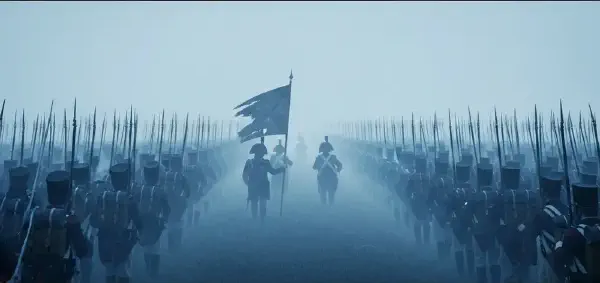
Military activity requires a rare combination of physical and moral attributes. The commander moves in an atmosphere of danger, exertion, uncertainty, and chance. He must overcome the inertia of the mass which rests its weight on his will.
The Two Faces of Courage#
Courage is the first quality of a warrior. It exists in two forms: physical courage in the face of danger to the person, and moral courage before responsibility. Physical courage can be a permanent condition of the individual or a momentary impulse driven by pride or patriotism. The first is more certain; the second often leads to bolder actions. When combined, they form the most perfect kind of courage. In the General, this courage must be supported by a “courage d’esprit” that springs from the understanding. It is the power to listen to reason in the midst of the most intense excitement.
The Mental Eye and the Resolute Heart#
The uncertainty of war demands a fine and penetrating mind to search out the truth. We call this “coup d’œil”—the rapid discovery of a truth which is not visible to the ordinary mind. It is the mental eye that identifies the right point of attack in a moment of action. Following this light requires “resolution,” which is an act of feeling rather than pure intellect. Resolution removes the torments of doubt and the dangers of delay. It is a special direction of the mind that conquers fear by the greater fear of wavering. Men with little intelligence can never be truly resolute, for they act without reflection.
The Weight of Responsibility#
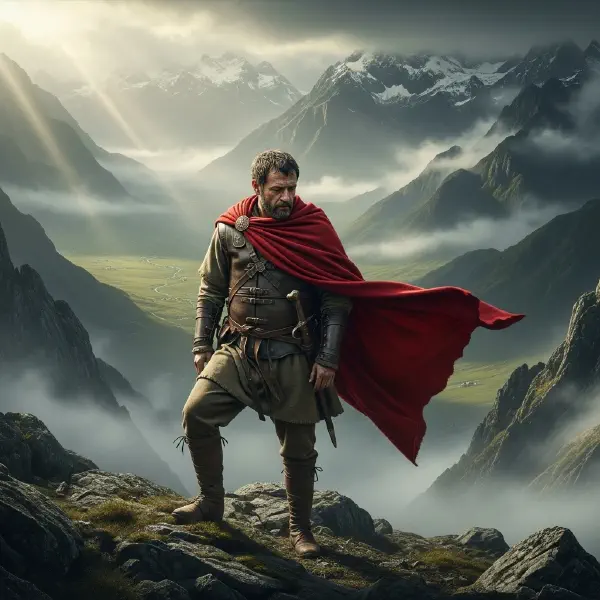
The heaviest burden for a General is not the enemy’s activity, but the reaction of his own army. As forces become prostrated, the whole inertia of the mass rests on the commander’s will. He must kindle the spark of purpose and the light of hope in others. This requires a “strength of mind” that maintains its serenity under the most powerful excitement. It is the power of “self-command” rooted in the heart. This counterpoise is a sense of the dignity of man—the desire to act as a being endued with reason. Without this, the masses sink into the lower region of animal nature that shrinks from danger.
The Statesman with a Sword#
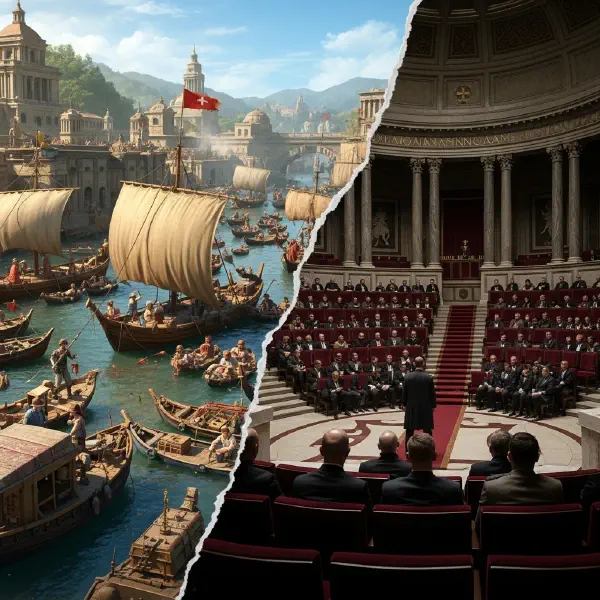
In the highest positions, the General must also become a Statesman. He must understand the higher relations of State policy while remaining a General. He must know exactly what he can do with the means at his disposal. This requires a sense of unity and a judgment raised to an extraordinary compass. Buonaparte noted that many questions for a General would make problems for a Newton or an Euler. The demand on the intellectual powers increases with increase of rank. Searching rather than inventive minds, cool rather than fiery heads, are preferred. In the end, the military genius is the one who does great things with small means.