The Mechanics of Disappointment#
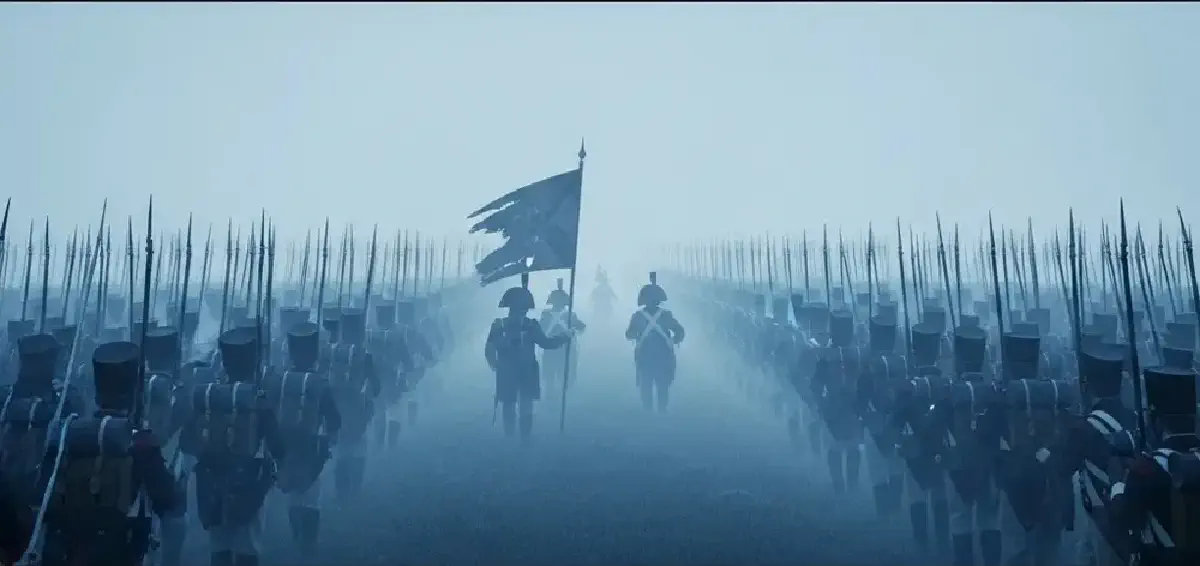
Everything in war is very simple, but the simplest thing is difficult. To the uninitiated, military combinations appear less complex than the easiest problem in higher mathematics. We imagine an army to be a simple machine that moves exactly as it is directed. However, this machine is composed of individuals, each of whom keeps up his own friction in all directions. A battalion is never a single piece, but a collection of people where even the most insignificant can cause delay. This is why war on paper looks nothing like war in the field. The “friction” of reality is the only concept that accurately distinguishes the two. Why does this invisible force remain the greatest hurdle for even the most brilliant commanders?
The Atmosphere of Uncertainty#
Action in war is movement in a resistant medium. It is like the movement of a man immersed in water who cannot perform the simplest tasks with ease. The strategist is constantly assailed by a hundred thousand impressions, most of which are intimidating.
The Mirage of Information#
Information in war denotes all the knowledge we have of the enemy and his country. Unfortunately, a great part of this data is contradictory, and a still greater part is false. Most reports are born of lies, exaggerations, and errors fueled by the timidity of men. Every general is inclined to lend more credence to the bad than the good. This difficulty of seeing things correctly is a primary source of friction. The impression of the senses is often stronger than the force of methodical reflection. A commander must therefore stand like a rock against the sea of false reports.
The Tyranny of Chance#
War is the province of chance, more so than any other human activity. It increases the uncertainty of every circumstance and deranges the course of planned events. No other sphere of human life stands in such constant and general contact with the accidental. This element makes war resemble a gambling game more than a scientific process. Even the best-laid plans are assailed by fresh experiences that make the Mind feel “under arms” at all times. In this intense obscurity, only two qualities can guide the actor: the inner light of the intellect and the courage to follow it. We call these qualities “coup d’œil” and resolution.
The Erosion of Physical Power#
Bodily exertion and suffering form another layer of the resistant medium. They are a coefficient of all the forces in war and cannot be calculated with precision. Only a great directing spirit can expect to develop the full power latent in the troops through these hardships. An army that falls to pieces from misfortune requires more effort to lead than a victorious one. The personal physical exertion of the General is also a significant weight in the scale. These toils are often regarded by young soldiers as the result of mistakes by the leadership. Habituation to war is the only “oil” that can diminish this particular friction.
The Triumph of the Will#
The only force that can overcome this cumulative friction is a powerful iron will. This strong spirit stands like an obelisk towards which the principal streets of a town converge. It must quench the thousands of doubts that arise in the midst of action. The commander must do violence to his own natural convictions to preserve his balance. He must lean from the side of fear to that of hope to avoid being overwhelmed. This is the great chasm that separates the conception of an idea from its execution. In the end, the result depends more on the character of the leader than on any improvement in science. Friction is the medium in which the military genius must prove his worth.